At a Glance
- 2024 emitted more greenhouse gases than any previous year, a 0.8% rise from 2023.
- Global warming is approaching the 1.5 °C Paris Agreement limit, threatening tipping points that could trigger irreversible climate shifts.
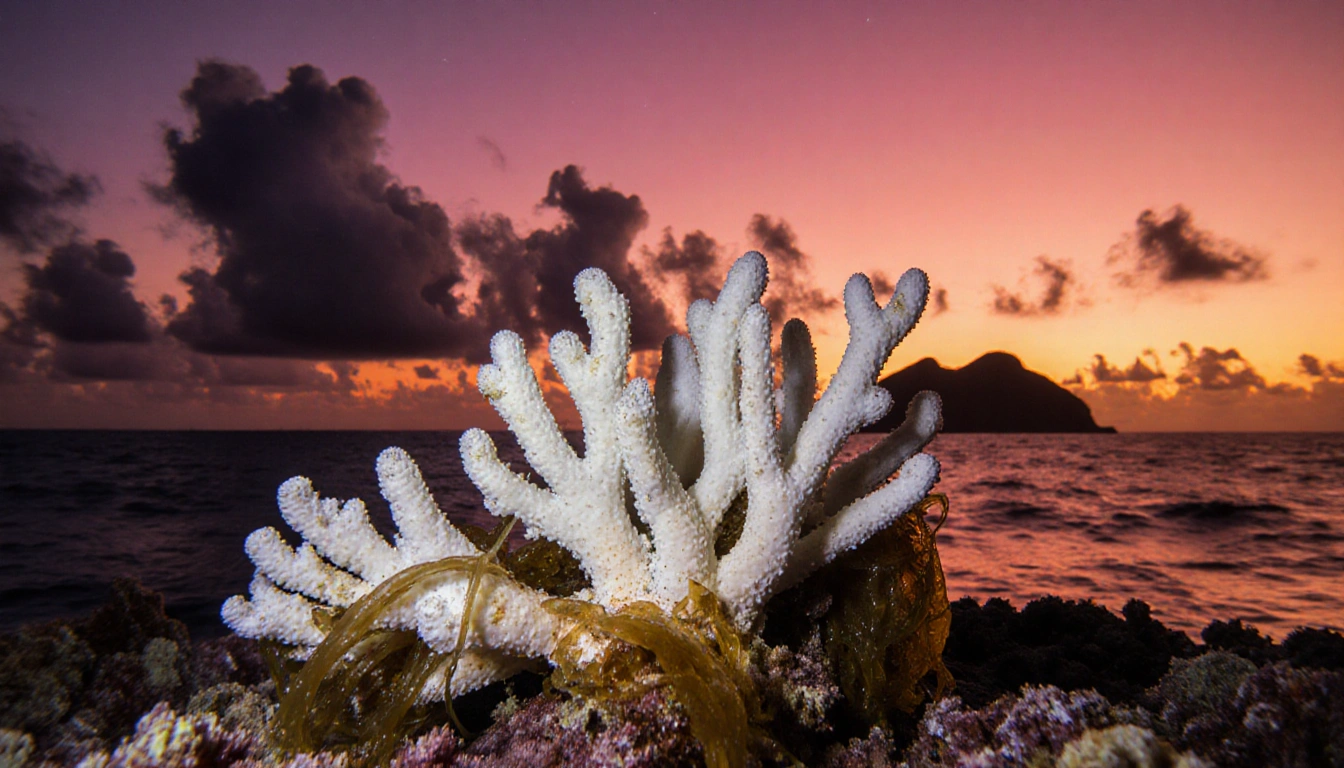
- The Great Barrier Reef has suffered six mass bleaching events in eight years, with 50 % of its hard-coral lost.
- Why it matters: These trends show the planet is sliding toward catastrophic loss of ecosystems that support billions of livelihoods.
Climate change is no longer a distant warning-it’s happening now. Emissions continue to climb, heating the planet, acidifying oceans, and unleashing a cascade of disasters that strain natural systems and human societies alike.
Rising Emissions and Their Immediate Effects
The latest data show that 2024 added more greenhouse gases to the atmosphere than any year before it. The increase from 2023 was modest-0.8 %-yet it signals a persistent upward trend that science warned should have reversed by 2020.
These emissions fuel several climate hazards:
- Heat waves and wildfires
- Flooding and droughts
- Intensifying storms
While some communities recover after these events, many natural systems-especially tropical coral reefs-are experiencing permanent decline.
Coral Reefs: The First Ecosystems at Risk
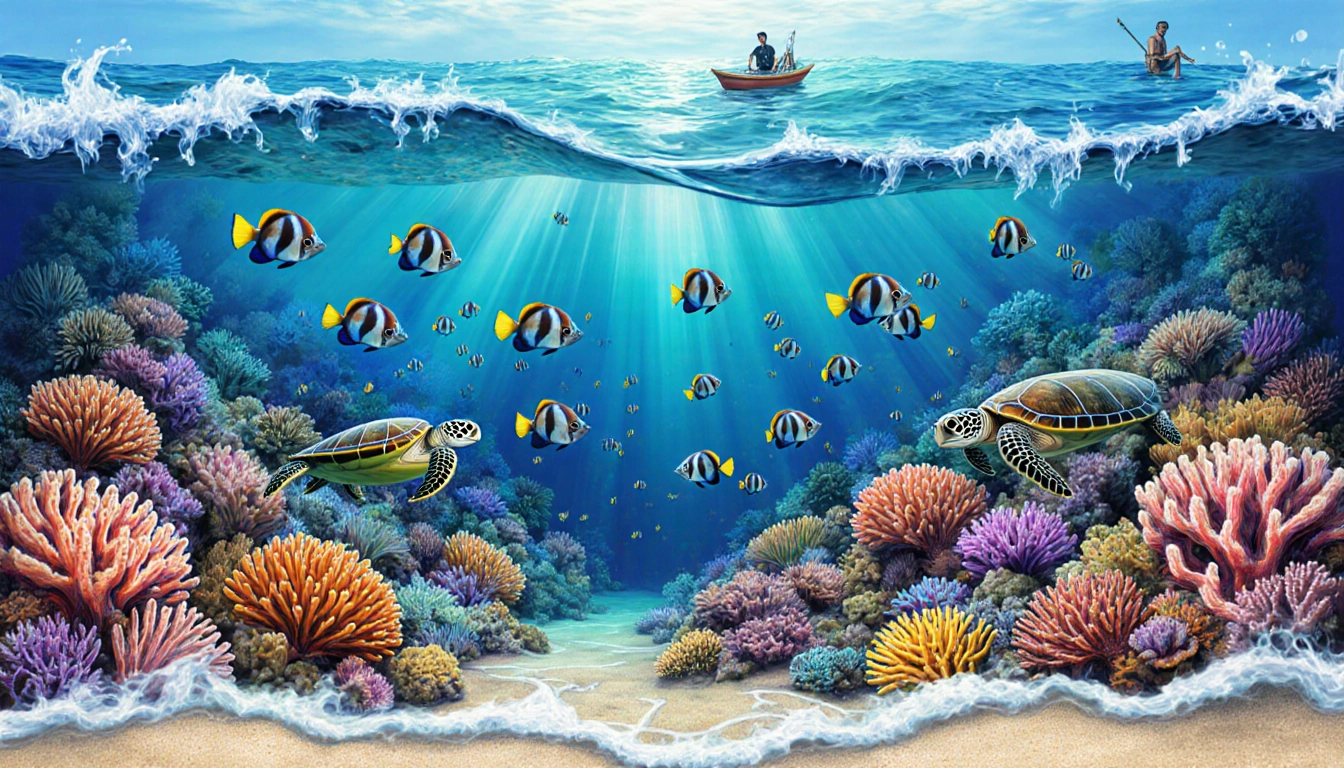
Tropical coral reefs are often called the rainforests of the ocean. They support unparalleled biodiversity, provide food and income for over 400 million people, and protect coastlines from storms and erosion.
The Great Barrier Reef, the world’s largest reef, has faced repeated bleaching crises:
| Year | Great Barrier Reef Bleaching |
|---|---|
| 2016 | Yes |
| 2017 | Yes |
| 2020 | Yes |
| 2022 | Yes |
| 2024 | Yes |
| 2025 | Yes |
Recent science estimates that 50 % of the reef’s hard-coral has disappeared, leaving a fragile, algae-dominated ecosystem. In 2026, an anticipated El Niño cycle will likely trigger another mass bleaching event, pushing the reef closer to a point of no return.
The reef’s decline also puts Australia in a spotlight. The country is vying to host the 2026 UN climate negotiations, and the reef’s fate underscores the urgency of global action.
Global Boundaries Exceeded and the Call for Immediate Action
Research from the Potsdam Institute for Climate Impact Research shows that six of nine planetary boundaries have already been crossed. To avert further collapse, the world must reduce fossil-fuel emissions by over 5 % per year and reach net zero by 2050.
But emissions cuts alone are insufficient. The global food system must shift from a carbon source to a carbon sink, and by 2050 we must permanently remove more than 5 billion tons of CO₂ each year through a mix of technologies.
Even under an ideal future where emissions are curtailed, the reefs could still be lost. They serve as the canary in the coal mine for the climate crisis, and the best chance to preserve them is to act now with all available resources.
Key Takeaways
- 2024’s emissions set a new record, continuing a troubling trend.
- The Great Barrier Reef has lost half its hard-coral and faces another bleaching event in 2026.
- Six of nine planetary boundaries are already exceeded; a 5 % annual emissions cut is required to reach net zero by 2050.
The planet’s tipping points are within reach, and the loss of coral reefs would ripple through ecosystems, economies, and communities worldwide. Immediate, coordinated action is not optional-it is essential.