At a Glance
- US dollar’s share of global trade drops from 33% in 2000 to 25% today.
- Emerging economies settle trade in local currencies, bypassing SWIFT.
- By 2026, new payment systems like mBridge and BRICS Pay could challenge dollar dominance.
- Why it matters: Global finance may shift to alternative settlement rails, affecting trade, reserves, and market liquidity.
The year 2026 could mark the tipping point for the US dollar’s long-held dominance in global trade and finance. As countries increasingly use local currencies and new digital payment platforms, the dollar’s role as the world’s reserve currency is under pressure.
Dollar’s Reserves and Fiscal Pressure
The dollar once commanded 72% of global reserves in 1999, but that share has slipped to 58% today. Rising US fiscal deficits-projected at $1.9 trillion in 2025-and a widening current-account gap of 6% of GDP add weight to the decline. The over-issuance of money to finance spending further erodes confidence.
New Settlement Networks
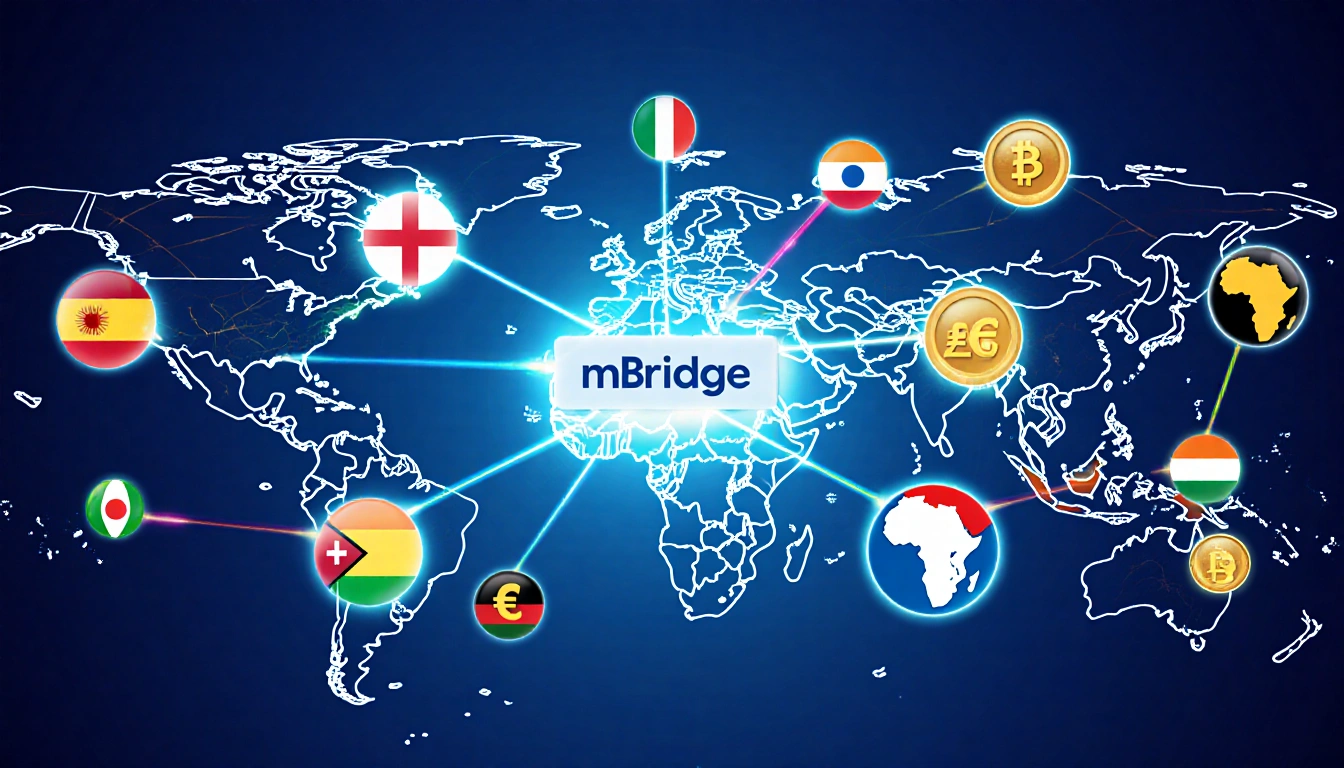
Emerging markets are building alternatives that let them trade without relying on dollar-based channels. Projects such as mBridge-an instant cross-border system for digital currencies-bring together central banks from China, Hong Kong, Thailand, and the UAE. BRICS Pay would allow Brazil, Russia, India, China, South Africa, and new members to transact directly in their own currencies.
| Metric | 1999 | 2023 |
|---|---|---|
| Dollar Reserve Share | 72% | 58% |
| Global Trade Share | 33% | 25% |
Stablecoins are emerging as a key competitor to the dollar’s plumbing. Some are pegged to the US dollar, reinforcing its role, while others-like RMB-linked or commodity-backed stablecoins-could become neutral settlement rails. China, for example, is poised to deploy RMB-linked stablecoins through Hong Kong, the Gulf, and Southeast Asia.
Key Takeaways
- The dollar’s share of global trade and reserves has fallen sharply since 2000.
- Fiscal deficits and monetary expansion are eroding confidence in the greenback.
- Emerging payment systems and stablecoins may reduce global dependence on dollar-based channels.
The shift toward alternative settlement rails could reshape global finance, making trade faster, cheaper, and less dependent on US dollar liquidity.