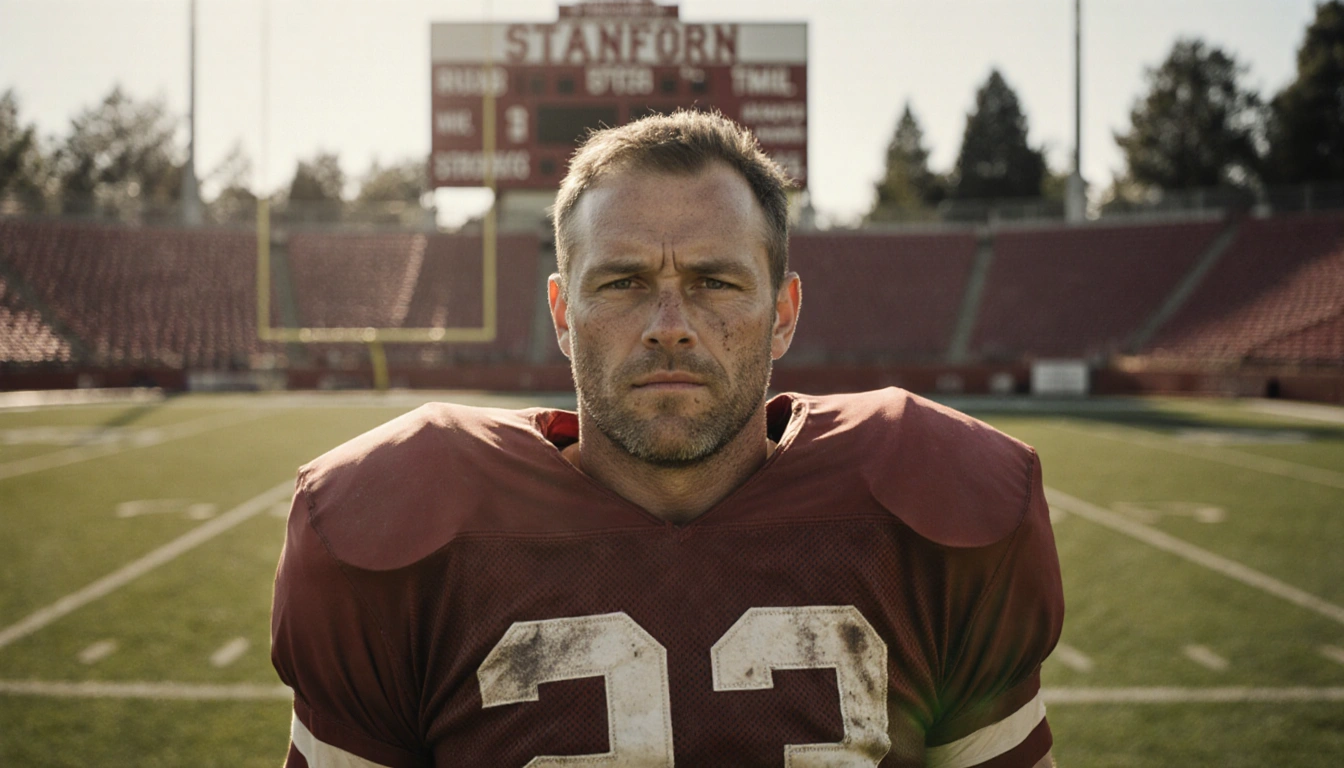
Paul Wiggin, the former Stanford defensive tackle and long‑time NFL veteran, passed away at 91, leaving a legacy that spanned both college and professional football.
A Life on the Field
Wiggin played for Stanford from 1954 to 1956. He earned two All‑America selections as a defensive tackle and was chosen as the school’s Defensive Player of the Century in fan voting.
The Play and a Legendary Game
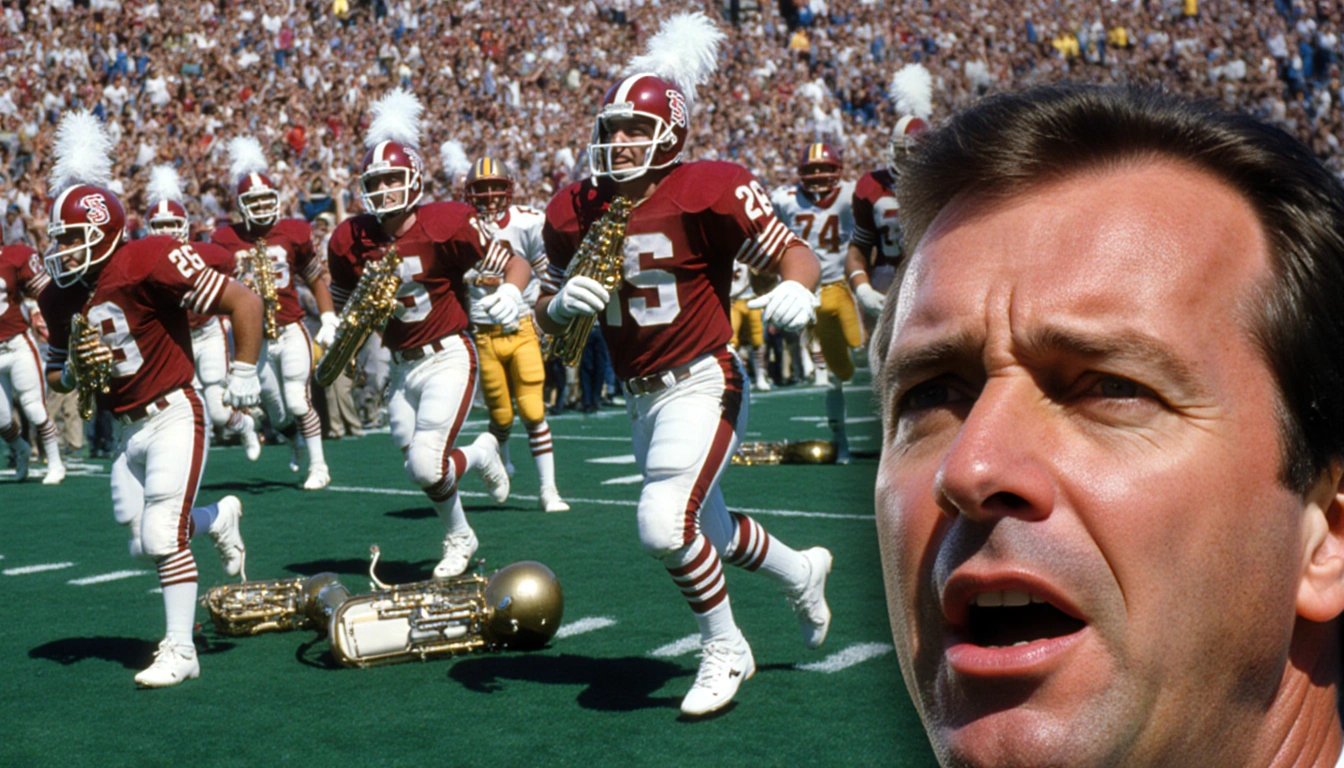
On October 18, 1982, Wiggin was on the Stanford sideline when California scored the winning touchdown in a 25‑20 victory over Stanford in the “Big Game.” The win came after Stanford’s band prematurely took the field, an event that many consider the most incredible finish to a college football game. Wiggin reflected on the moment, saying, ”I think it’s tragic that a Cal‑Stanford game had to come down to this,” he said at the time. ”In our hearts and our minds, we won the game. We know we won the game.”
NFL Career and Achievements
Drafted in the fourth round by the Cleveland Browns in 1957, Wiggin spent his entire 11‑year NFL career with the franchise. He never missed a game, earned two Pro Bowl selections, and helped the Browns win the 1964 NFL title.
Coaching and Leadership
After retiring as a player, Wiggin joined the San Francisco 49ers as an assistant from 1968 to 1974. He became the head coach of the Kansas City Chiefs in 1975, replacing Hall‑of‑Fame coach Hank Stram. Wiggin’s Chiefs record was 11‑24, and he was fired during the 1977 season. He then served as defensive coordinator for the New Orleans Saints for two years before returning to Stanford as head coach in 1980.
Wiggin joined the Minnesota Vikings as defensive line coach from 1985 to 1991. He later held various front‑office positions with the organization, contributing to the team for nearly four decades.
Legacy and Recognition
Wiggin’s death was announced by the Browns, the Vikings, and the National Football Foundation. He was the fourth‑oldest living NFF Hall of Famer. In a statement, NFF Chairman Archie Manning said, ”Paul Wiggin represented everything the NFF College Football Hall of Fame aspires to honor, specifically excellence on the field, leadership on the sidelines, and a lifelong commitment to the game. His impact on college football spanned generations, and he leaves behind a legacy that will long be remembered. We are deeply saddened to learn of his passing.”
Key Takeaways
- Paul Wiggin died at 91 after a storied career in college and professional football.
- He was part of the 1964 Browns championship team and a key figure in the 1982 “Play” moment.
- Wiggin’s coaching career spanned multiple NFL franchises and a return to Stanford.
Paul Wiggin’s life and career exemplify dedication to the sport, leaving a lasting impact that will be remembered by fans, teammates, and the broader football community.