At a Glance
- AlphaFold turns five, predicting over 200 million protein structures.
- AlphaFold 3 expands AI to DNA, RNA, and drug design.
- DeepMind launches an AI co-scientist that debates hypotheses.
- Why it matters: AI is now a global research partner, accelerating discoveries in biology and medicine.
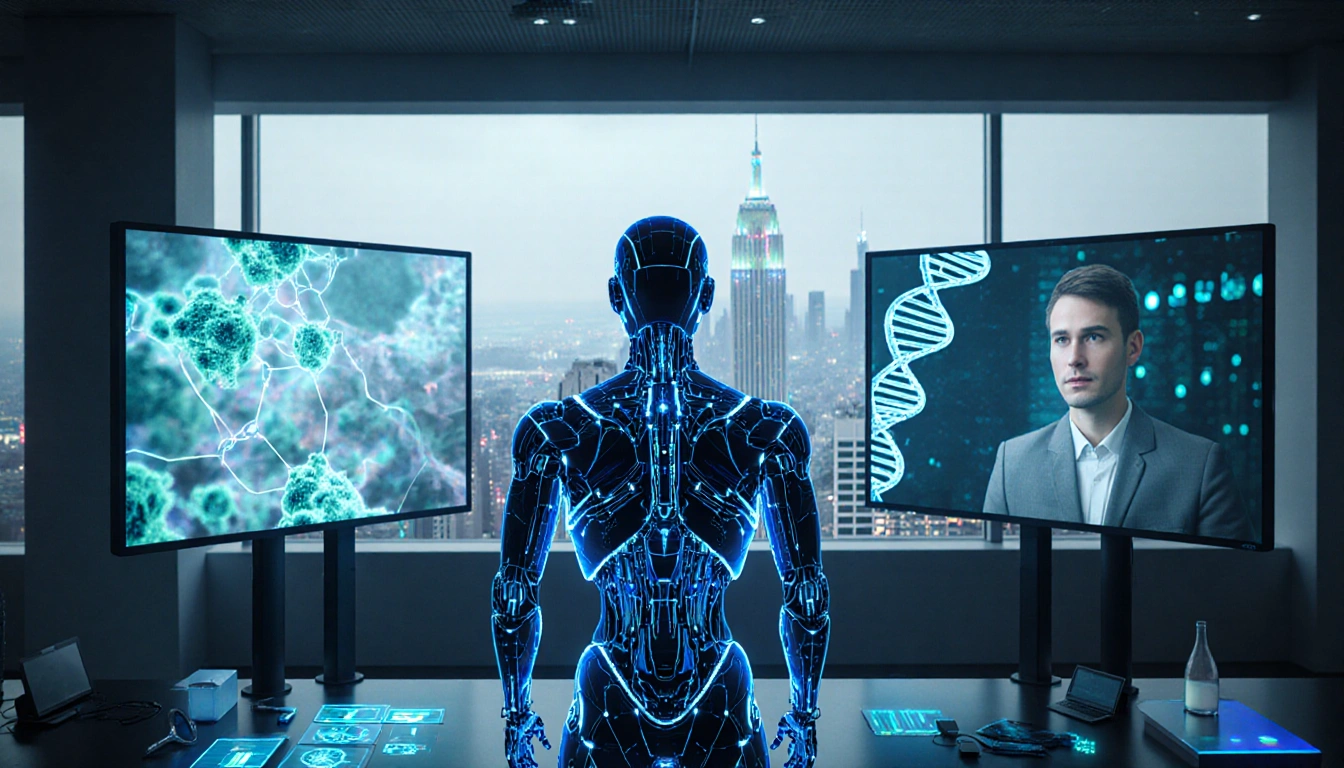
In November 2020, DeepMind unveiled AlphaFold 2, a machine-learning system that can predict protein structures with atomic precision. Five years later, the technology has grown into DNA, RNA, and drug design, and the company is turning AI into a collaborative research partner.
From Go to Genes
AlphaFold’s journey began with the game of Go, where DeepMind proved neural networks could master complex systems. Pushmeet Kohli, VP of research, explains that the same techniques were applied to protein folding, a problem that could unlock breakthroughs across biology and medicine. The result was AlphaFold 2, which earned a Nobel Prize in Chemistry in 2021.
- 200 million predicted structures in the public database
- Used by 3.5 million researchers in 190 countries
- 40 000 citations of the 2021 Nature paper
Hallucinations and Verification
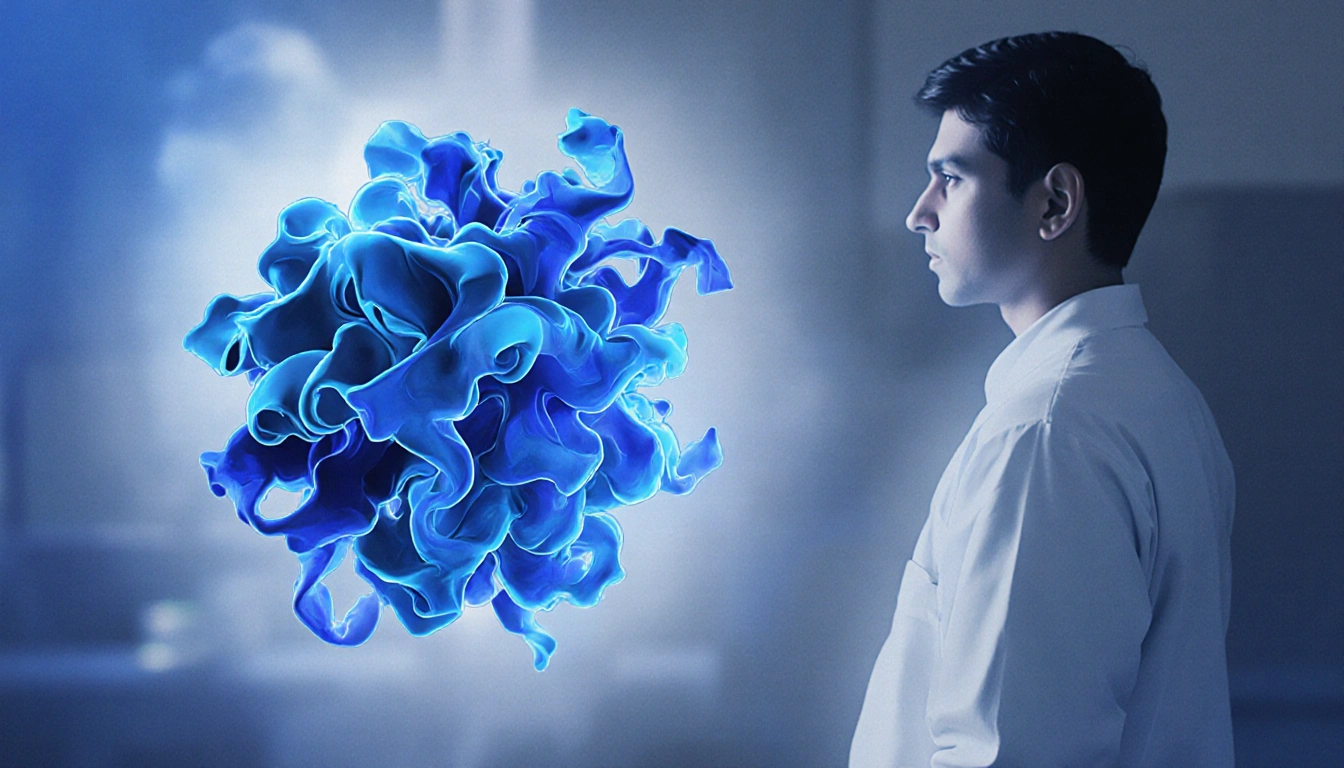
AlphaFold 3 uses diffusion models that are more generative, raising concerns about “structural hallucinations” in disordered protein regions. Kohli says:
Pushmeet Kohli stated:
> “We still pair creative generation with rigorous verification.”
He adds:
> “We’ve built in confidence scores that signal when predictions might be less reliable, which is especially important for intrinsically disordered proteins.”
| Version | Focus | Key Feature |
|---|---|---|
| AlphaFold 2 | Protein folding | Atomic-accuracy predictions |
| AlphaFold 3 | DNA, RNA, drugs | Diffusion models, hallucination control |
AI Co-Scientist
DeepMind’s new “AI co-scientist” is built on Gemini 2.0, a multi-agent system that generates, debates, and critiques hypotheses. The system acts as a virtual collaborator, helping scientists identify research gaps and design experiments.
- Rapid literature analysis
- Hypothesis generation and debate
- Experimental approach suggestions
Imperial College researchers used the co-scientist to study “pirate phages” that hijack bacteria, uncovering new mechanisms that could combat drug-resistant infections. The AI produced a hypothesis that matched the team’s experimental findings, speeding up the discovery cycle.
Future Goals
Kohli envisions simulating an entire cell as a major milestone. He outlines a stepwise approach:
- Understand the nucleus: when genetic code is read and signaling molecules produced
- Expand from inside-out to full cellular simulation
- Translate computational predictions into personalized treatments
He notes that while simulating a cell is still several years away, the groundwork is being laid now.
Key Takeaways
- AlphaFold has built a database of over 200 million protein structures, used globally.
- AlphaFold 3 extends AI to DNA, RNA, and drug design, with built-in hallucination controls.
- The AI co-scientist collaborates with researchers, accelerating hypothesis generation and experimentation.
The evolution of AlphaFold shows how AI can become a trusted partner in scientific discovery, reshaping the pace of breakthroughs across biology and medicine.