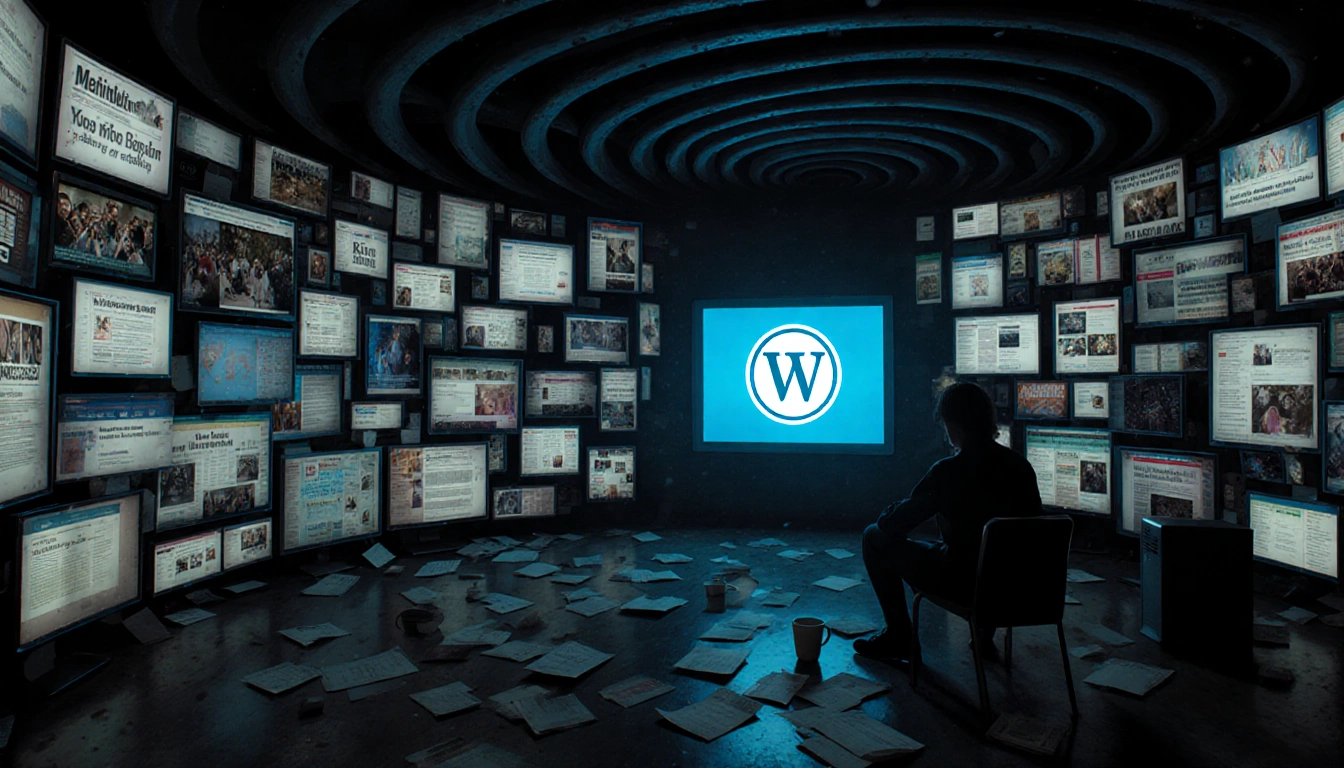
Merriam‑Webster’s 2025 word of the year is a term that has become a shorthand for the flood of low‑quality digital content produced by artificial intelligence.
What Is “Slop”?
The word “slop” has a long history. First used in the 1700s to describe soft mud, it later broadened to mean something of little value. Today the dictionary defines it as “digital content of low quality that is produced usually in quantity by means of artificial intelligence.”
Greg Barlow, president of Merriam‑Webster, explained the choice in an exclusive interview with The Associated Press ahead of Monday’s announcement:
> “It’s such an illustrative word. It’s part of a transformative technology, AI, and it’s something that people have found fascinating, annoying and a little bit ridiculous.”
Barlow added that the definition now covers “absurd videos, weird advertising images, cheesy propaganda, fake news that looks real, junky AI‑written digital books.”
AI Video Generators and the Rise of Slop
Tools such as Sora can generate realistic video clips from simple text prompts. While the technology is impressive, the sheer volume of AI‑generated images on social media has raised concerns about misinformation, deepfakes, and copyright infringement. Clips featuring celebrities and deceased public figures are especially problematic.
The phenomenon is not new, but the accessibility of the tools has made it easier for anyone to create slop. Political actors have also taken advantage of it.
The Pentagon’s Use of Slop
Last month, Defense Secretary Pete Hegseth posted a manipulated image of a beloved cartoon turtle, reimagined as a grenade‑wielding fighter, to defend U.S. military actions in Venezuela. The image turned the 6‑year‑old main character of the Canadian animated show “Franklin” into a violent propaganda tool. Hegseth’s post exemplified how slop can be used to shape public opinion.
The Dictionary’s Selection Process
To pick its word of the year, Merriam‑Webster’s editors review data on search frequency and usage. They then reach a consensus on the term that best reflects the year’s linguistic landscape.
“We like to think that we are a mirror for people,” Barlow said. “We look at words that have risen in search results and usage.”
The dictionary has chosen one word each year since 2003. In 2024, the word was “polarization,” chosen shortly after the U.S. presidential election and amid a shifting national mood.
A fresh edition released last month added over 5,000 new words—a rare step that involves fully revising and reimagining one of its most popular dictionaries.
Other Words in the 2025 Top List
Merriam‑Webster also highlighted several other words that captured public attention:
- 6‑7 – An inside joke that exploded over the summer, linked to rapper Skrilla’s 2024 song “Doot Doot (6 7).” Barlow described it as “self‑referential” and “all the rage” but not a defining term.
- Performative – Used online to describe a disingenuous person who pretends to like things women enjoy, or influencers posting surface‑level “kindness content.” The term also applies to political grandstanding.
- Gerrymander – A long‑standing U.S. issue. President Donald Trump has urged maps to be redrawn before the 2026 midterm elections, prompting GOP moves in Texas and Indiana, and a counter effort in Democrat‑led California.
- Touch grass – Defined as “to participate in normal activities in the real world especially as opposed to online experiences.” It was a serious contender for word of the year because it describes the desire to break from digital addiction.
- Conclave – Refers to the centuries‑old election of a pope. The term gained attention when Pope Leo XIV became history’s first American pope in May 2025.
- Tariffs – Originally from Italian and Arabic meaning “free of charge,” the word entered English centuries ago. Trump’s tariffs are said to protect American industries, but they account for less than 4% of federal revenue and have done little to reduce the $1.8 trillion budget deficit in fiscal 2025.
- Lake Chargoggagoggmanchauggagoggchaubunagungamaugg – The longest place name in the United States, it appeared on Merriam‑Webster’s Top Lookups list. Known as Webster Lake in New England, the name also shows up in the Roblox game Spelling Bee!.
Why “Slop” Matters
Barlow said the spike in searches for “slop” indicates that people are increasingly aware of fake or shoddy content and desire genuine information. He described the word as “almost a defiant word when it comes to AI. When it comes to replacing human creativity, sometimes AI actually doesn’t seem so intelligent.”
The choice reflects a broader conversation about the impact of AI on culture, politics, and everyday life. As tools become more powerful, the line between authentic and fabricated content blurs, making the public’s vigilance more important than ever.
Key Takeaways
- Merriam‑Webster’s 2025 word of the year is “slop,” highlighting the rise of low‑quality AI‑generated content.
- The word’s definition now includes absurd videos, fake news, and AI‑written books.
- Defense Secretary Pete Hegseth’s manipulated cartoon image illustrates how slop can be used for political propaganda.
- The dictionary’s selection process relies on search data and consensus among editors.
- Other 2025 words include “6‑7,” “performative,” “gerrymander,” “touch grass,” “conclave,” “tariffs,” and the famously long lake name.
Closing
Merriam‑Webster’s decision to crown “slop” as the 2025 word of the year underscores a growing public sensitivity to the quality of digital content. As AI tools continue to evolve, the need for critical media literacy and a clear distinction between authentic and fabricated information will only grow sharper.
Key Takeaways

- The word “slop” captures the surge of low‑quality AI‑generated content.
- Political misuse of slop demonstrates its potential for propaganda.
- Merriam‑Webster’s selection process reflects public search behavior and cultural relevance.
The dictionary’s choice serves as a linguistic mirror, reflecting society’s grappling with the promises and pitfalls of artificial intelligence.