At a Glance
- Yannick Nézet-Séguin replaced a banned Russian conductor at Carnegie Hall in 2022.
- He secured the role as Vienna Philharmonic New Year’s Day conductor after a last-minute switch.
- The journey involved a trans-Atlantic flight and an overnight rehearsal in a Berlin hotel bar.
- Why it matters: A single opportunity reshaped a conductor’s career and preserved a historic orchestra’s tour.
Nézet-Séguin’s path to the Vienna Philharmonic’s New Year’s Day concert began when he stepped in for a banned Russian conductor at New York’s Carnegie Hall in 2022, a move that later led to him conducting the famed Austrian orchestra’s televised waltz concert.
A Last-Minute Replacement
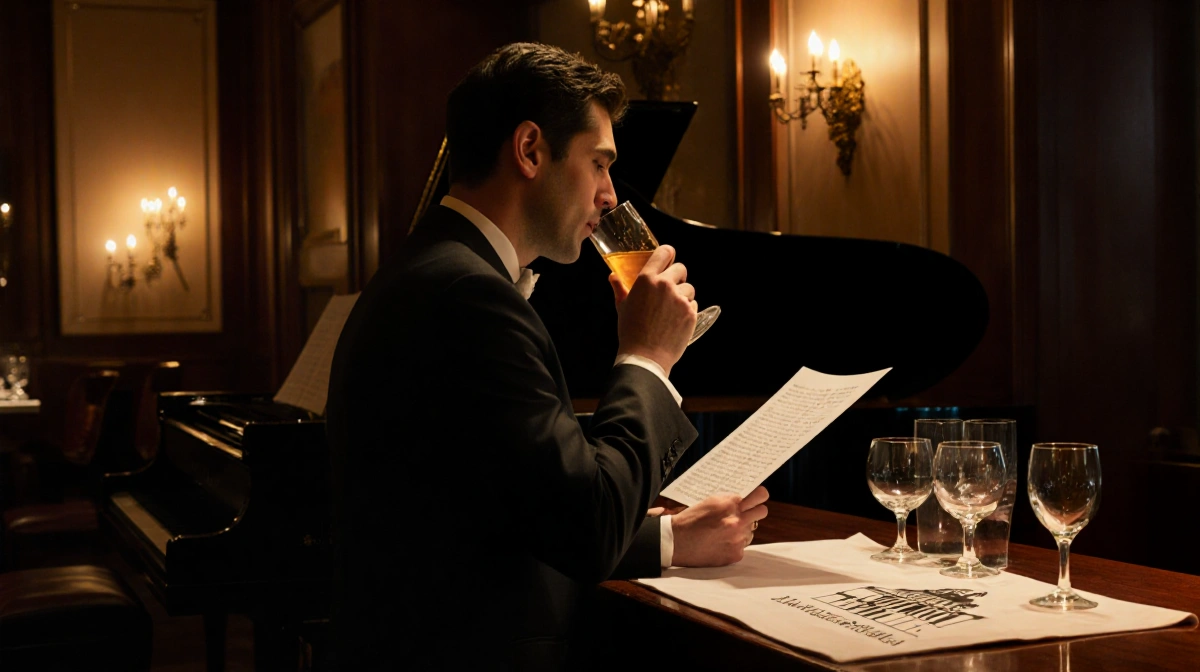
Four days before Valery Gergiev was to lead the Vienna Philharmonic at Carnegie, Nézet-Séguin was walking into the hall to lead his Philadelphia Orchestra when he noticed a wall poster for Vienna’s performance. He thought, “This looks like a Yannick program,” and accepted the engagement.
- The orchestra had just arrived for three concerts in New York starting Feb 25.
- Gergiev and pianist Denis Matsuev, supporters of President Vladimir Putin, were removed.
- Nézet-Séguin agreed to keep the original program, starting with Rachmaninoff’s Piano Concerto No. 2 and Symphony No. 2.
The Berlin Bar Rehearsal
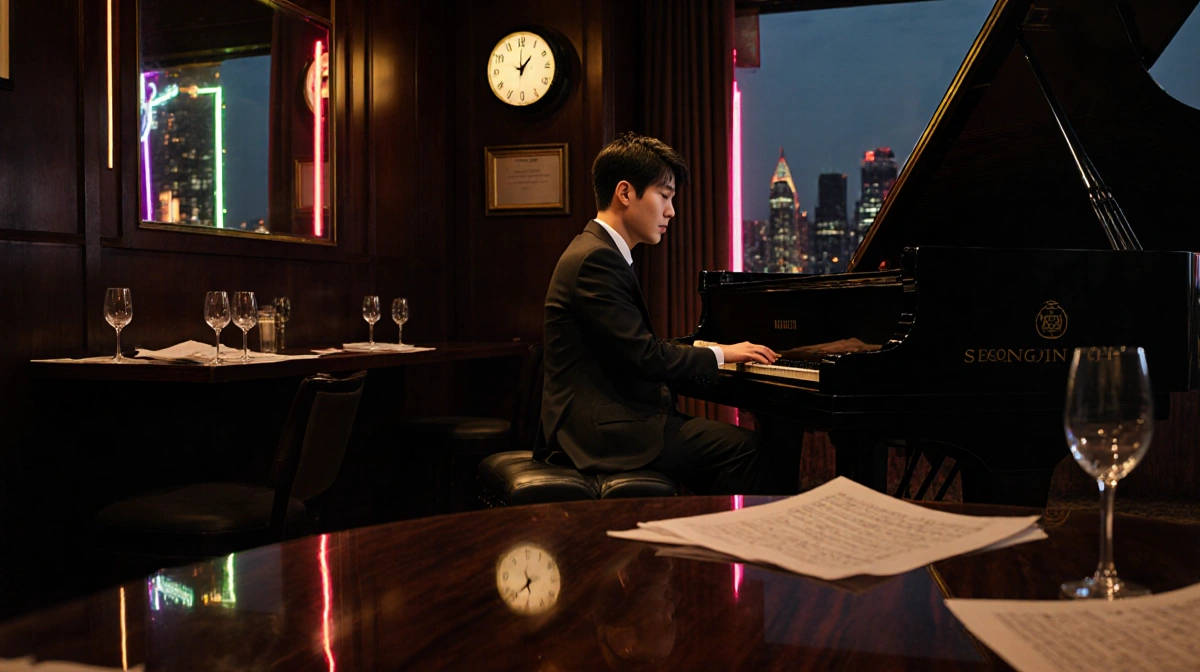
South Korean pianist Seong-Jin Cho, who had agreed to play Rachmaninoff, practiced overnight in the Hotel nhow’s BPM Bar after a coronavirus test. He played until 4 a.m., flew to Frankfurt and then to JFK, arriving at 2 p.m. and heading to Carnegie for a 10-minute rehearsal.
- Cho’s apartment building in Berlin’s Mitte district forbids nighttime performances.
- Label staff arranged for him to play in a hotel bar.
- He played without a score in his Vienna Philharmonic debut, later suffering nosebleeds from stress.
Building the New Relationship
After the concert, violinist Daniel Froschauer praised Nézet-Séguin’s role in saving the tour.
Daniel Froschauer stated:
> “That was kind of us saying thank you, that he helped us to save the tour.”
Daniel Froschauer added:
> “It changed his life and changed our relationship.”
Nézet-Séguin later reflected on the hectic schedule that contributed to his COVID diagnosis.
Yannick Nézet-Séguin remarked:
> “I wouldn’t blame only that part for making me catch COVID, but that certainly contributed, … I don’t regret that this relationship with the Vienna Philharmonic happened this way.”
Yannick Nézet-Séguin also commented on the future of the orchestra:
> “I still pinch myself. I think every young conductor is dreaming at some point to conduct this, but this seems like something that is maybe not reachable because you can’t really apply for such a gig – pardon the expression.”
| Date | Event | Location |
|---|---|---|
| Feb 25 | Vienna Philharmonic arrives for three concerts | New York |
| Feb 28 | Met premiere of Verdi’s Don Carlos | New York |
| Mar 1 | Rehearsal in Naples | Florida |
| Mar 26 | Don Carlos televised worldwide | Global |
Key Takeaways
- Nézet-Séguin’s swift acceptance of the Carnegie Hall replacement secured him the Vienna Philharmonic New Year’s Day role.
- The overnight rehearsal in Berlin’s hotel bar exemplified the demanding logistics behind the tour.
- Quotes from Froschauer and Nézet-Séguin highlight the personal and professional impact of this opportunity.
Nézet-Séguin’s journey from a last-minute Carnegie Hall replacement to conducting the Vienna Philharmonic’s iconic New Year’s Day concert illustrates how a single chance can reshape a career and preserve a cherished musical tradition.