
At a Glance
- USPS will round cash to the nearest nickel if no pennies are in the till
- The policy, effective Dec. 12, 2023, reflects the end of penny production
- A bill to address the national penny shortage was introduced in April and scheduled for the calendar in September
The U.S. stopped minting new pennies in November, ending 232 years of one-cent circulation. Over 300 billion pennies are already hoarded in homes and businesses, making it hard for the coins to re-enter everyday transactions. As a result, many retailers, including the U.S. Postal Service, have begun rounding cash to the nearest nickel.
Rounding Rules
Post offices will round change as follows:
- If change ends in 1, 2, 6, or 7 cents, it is rounded down (e.g., $3.57 becomes $3.55)
- If change ends in 3, 4, 8, or 9 cents, it is rounded up (e.g., $1.28 becomes $1.30)
- If the total is less than 5 cents, it is rounded up to 5 cents unless exact change is available
| Ending | Action |
|---|---|
| 1, 2, 6, 7 | Round down |
| 3, 4, 8, 9 | Round up |
| <5 cents | Round up to 5 cents unless exact change |
USPS will still accept pennies, but customers may receive slightly more or less change than expected.
Legal and Legislative Response
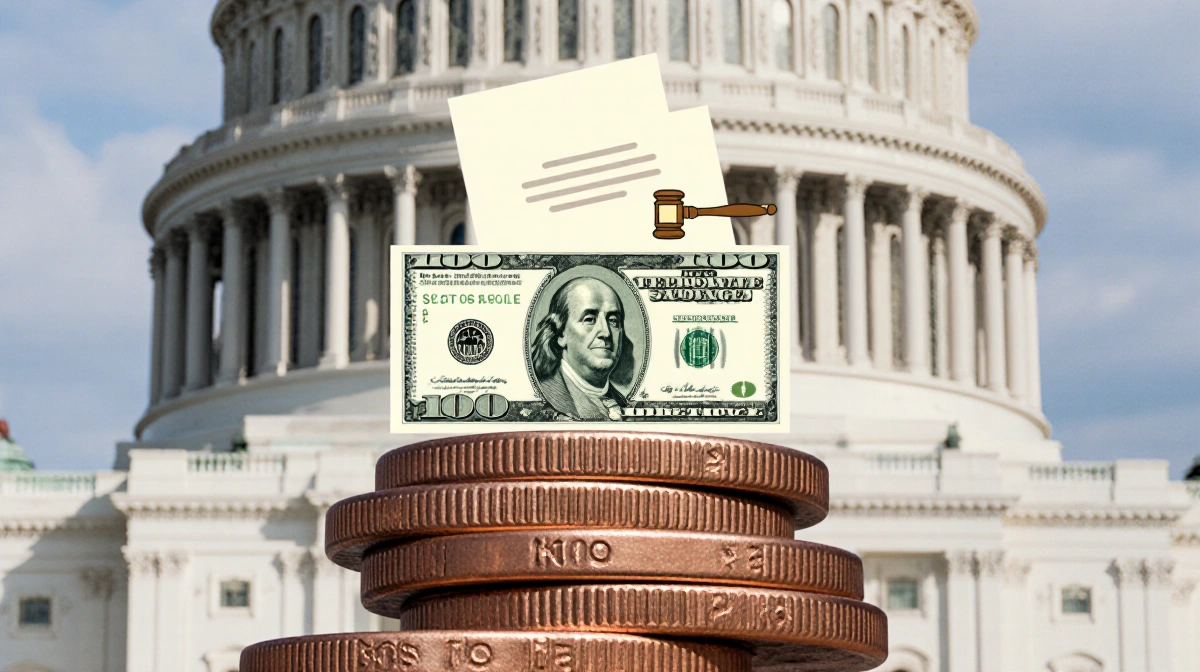
A federal bill introduced in April aims to resolve the national penny shortage, and a revised version was placed on the House Financial Services Committee calendar in September. Legal challenges could arise, and advocates urge Congress to enact a national law.
Key Takeaways
- Post offices will round cash to the nearest nickel when pennies are unavailable
- The new rule takes effect Dec. 12, 2023
- A congressional bill seeks to address the broader penny issue
Paying with cash at the post office may now mean a small change in the amount you receive, but the coins themselves remain legal tender.