At a Glance
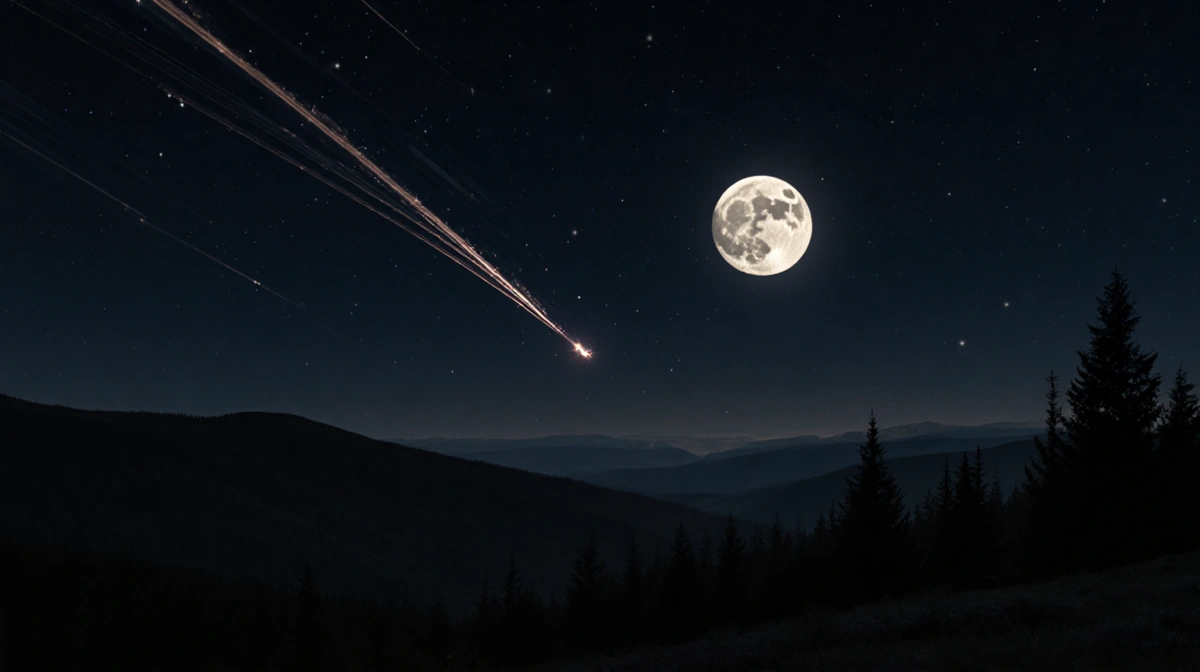
- Supermoon on Saturday will dim Quadrantid meteor shower.
- Expected sightings drop from ~25 to under 10 per hour.
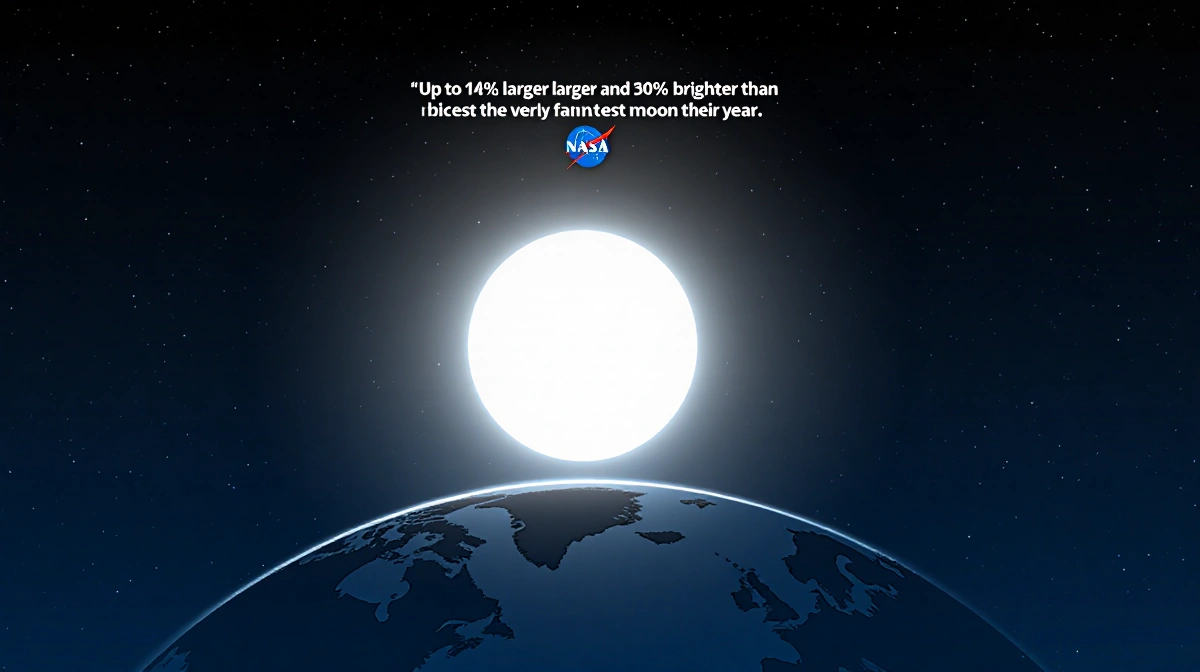
- Bright full moon appears up to 14% larger and 30% brighter.
- Why it matters: Stargazers need to plan viewing times to catch the fireballs.
This January, the skies will host both a supermoon and the Quadrantid meteor shower, but the bright moon will make spotting the fireballs a challenge.
The Meteor Shower
The Quadrantids reach peak activity Friday night into Saturday morning, with typical dark-sky rates of about 25 meteors per hour. Tonight, however, the full moon will reduce visible rates to fewer than 10 per hour.
Mike Shanahan stated:
> “The biggest enemy of enjoying a meteor shower is the full moon.”
The Supermoon
A supermoon occurs when the full moon is closer to Earth, making it up to 14% larger and 30% brighter than the faintest moon of the year, NASA says.
| Metric | Normal Moon | Supermoon |
|---|---|---|
| Apparent Size | 1.0× | 1.14× |
| Brightness | 1.0× | 1.30× |
Viewing Tips
To catch the Quadrantids, head to dark skies before the moon rises and keep your eyes adjusted to the dark.
- Go early evening, away from city lights.
- Don’t look at your phone.
- Consider watching during early dawn hours on Sunday.
- Watch for fast-moving white dots across the sky.
Jacque Benitez advised:
> “To spot the Quadrantids, venture out in the early evening away from city lights and watch for fireballs before the moon crashes the party.”
Key Takeaways
- Supermoon on Saturday will dim the Quadrantid meteor shower.
- Expected sightings fall from ~25 to under 10 per hour.
- Bright full moon is up to 14% larger and 30% brighter.
With the supermoon brightening the night, stargazers will need to act early to see the Quadrantid fireballs.