
At a Glance
- Texas slated to receive $281.3 million for 2026, the largest share of the new rural health fund.
- Alaska follows with $272.7 million annually.
- Rural Texans will get only $60 per resident in a rural county, the lowest rate nationwide.
- Why it matters: The money aims to shore up hospitals, clinics, and staffing in the state’s most underserved communities.
The Trump administration’s Rural Health Transformation Program has announced its first allocation of a $50 billion federal fund, and Texas will receive the largest share. The state’s rural health system faces budget shortfalls, high uninsured rates, and a wave of hospital closures, making the infusion of funds critical.
Funding Overview
The Rural Health Transformation Program, created by the One Big Beautiful Bill Act, will distribute billions over five years. Texas is slated to receive $281.3 million in the first year, about $81 million more than the amount it applied for. Alaska will receive $272.7 million per year, the second-largest allotment.
- Half of the $50 billion will be split equally among states.
- Texas, with the most rural residents, will receive about $60 per resident in a rural county.
- The fund follows a $1 trillion cut to Medicaid.
Impact on Rural Health
The money comes as Texas rural hospitals face a crisis of budget shortfalls and rising costs. More than 60 million Americans in rural areas deserve equal access to quality care, said U.S. Health and Human Services Secretary Robert F. Kennedy Jr.
U.S. Health and Human Services Secretary Robert F. Kennedy Jr. stated:
> “More than 60 million Americans living in rural areas have the right to equal access to quality care.
> This historic investment puts local hospitals, clinics, and health workers in control of their communities’ health care.”
Gov. Greg Abbott added that the investment will strengthen hospitals and expand mental and physical health services.
Gov. Greg Abbott said:
> “Rural Texans across the state will benefit from this historic federal investment.
> We will strengthen our rural hospitals, expand access to critical mental and physical health care, and help reduce chronic disease through wellness and nutrition initiatives.”
- 76 Texas counties have uninsured rates >20%, 60 of which are rural.
- NIH reports higher deaths from cancer, heart disease, respiratory disease, and unintentional injury in rural Texas.
- Indicators of health outcomes are worsening in rural populations.
Use of Funds
The state’s health agency will use the money to strengthen rural clinics by creating wellness and nutrition programs, attracting health professionals, and modernizing technology. It also plans to add more than a thousand new rural health care positions.
- Wellness and nutrition programs for providers.
- Education and recruitment of health professionals to rural areas.
- Modernization of resources and technology in rural centers.
Hospital Closure Risk
The funding may be a lifeline for hospitals on the brink of closure. Erin Clevenger, CEO of Memorial Medical Center in Port Lavaca, said the hospital was close to shutting down.
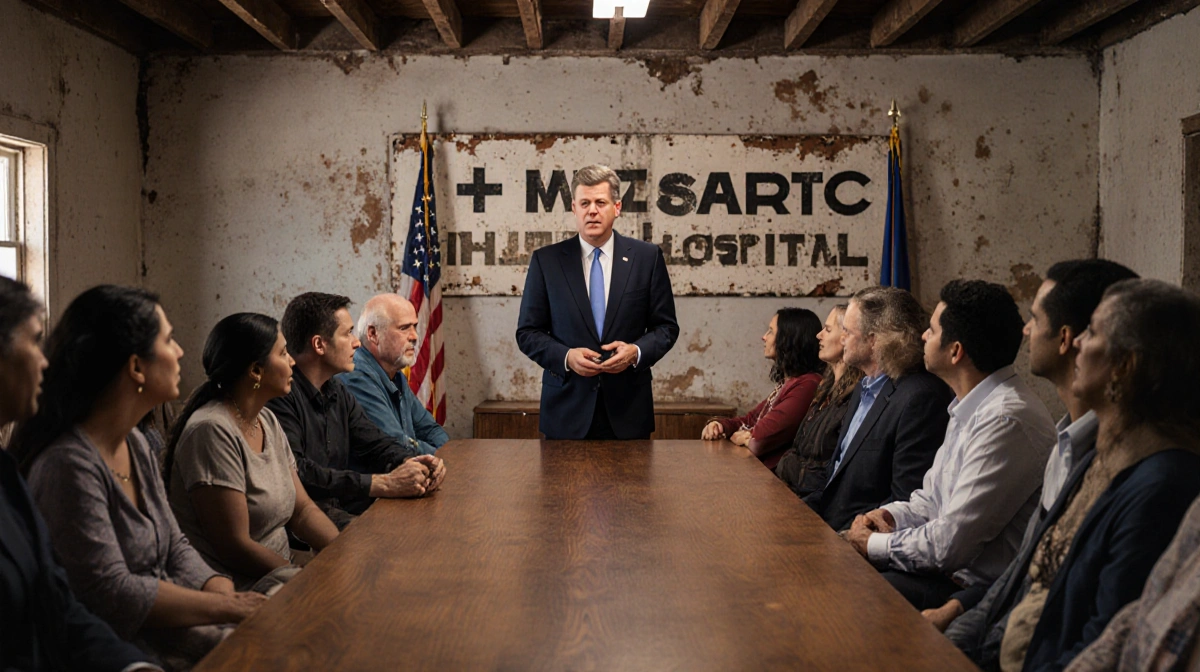
Erin Clevenger said:
> “Every day is a battle to make sure we don’t become one of those statistics.”
Fourteen rural hospitals closed in the last decade, and 82 remaining facilities are at risk of closing, with 21 at immediate risk. Almost 60% of rural Texas hospitals do not offer labor and delivery services, and a dozen obstetrics units were lost between 2010 and 2022, one-fifth of those remaining at risk.
- 14 hospitals closed last decade.
- 82 hospitals at risk.
- 21 hospitals at immediate risk.
- 60% lack delivery services.
- 12 obstetrics units lost 2010-2022.
- 1/5 remaining units at risk.
| State | Annual Funding | Rank |
|---|---|---|
| Texas | $281.3 million | 1 |
| Alaska | $272.7 million | 2 |
Key Takeaways
- Texas receives the largest share of the $50 billion rural health fund.
- Rural residents will receive only $60 per person, the lowest national rate.
- The money aims to add over a thousand new health care positions and keep hospitals open.
With this historic federal investment, Texas aims to reverse the decline of its rural health system and ensure that residents across the state can access quality care.