At a Glance
- Trump delays 30% and 50% tariffs on upholstered furniture, kitchen cabinets, and vanities for a year.
- The 25% tariff on those goods remains in effect.
- The proposed 107% pasta tariff is lowered to a range of 2.26%-13.89%.
Why it matters: Consumers and businesses will see immediate relief from higher import costs, while U.S. trade partners adjust to the new rates.
President Donald Trump signed a New Year’s Eve proclamation that postponed significant tariff hikes on imported furniture and kitchen cabinets, while also easing a steep tariff on Italian pasta. The moves reflect ongoing trade negotiations and the administration’s effort to protect domestic industry.
Tariff Delays on Furniture and Cabinets
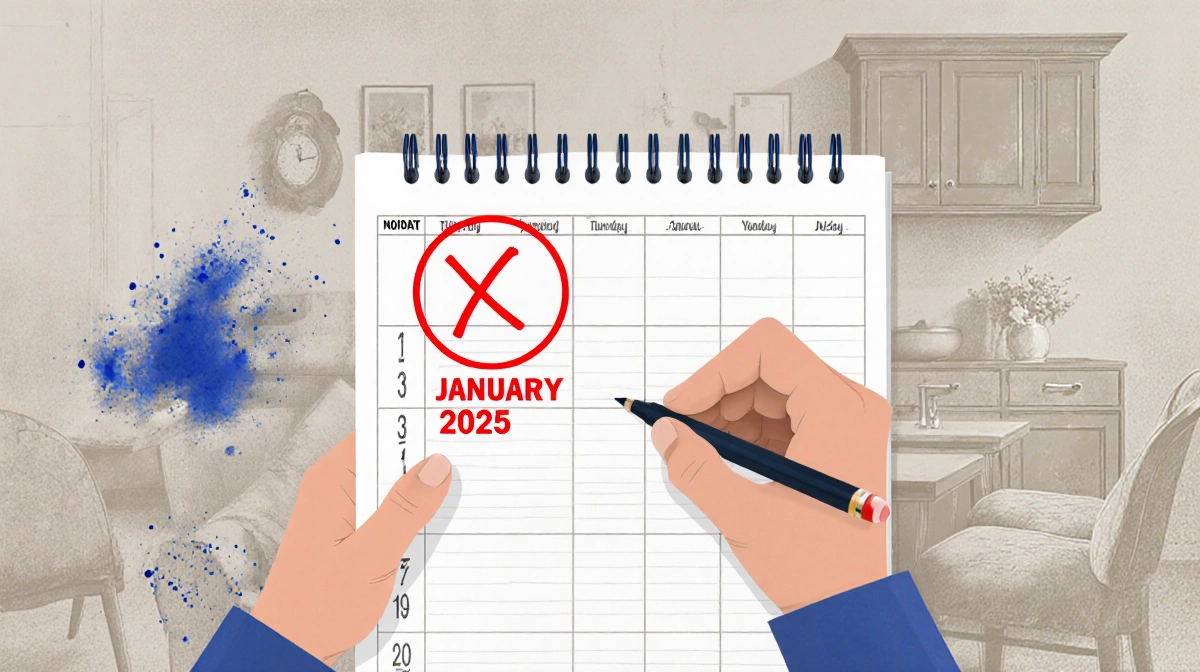
The order keeps the existing 25% tariff on upholstered furniture, kitchen cabinets, and vanities, but pushes back the 30% tariff on upholstered furniture and the 50% tariff on kitchen cabinets and vanities until January 1 2025. This gives importers a full year to adjust and provides a window for trade talks.
- Upholstered furniture: 30% tariff delayed
- Kitchen cabinets and vanities: 50% tariff delayed
- Existing tariff: 25% remains
| Item | Current Tariff | Tariff after Delay |
|---|---|---|
| Upholstered furniture | 30% | 0% (no tariff) |
| Kitchen cabinets & vanities | 50% | 0% (no tariff) |
| Other goods | 25% | 25% (unchanged) |
Pasta Tariff Revision
The administration also announced a reduction in the proposed 107% tariff on Italian pasta, lowering the rate to between 2.26% and 13.89% after a review of the antidumping case. Italian exporters and industry groups welcomed the change, noting that the original tariff would have doubled the cost of a plate of pasta for American consumers.
| Pasta Tariff | Original Proposal | Revised Rate |
|---|---|---|
| Tariff | 107% | 2.26%-13.89% |
Key Takeaways
- Trump delays 30% and 50% tariffs on furniture and cabinets for a year.
- The 25% tariff on those goods stays in effect.
- The pasta tariff is cut from 107% to 2.26%-13.89%.
The proclamations illustrate the administration’s strategy of balancing protectionist measures with diplomatic flexibility in trade negotiations.