At a Glance
- Six people died in Iran’s growing protests, the first fatalities among security forces and demonstrators.
- Deaths occurred in rural Lur-majority cities such as Azna, Lordegan, and Kouhdasht.
- The unrest is driven by economic hardship, a steep currency fall, and anger at the theocracy.
- Why it matters: These killings could prompt a tougher crackdown and signal a shift in how Tehran handles dissent.
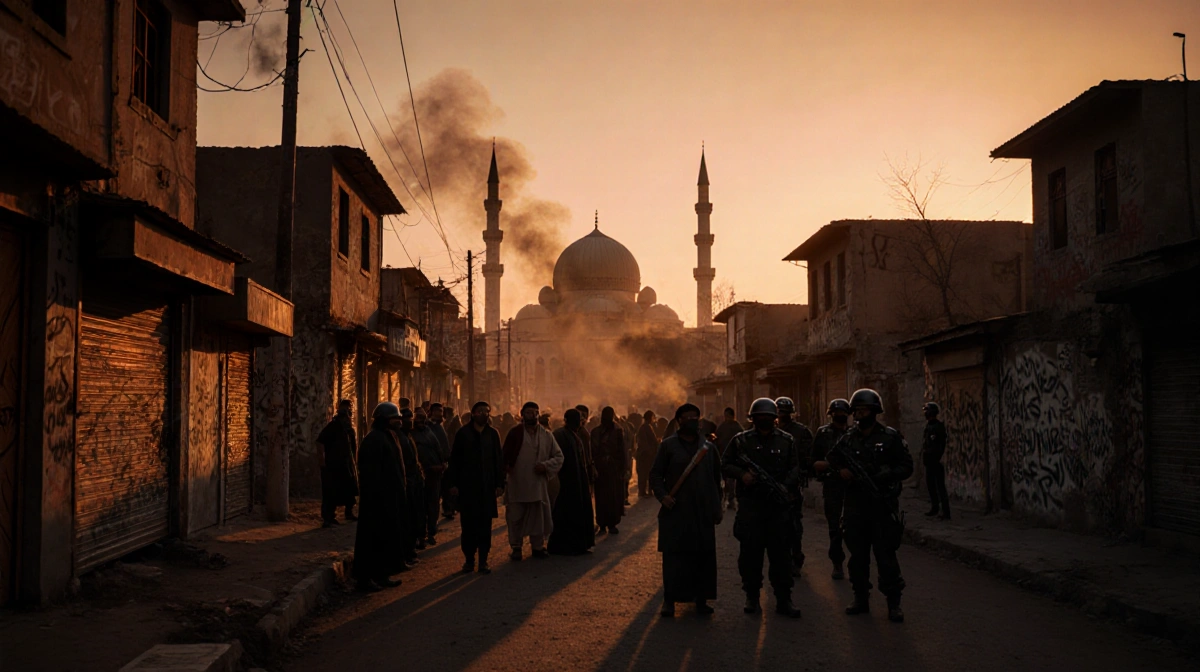
The protests that began in Tehran have spread across Iran’s countryside, where economic strain and a collapsing rial have inflamed public anger. The first deaths-one on Wednesday and five on Thursday-were reported in Lur-dominant cities. Authorities say the violence may lead to a heavier-handed response.
Fatalities and Violence
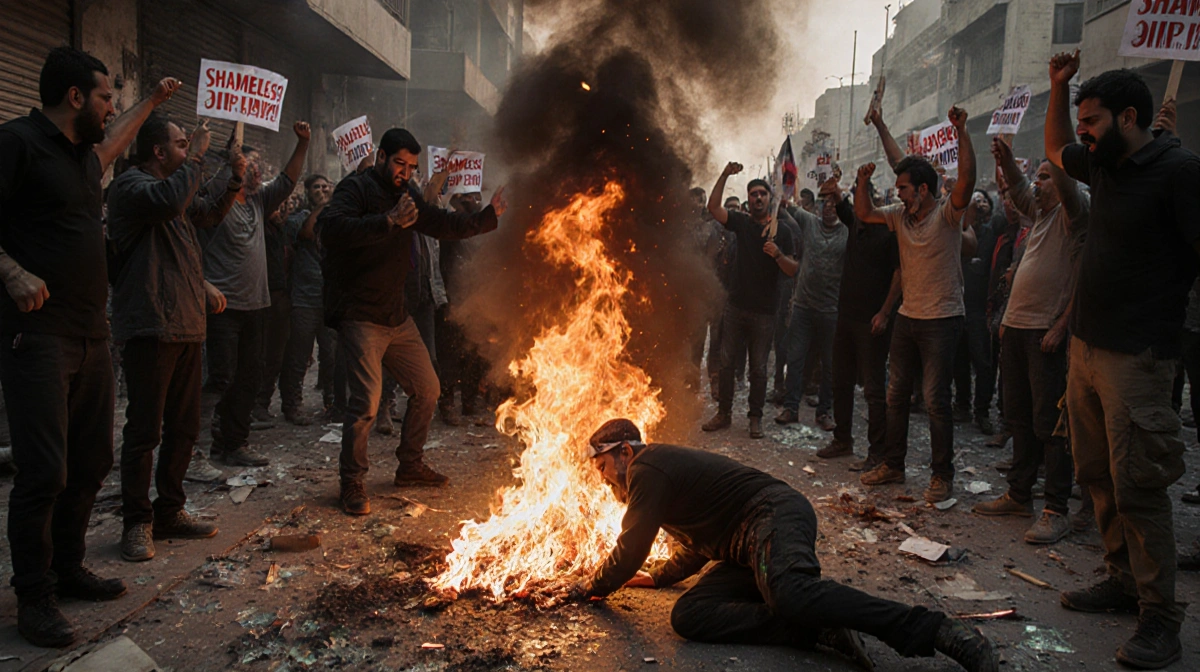
In Azna, videos show street fires and gunfire as crowds shouted “Shameless!” Three people were reported killed, according to the semiofficial Fars news agency. In Lordegan, footage of demonstrators and gunfire matched the city’s layout; an anonymous official cited by Fars said two people died. A Basij member was also killed in a protest in Kouhdasht.
Saeed Pourali, deputy governor in Lorestan, said:
> “The protests that have occurred are due to economic pressures, inflation and currency fluctuations, and are an expression of livelihood concerns. The voices of citizens must be heard carefully and tactfully, but people must not allow their demands to be strained by profit-seeking individuals.”
Government Response and Arrests
Kouhdasht’s local prosecutor, Kazem Nazari, reported 20 arrests after the protests and that calm had returned. IRNA noted seven arrests, including five labeled monarchists and two linked to European groups. State TV said security forces seized 100 smuggled pistols.
Masoud Pezeshkian acknowledged the rial’s rapid depreciation-$1 now costs about 1.4 million rials-limiting the government’s ability to negotiate.
Economic Drivers and Currency Collapse
The rial’s fall has been a key driver of the unrest. Protesters chant against the theocracy while demanding economic relief. The protests have slowed in Tehran but intensified in rural provinces.
Broader Context and International Ties
Iran’s theocracy declared a public holiday amid cold weather, perhaps to disperse crowds from the capital. The country remains reeling from a 12-day war with Israel in June and U.S. bombings of nuclear sites. Iran says it no longer enriches uranium, hoping to ease sanctions.
Key Takeaways
- Six people died in Iran’s protests, signaling a potential shift in government response.
- The rial’s collapse-$1 ≈ 1.4 million rials-has fueled economic anger.
- Authorities have arrested dozens and seized weapons, indicating a crackdown.
The killings mark a turning point in Iran’s protest cycle, with the government poised to intensify its response amid economic turmoil and international pressure.