At a Glance
- President Trump vetoed two bipartisan bills this week.
- The bills targeted a Colorado water project and Florida Everglades tribal management.
- Rep. Lauren Boebert and the Miccosukee tribe criticized the vetoes.
- Why it matters: The vetoes highlight a clash between federal spending priorities and local projects.
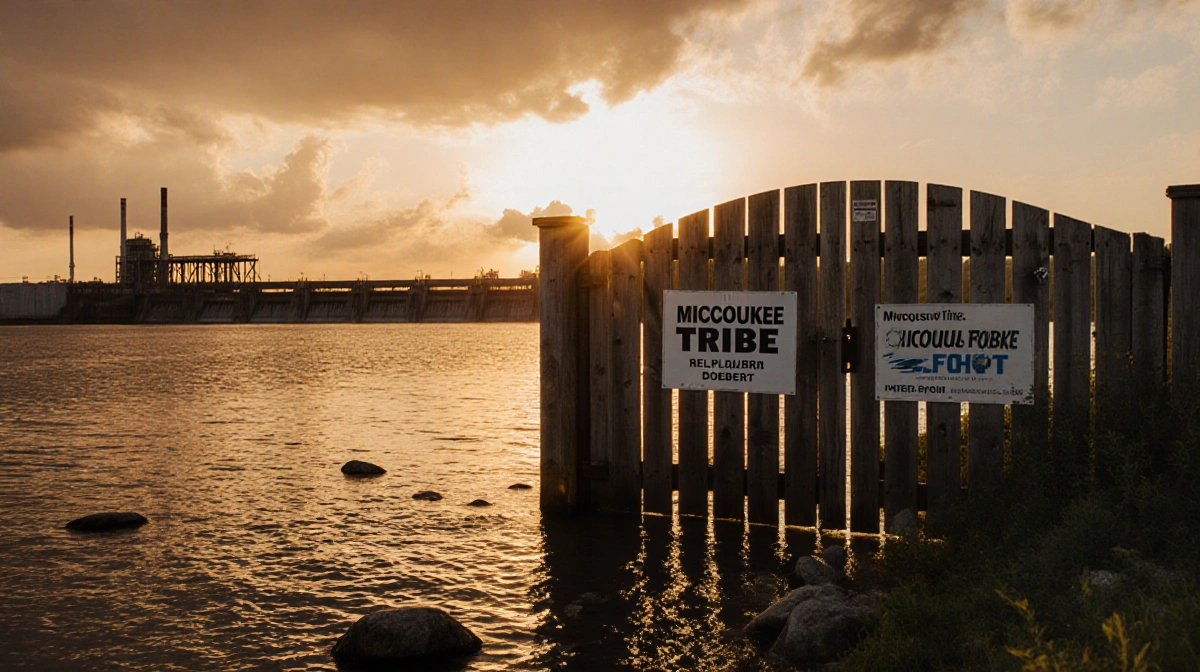
President Trump’s two vetoes this week-his first in his second term-cut short bipartisan efforts to complete the Arkansas Valley Conduit water project in southeastern Colorado and to grant the Miccosukee tribe authority over part of the Florida Everglades. The moves drew sharp criticism from Rep. Lauren Boebert and Miccosukee Chair Talbert Cypress.
Trump’s Vetoes Target Water and Tribal Bills
The House passed H.R. 131 and the Senate approved the same measure by voice vote, while the Miccosukee bill passed the Senate by unanimous consent. Trump vetoed both, citing cost and immigration concerns.
Reactions from Rep. Boebert and the Miccosukee Tribe
Rep. Lauren Boebert stated:
> “President Trump decided to veto a completely non-controversial, bipartisan bill that passed both the House and Senate unanimously. If this administration wants to make its legacy blocking projects that deliver water to rural Americans; that’s on them.”
She added:
> “I hope this veto has nothing to do with political retaliation for calling out corruption and demanding accountability. Americans deserve leadership that puts people over politics.”
Boebert also posted “this isn’t over” on X.
Miccosukee Chair Talbert Cypress wrote:
> “The tribe has a constitutional duty to protect and defend the Everglades ecosystem and has never sought to obstruct the President’s immigration agenda. Instead, we have taken action to ensure sufficient environmental due diligence is performed to protect federal restoration investments.”
He was disappointed the veto removed a measure meant to mitigate restoration impacts on the historic Osceola Camp community.
White House Justifications
The White House argued the water bill would force federal taxpayers to shoulder the massive costs of a project meant to be paid for by local users. Trump said:
> “Enough is enough. My Administration is committed to preventing American taxpayers from funding expensive and unreliable policies.”
For the tribal bill, Trump cited the tribe’s stance on immigration: “Despite seeking funding and special treatment from the Federal Government, the Miccosukee Tribe has actively sought to obstruct reasonable immigration policies that the American people decisively voted for when I was elected.” He added that the administration would not fund projects for special interests.
Congressional Context
Vetoes are rare when the president’s party controls both chambers. Trump vetoed 10 bills in his first term, one of which was overridden. Congress could override these vetoes with a two-thirds vote in each chamber, though it is unclear if it will pursue that route.
Key Takeaways
- Trump’s vetoes cut short bipartisan projects in Colorado and Florida.
- Rep. Boebert and the Miccosukee tribe criticized the administration’s justification.
- The vetoes underscore a broader debate over federal spending and local control.
The two vetoes highlight a clash between federal priorities and local projects that had bipartisan support.