At a Glance
- CBP will start collecting facial and fingerprint data from all non-citizens at U.S. ports beginning Dec. 26.
- The program covers land, air, and sea entries and exits, including green-card holders and diplomats.
- Critics fear the data could be stored for up to 75 years and shared with unknown agencies.
- Why it matters: The new rules could change how quickly travelers cross the border and raise privacy concerns for millions of non-citizens.
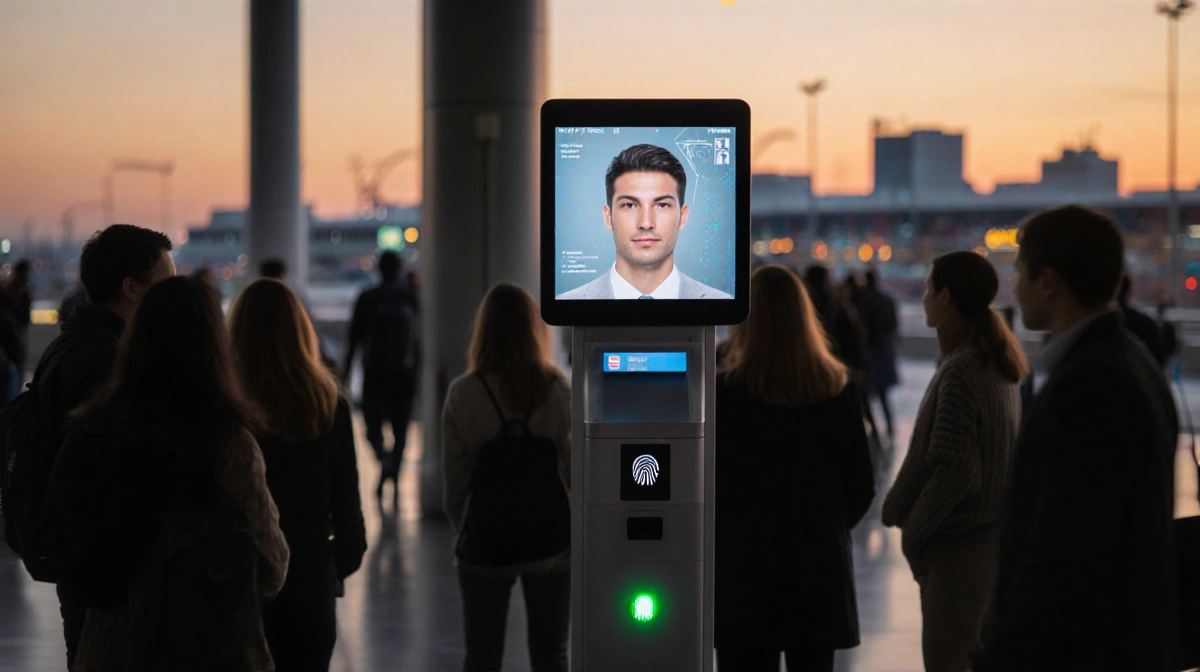
U.S. Customs and Border Protection announced a sweeping biometric-data program that will begin on Dec. 26, requiring all non-citizens to provide facial and fingerprint information at every U.S. border crossing, airport, and cruise-ship terminal.
What the Rules Cover
CBP’s new regulations mandate facial and fingerprint collection for every non-U.S. citizen-including green-card holders, diplomats, and travelers of all ages-who enter or exit the United States via air, land, or sea. The data will be gathered as people enter and leave the U.S.
Concerns and Reactions

Critics worry the biometric data could be shared with unidentified government agencies and retained for up to 75 years without adequate protection.
Joaquín Luken stated:
> “Until now, in the short-term, it hasn’t happened,” he said. “We have not seen delays at border crossings due to the lack of technology and adequate infrastructure. Right now if you cross on foot or in a car, they are not taking biometrics.”
Santiago Vázquez told the El Sol Newspaper:
> “I’ve yet to see anything, any major changes,” he said. “I worry more on the way out, seeing more delays, since Mexican Customs is not as organized. it’s a total bottleneck there at night.”
Official Justification
The Department of Homeland Security said the surveillance and data collection will enhance security, match identities against existing records, and streamline enforcement against immigration abuse.
Who Is Not Affected
U.S. citizens are not covered by the new rule.
| Group | Covered | Details |
|---|---|---|
| Non-citizens | Yes | Facial & fingerprint data |
| U.S. citizens | No | Not required |
Key Takeaways
- CBP will collect biometric data from all non-citizens at U.S. borders starting Dec. 26.
- The program includes green-card holders, diplomats, and all travelers of all ages.
- Critics fear long-term storage and potential sharing with unknown agencies.
The biometric-data initiative marks a significant shift in U.S. border enforcement, with potential impacts on processing times and privacy for millions of non-citizens.