
At a Glance
- 7,000+ people infected with drug-resistant Candida auris in 2025.
- Over half of U.S. states report cases, with the annual count near 7,500.
- Climate change may be helping the fungus adapt to human body temperatures.
- Why it matters: Hospitals face a deadly, untreatable infection that spreads easily and kills vulnerable patients.
Candida auris first appeared in the U.S. in 2016 and has since spread through hospitals and nursing homes. It can persist on surfaces for long periods, entering patients via catheters, breathing tubes or IVs. Because many strains resist all standard antifungal drugs, the fungus can be fatal in healthcare settings.
The Threat
The fungus is a true superbug, resisting every medication normally used to treat fungal infections. In 2025, the CDC tracked 7,000+ cases, and the annual total is approaching 7,500.
Melissa Nolan, assistant professor of epidemiology and biostatistics at the University of South Carolina, warned:
> “If you get infected with this pathogen that’s resistant to any treatment, there’s no treatment we can give you to help combat it. You’re all on your own.”
Spread and Impact
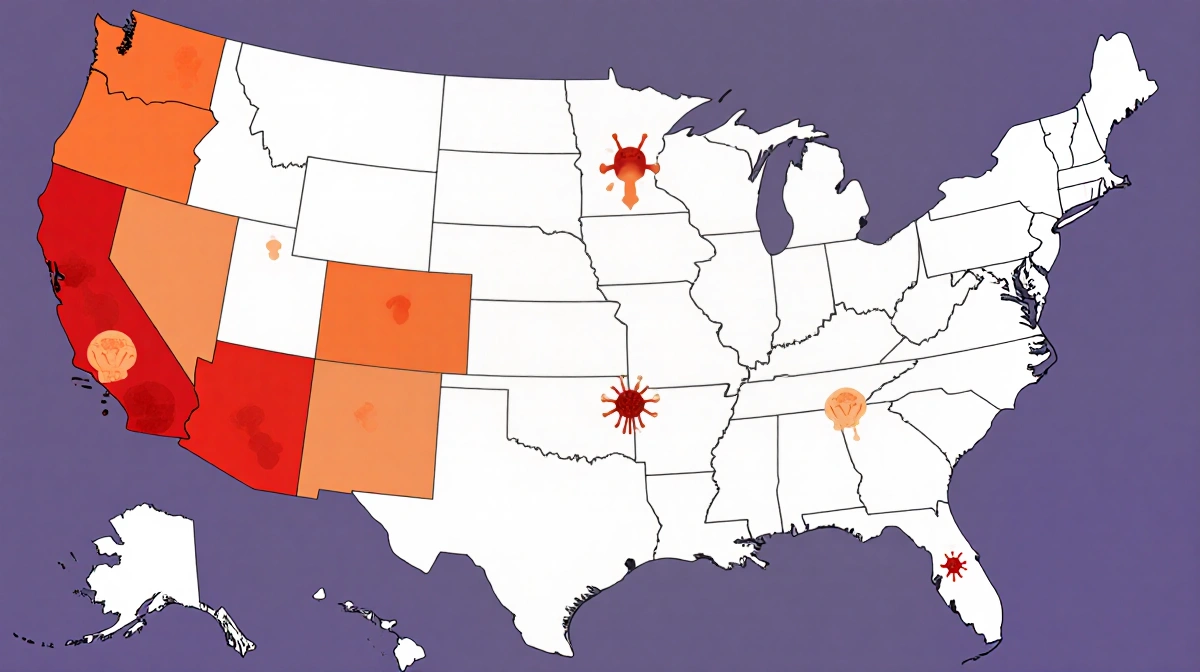
- More than half of U.S. states reported clinical cases of Candida auris in 2025.
- Data for Alabama and Florida were missing.
- A July study of patients in Nevada and Florida found:
| Metric | Percentage |
|---|---|
| ICU admission | >50% |
| Mechanical ventilation | >33% |
| Blood transfusion | >50% |
| Average age | 60-64 years |
The study highlighted that older patients and those in intensive care are at the highest risk.
Possible Drivers
Some scientists suggest climate change is contributing to the fungus’s spread. Arturo Casadevall, a microbiologist at Johns Hopkins University, explained:
> “We have tremendous protection against environmental fungi because of our temperature. However, if the world is getting warmer and the fungi begin to adapt to higher temperatures as well, some… are going to reach what I call the temperature barrier, where they’ll be able to survive in the human body.”
Key Takeaways
- Candida auris is a drug-resistant fungus that has infected 7,000+ people in 2025.
- Over half of U.S. states report cases, and the annual count is nearing 7,500.
- Climate change may enable the fungus to thrive at human body temperatures, increasing its spread.
Hospitals nationwide must intensify infection control measures, as the fungus poses a severe threat to vulnerable patients and offers no effective treatment.