At a Glance
- First New World screwworm case reported in Tamaulipas, 197 miles south of Texas border.
- Texas Agriculture Secretary Sid Miller warns of serious threat to state livestock.
- U.S. cattle industry fears $2.1 B in damages; sterile fly program underway.
- Why it matters: The detection could spark a costly outbreak if the pest crosses the U.S. border.
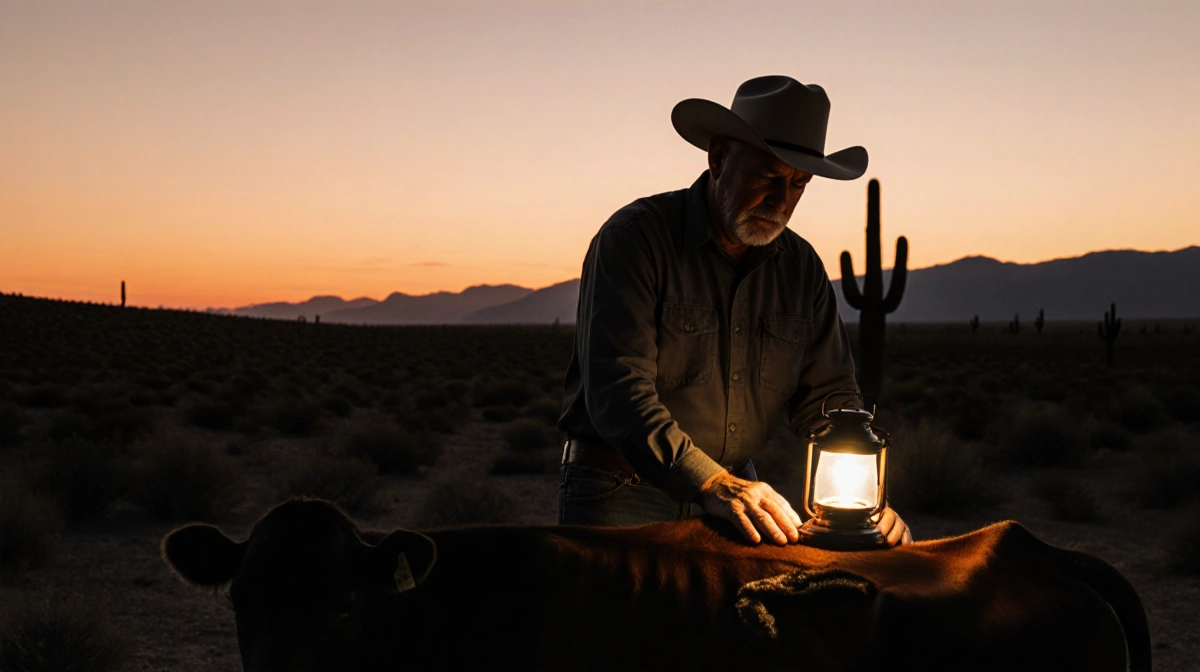
A six-day-old calf in Tamaulipas tested positive for New World screwworm larvae, the first confirmed case in northern Mexico, and the Texas agriculture chief warned that the pest poses a serious threat to U.S. livestock. The incident has reignited concerns about a potential cross-border outbreak that could cost the Texas cattle industry billions.
Border-side Detection
The detection came 197 miles south of the South Texas border, a distance that underscores how close the threat is to U.S. grazing lands. Mexican officials with SENASICA confirmed the finding, and the U.S. has halted cattle imports from Mexico to prevent spread.
- Six-day-old calf tested positive on Saturday; first confirmed case in Tamaulipas.
- Previous October case in Nuevo Leon 70 miles from border with no spread.
- First detection in Tamaulipas after earlier case in Nuevo Leon.
Sid Miller said:
> “The continued detections of New World screwworm near the Texas border are grim reminders of the serious threat this pest poses to our state,”
Sid Miller added:
> “In coordination with Mexico, its northward spread has been halted, and this recent case promises to be a one-off, for now. But to fully eradicate this threat, the bottom line remains unchanged: we need sterile flies.”
Response and Prevention
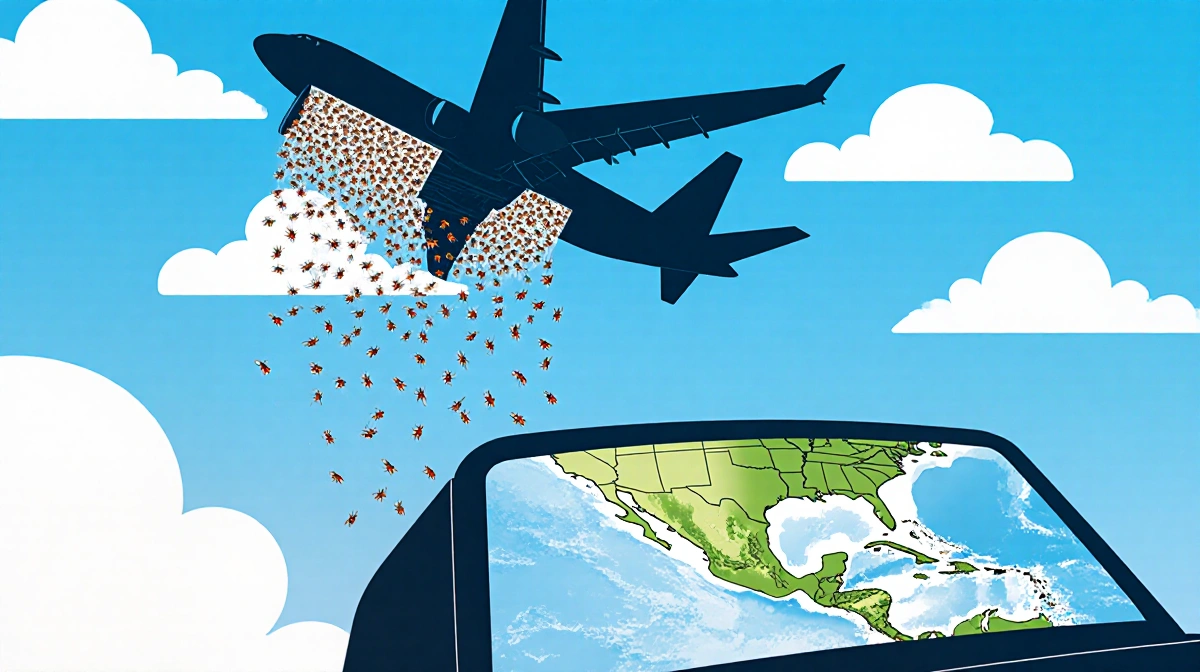
Texas Agriculture Secretary Sid Miller emphasized that the northward spread has been halted in coordination with Mexico, but that sterile flies are still needed to eradicate the pest. In response, planes carrying one million sterile flies are being flown to southern Mexico and Panama from Moore Air Base in Edinburg, following a visit by Agriculture Secretary Brooke Rollins earlier this year.
- Strict quarantining procedures in Mexico.
- U.S. prohibits cattle imports from Mexico.
- Sterile flies program aims to produce up to 3 million flies per week by 2026.
- USDA maintains a real-time website for updates.
Impact on Livestock
The Texas cattle industry estimates that a cross-border outbreak could devastate livestock and cost the state $2.1 B in damages. New World screwworm larvae burrow into the flesh of animals, pets, birds, and even people, potentially killing them in as little as 2 weeks.
| State | Distance from Texas Border | Date |
|---|---|---|
| Tamaulipas | 197 miles | Saturday (recent) |
| Nuevo Leon | 70 miles | October |
The pest was eradicated from the U.S. in 1966 using sterile flies, but it re-emerged in Panama during the COVID pandemic when on-site inspectors decreased, prompting a northward trek toward the U.S. border.
Key Takeaways
- First confirmed case in Tamaulipas, 197 miles south of Texas border.
- U.S. cattle industry fears $2.1 B in damages if pest spreads.
- Sterile fly program is central to preventing a costly outbreak.
With the first confirmed case in Tamaulipas, U.S. officials remain vigilant, deploying sterile flies and tightening import restrictions to protect Texas cattle and prevent a costly outbreak.