
At a Glance
- Four federal bills and two state-level options for permanent daylight saving time have been introduced.
- The Senate tried to fast-track the Sunshine Protection Act in October, but the effort was blocked.
- 19 states passed laws in 2025 to make DST permanent, including Maine and Texas.
- Why it matters: The debate could change how 350 million Americans keep their clocks for years.
In a year of intense legislative activity, the U.S. is still set to observe the usual spring and fall clock changes in 2025.
Congressional Action
The House and Senate have each introduced a version of the Sunshine Protection Act, calling for permanent daylight saving time. Two additional House bills would let states choose year-long daylight saving, while Arizona and Hawaii already opt for year-long standard time.
Sen. Tom Cotton (R-Ark.) opposed the Senate’s fast-track effort, saying:
Sen. Tom Cotton
> “I don’t like the biannual clock change any more than the rest of you do,” he said while delivering remarks on the Senate floor, adding later on that “not every human problem has a legislative solution.”
Sen. Tom Cotton
> “Sometimes we have to live with an uneasy compromise between competing priorities and interests. That’s doubly true when considering how the movement of the stars and the planets affects the lives of 350 million souls spread across our vast continental nation.”
State-Level Momentum
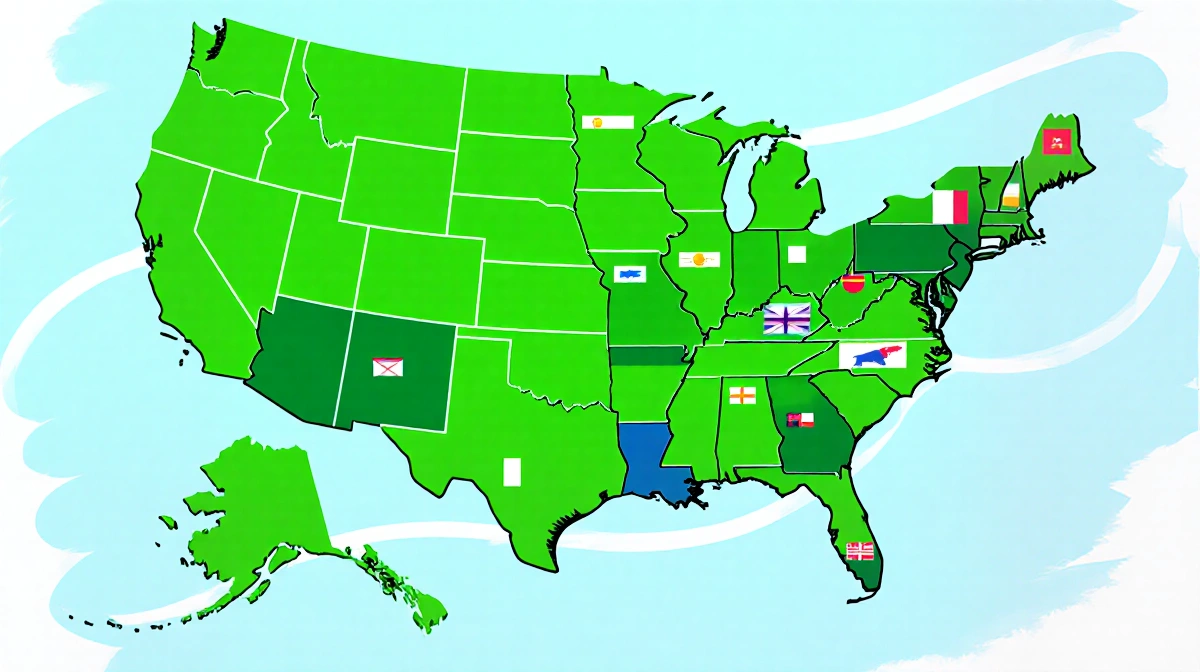
In 2025, 19 states-including Maine, Texas, Alabama, Colorado, Delaware, Florida, Georgia, Idaho, Louisiana, Minnesota, Mississippi, Montana, Oklahoma, Oregon (Malheur County excluded), South Carolina, Tennessee, Utah, Washington, and Wyoming-passed bills to make DST permanent. The legislation often hinges on neighboring states making the same choice.
At least three states prefiled new bills for the upcoming session:
- New Hampshire would make standard time permanent if Maine, Massachusetts, Vermont, and Rhode Island also adopt it.
- Virginia and two Missouri House and Senate bills would make DST permanent.
- Three other Missouri bills would exempt the state from observing DST.
Current Status
With no quick action, daylight saving time will resume on Sunday, March 8-the earliest possible spring-forward date.
Key Takeaways
- Four federal bills, including the Sunshine Protection Act, aim to end the biannual clock change.
- 19 states passed permanent DST laws in 2025, but the effort depends on federal approval.
- The next spring-forward is March 8, marking the start of the next cycle of time changes.
The debate over permanent timekeeping continues as lawmakers weigh the benefits of consistent clocks against the challenges of winter darkness.