Record Low Currency
Iran’s currency slid to a new record low of more than 1.3 million rials per U.S. dollar on Monday. The fall deepens the rial’s collapse less than two weeks after it first breached the 1.2‑million mark. Sanctions pressure and regional tensions have accelerated the decline. Currency traders in Tehran quoted the dollar above 1.3 million rials. This speed of depreciation follows the historic low reached on Dec. 3.
The rapid depreciation compounds inflationary pressures across the economy. Higher prices for food and daily necessities strain household budgets. The trend could intensify with recent changes to gasoline pricing. These shifts add to the cost burden faced by ordinary Iranians. The currency’s weakness magnifies the impact of rising import costs.
New Gasoline Pricing Tier
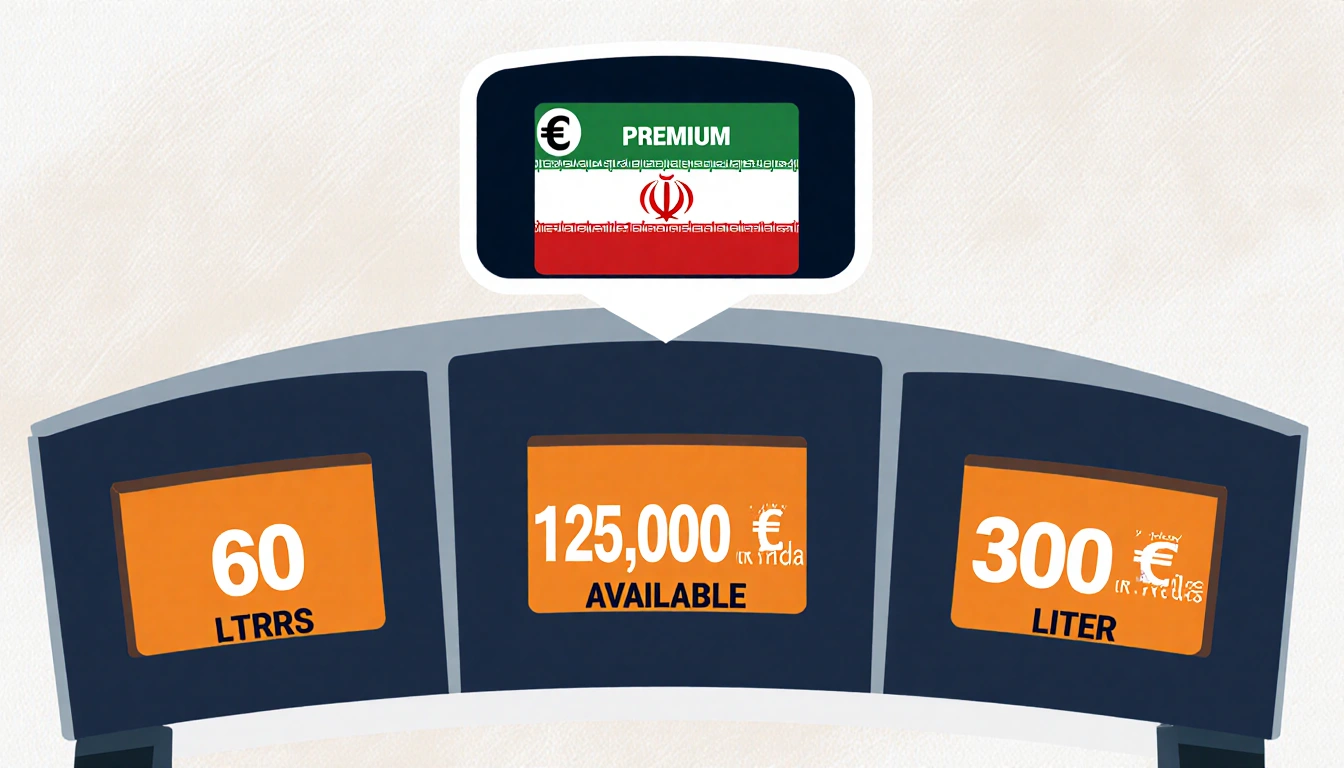
On Saturday, Iran added a third gasoline price tier. This is the first major adjustment since a 2019 hike that sparked protests. The 2019 increase led to a crackdown that reportedly killed over 300 people. The new tier allows motorists to receive 60 liters a month at 15,000 rials per liter. An additional 100 liters are available at 30,000 rials per liter.
Purchases beyond the subsidized 160 liters now cost more than three times the original price. Gasoline remains among the cheapest in the world. Economists warn the change could feed inflation. The rial’s rapid weakening already pushes up food and basic goods prices. The new pricing structure may further strain consumer purchasing power.
Sanctions and Diplomatic Context
The currency decline coincides with stalled negotiations between Washington and Tehran. Both sides have struggled to revive talks over Iran’s nuclear program. Uncertainty remains over the risk of renewed conflict. This follows June’s 12‑day war involving Iran and Israel. Many Iranians fear a broader confrontation that could draw in the United States.
Iran’s economy has been battered for years by international sanctions. The impact intensified after Donald Trump unilaterally withdrew the U.S. from the 2015 nuclear deal in 2018. At the time the accord was implemented, the rial traded at about 32,000 to the dollar. The 2015 agreement sharply curtailed Iran’s uranium enrichment and stockpiles. It did so in exchange for sanctions relief.
Economic Impact
After Trump returned to the White House for a second term in January, his administration revived a ‘maximum pressure’ campaign. The campaign expanded sanctions targeting Iran’s financial sector and energy exports. Washington pursued firms involved in trading Iranian crude oil. This included discounted sales to buyers in China, according to U.S. statements. The broadened sanctions further tightened Iran’s economic prospects.
In late September, the United Nations reimposed nuclear-related sanctions on Iran. The UN used a ‘snapback’ mechanism to enforce the measures. Those sanctions froze Iranian assets abroad. They also halted arms transactions with Tehran. Penalties were tied to Iran’s ballistic missile program.
Key Takeaways
Economists warn the rial’s accelerating decline risks feeding a vicious cycle. Higher prices and reduced purchasing power could become self‑reinforcing. Staples such as meat and rice are particularly affected. These foods are central to Iranian diets. The cycle threatens to deepen economic hardship.
For many Iranians, the latest record low reinforces concerns that relief remains distant. Diplomacy falters as sanctions tighten. The currency’s weakness amplifies the impact of import costs. Household budgets are strained by rising prices. The situation underscores the urgency of addressing economic challenges.
Gasoline Tier Details
The new gasoline tier introduces a cost increase for motorists. The 60‑liter subsidy remains at 15,000 rials per liter. The 100‑liter subsidy is at 30,000 rials per liter. Additional purchases exceed three times the subsidized rate. This structure may add to consumer inflation.
Currency Decline Drivers
The rial’s decline has been driven by sanctions and regional tensions. The 2018 withdrawal of the U.S. from the nuclear deal heightened pressure. Subsequent sanctions expanded in scope and severity. The UN’s snapback further restricted Iran’s financial operations. These measures collectively weakened the currency.
2015 Accord Background
The 2015 accord limited Iran’s uranium enrichment and stockpiles. It provided sanctions relief in return. At that time, the rial traded at about 32,000 to the dollar. The agreement represented a significant shift in Iran’s nuclear policy. Its collapse has reverberated through the economy.
Trump’s Second Term Sanctions
The ‘maximum pressure’ campaign targeted financial and energy sectors. It aimed to curb Iran’s nuclear and ballistic missile programs. Sanctions were expanded under Trump’s second term. The U.S. also pursued oil traders dealing with Iranian crude. These actions intensified economic isolation.
UN Snapback Measures
The United Nations reimposed sanctions using a snapback mechanism. The measures froze assets abroad. They halted arms transactions with Tehran. Penalties tied to the ballistic missile program were imposed. The UN’s actions reinforced U.S. sanctions.
Inflation and Consumer Costs
The rial’s weakening has pushed up import costs. Inflationary pressures affect food and daily necessities. The new gasoline tier adds to the cost burden. Household budgets are strained by rising prices. The currency’s decline amplifies the impact of sanctions.
Conflict Risk
The 12‑day war in June heightened conflict risk. Iran and Israel were involved in the confrontation. Uncertainty over renewed conflict remains. Many Iranians fear a broader confrontation involving the United States. Market anxiety has increased as a result.
Economic Distress Symptom
The rial’s rapid depreciation is a symptom of broader economic distress. Sanctions have tightened over the years. The 2018 withdrawal of the U.S. from the nuclear deal was a turning point. Subsequent sanctions have compounded the economic strain. The currency’s decline reflects the cumulative impact of these measures.
Subsidy Structure
The new gasoline tier allows motorists to receive subsidized liters. The first 60 liters are at 15,000 rials per liter. The next 100 liters are at 30,000 rials per liter. Beyond that, purchases cost more than three times the subsidized price. This change could feed inflation at a time of currency weakness.
Final Assessment
Iran’s economy continues to suffer under sanctions. The rial’s record low underscores the depth of the crisis. Negotiations over the nuclear program remain stalled. The new gasoline pricing adds to consumer costs. The situation highlights the urgent need for economic relief.