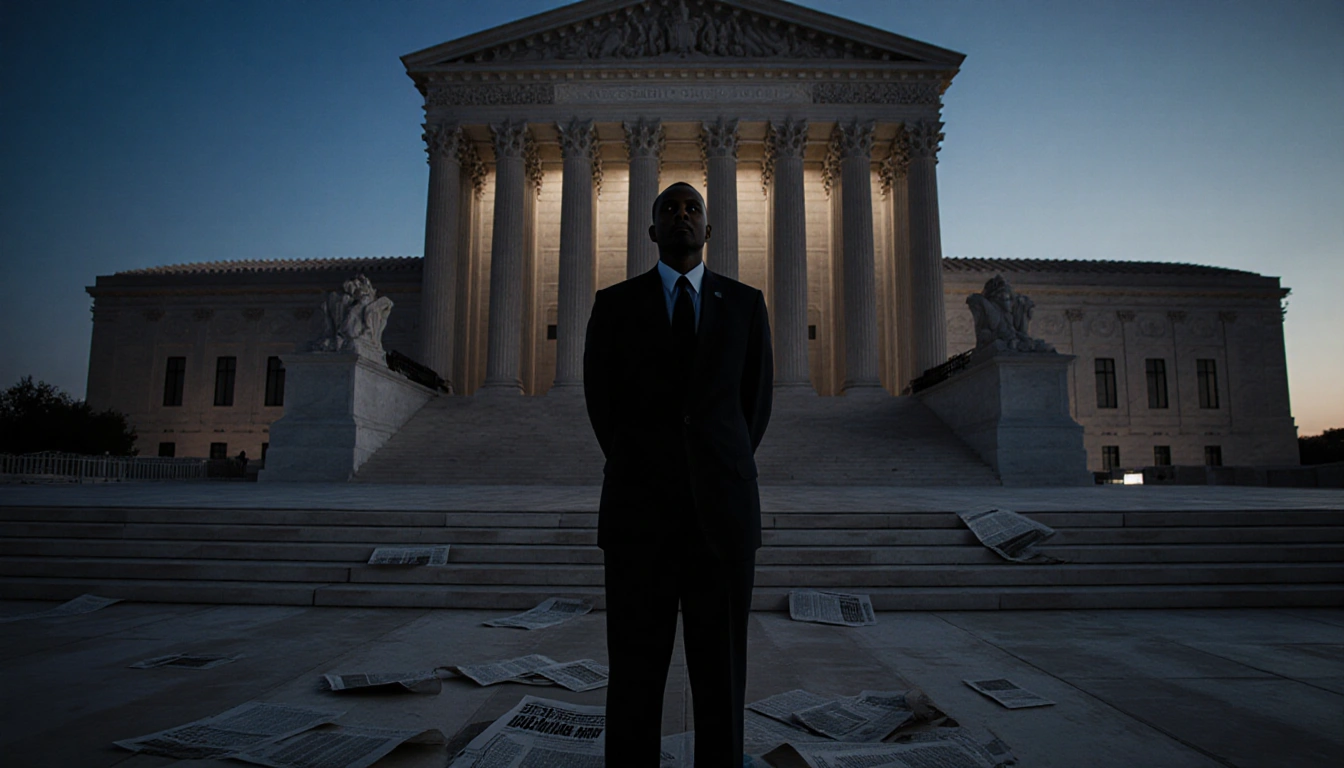
On Monday, the U.S. Supreme Court agreed to take up the appeal of Terry Pitchford, a Black inmate on Mississippi’s death row. Pitchford’s 2004 murder conviction was overturned by a federal judge, only to be reinstated by an appeals court. The case centers on former District Attorney Doug Evans, who has a record of dismissing Black jurors for discriminatory reasons. The Court’s decision signals a renewed focus on jury selection practices that may have violated constitutional protections. The appeal will be heard in the spring, bringing the case back to the nation’s highest court for a definitive ruling.
U.S. District Judge Michael P. Mills issued the ruling that set the stage for the Supreme Court’s review. Mills found that the trial judge who presided over Pitchford’s case failed to give Pitchford’s defense lawyer sufficient opportunity to argue that the prosecution was improperly dismissing Black jurors. In his opinion, Mills highlighted that the prosecutor’s conduct in this case mirrored patterns seen in Evans’ earlier prosecutions. The judge noted that his decision was partially motivated by Evans’ track record, suggesting a concern that similar discriminatory practices could recur without judicial oversight.
Terry Pitchford was convicted for his role in the 2004 murder of Reuben Britt, the owner of the Crossroads Grocery store located just outside Grenada in northern Mississippi. The crime, which involved a fatal shooting, led to Pitchford’s death sentence. His conviction was initially affirmed by the state courts, but a federal judge later overturned it, citing procedural issues related to jury selection. The appellate court reversed the federal ruling, reinstating the death penalty and the conviction, setting the stage for the current Supreme Court review.
During Pitchford’s trial, the original jury pool comprised 61 white and 35 Black potential jurors. Through a series of dismissals, the pool was narrowed to 36 white and five Black members, a reduction largely driven by Black jurors who objected to a death sentence. Prosecutors then struck four additional Black jurors, leaving only a single Black person on the final jury. The pattern of dismissals raised concerns about racial bias in jury selection, prompting the federal judge’s intervention and subsequent appeals.
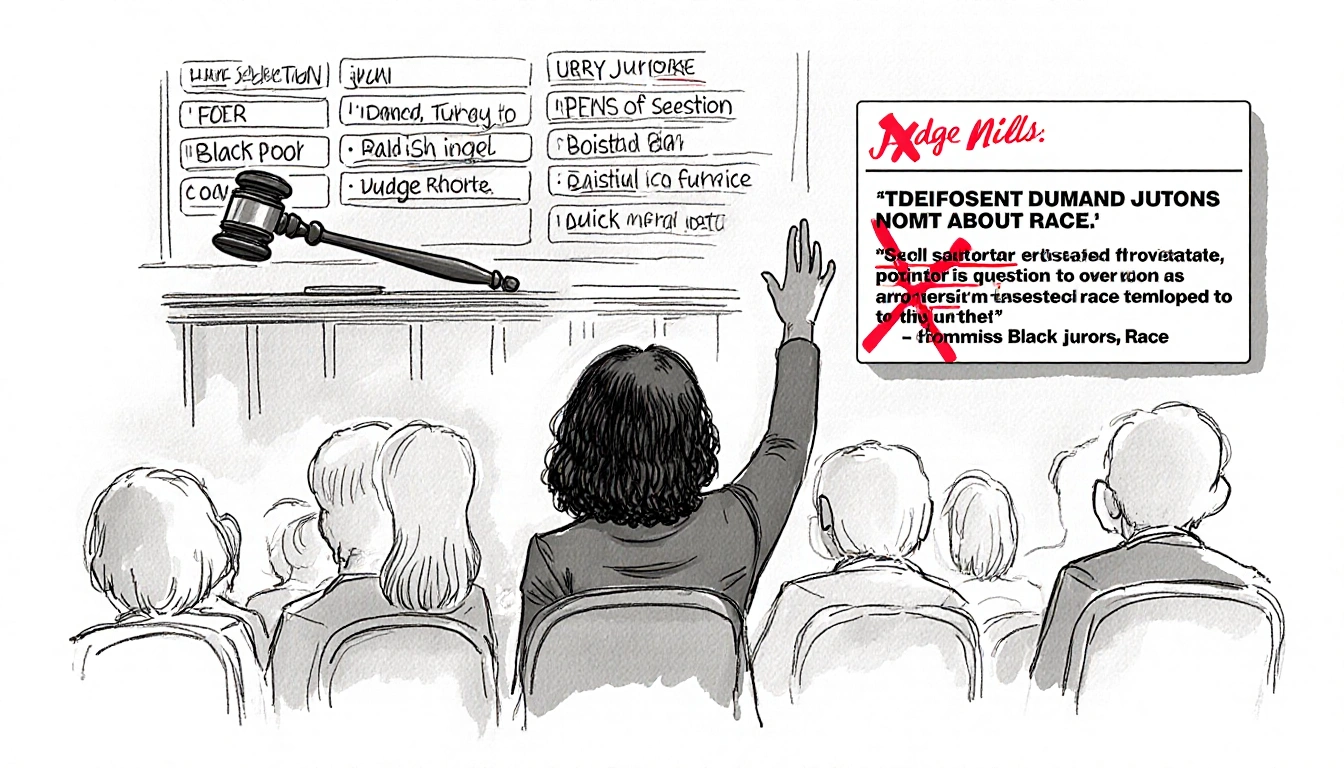
Racial discrimination in jury selection was first addressed by the Supreme Court in Batson v. Kentucky in 1986. The ruling held that jurors cannot be excluded solely on the basis of race and established a three‑step test for judges to evaluate claims of discrimination. Under this framework, trial judges must consider whether a prosecutor’s reason for striking a juror is race‑neutral. If not, the judge must offer a legitimate, non‑racial justification. The Batson decision remains a cornerstone for challenging discriminatory jury practices.
In the 2019 decision that overturned the death sentence and conviction of Curtis Flowers, Justice Brett Kavanaugh wrote that Evans had engaged in a “relentless, determined effort to rid the jury of Black individuals.” The court’s opinion underscored the prosecutor’s systematic approach to excluding Black jurors across multiple cases. Kavanaugh’s language highlighted the severity of the discriminatory conduct, reinforcing the need for judicial scrutiny in future jury selection disputes.
Curtis Flowers was tried six times in the shooting deaths of four people. He was released from prison in 2019 after the Supreme Court’s ruling. In 2020, the state dropped the charges against him, a move that followed Evans turning the case over to state officials. The Flowers case became a landmark example of systemic racial bias in jury selection, prompting reforms and heightened scrutiny of prosecutorial conduct.
Evans’ history of removing Black jurors has raised questions about the fairness of trials in Mississippi’s death penalty cases. The Supreme Court’s willingness to review Pitchford’s appeal reflects broader concerns about racial discrimination in jury selection. The case also underscores the importance of federal oversight in ensuring that trial judges enforce constitutional standards, especially when a prosecutor’s conduct mirrors past misconduct.
Key Takeaways
- The Supreme Court will hear the appeal of Terry Pitchford, a Black death row inmate, in the spring.
- Judge Mills’ ruling highlighted the prosecutor’s pattern of dismissing Black jurors, echoing Evans’ conduct in prior cases.
- The case brings renewed focus on the Batson framework and the need for judicial oversight in jury selection.
With the Supreme Court’s review on the horizon, the legal community watches closely as the case may set new precedents for how courts address potential racial bias in jury selection. The outcome could influence future death penalty trials across Mississippi and beyond, reinforcing the constitutional mandate that juries be selected without discrimination.