At a Glance
- December recorded 21 days of above-normal highs.
- Only 5 rainy days, with a 0.31″ peak on Dec 12.
- The year overall was warmer, with May and July leading.
- Why it matters: These trends reflect the ongoing La Niña influence and help residents plan for heat and water use.
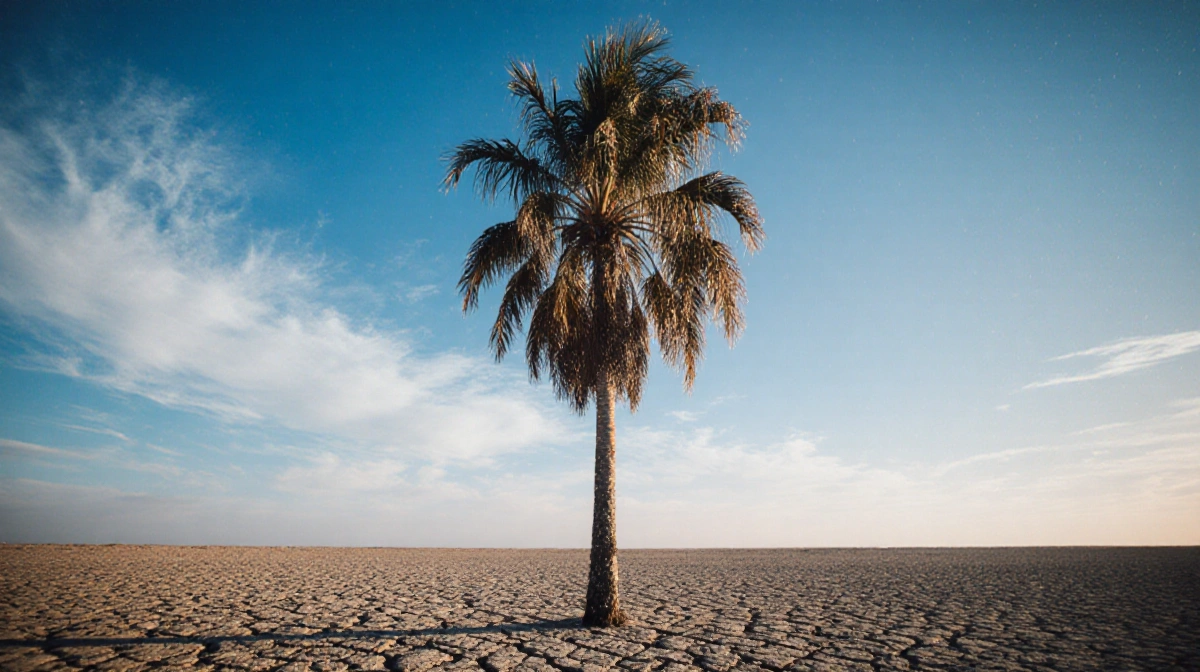
December’s weather in Austin was hotter and drier than usual, with record-setting temperatures and minimal rainfall. The 2025 climate picture continues that trend, showing a warmer year overall.
December Weather Highlights
The month saw 21 days where the high temperature exceeded the normal range. A post-Christmas day hit a record 86 °F, followed by a tied record of 82 °F the next day. Only one morning dipped below freezing, on Dec 15.
- Record 86°F after Christmas
- 82°F tied record next day
- Only one sub-freezing low on Dec 15
Temperature Trends for 2025
While the year’s final numbers are pending, the trend points to a warmer 2025, with nine months above normal. January was 5.3 °F below, February 1.2 °F below, and July the only other month below normal by 1.8 °F.
| Month | Temperature Trend | Rainfall |
|---|---|---|
| May | Above normal | 6.59″ |
| July | Above normal | 6.08″ |
| September | Below normal | 0.08″ |
Overall rainfall was 25.94″, a deficit of 10.31″ below last year’s 28.25″.
Rainfall Summary
Rain fell only five days in December, contributing a modest 0.31″ on Dec 12 to a four-month deficit of 9.27″. Across 2025, 72 days saw precipitation, yet the total was 25.94″.
Key Takeaways
- December had 21 days of above-normal highs.
- The year’s average temperature was above normal, with May and July leading.
- Total rainfall fell short of 2024, with only 25.94″ recorded.
Austin’s climate in 2025 remains shaped by La Niña, with heat waves and low rainfall underscoring the need for preparedness.
By Hannah E. Clearwater for News Of Austin