
In a two‑month civil trial in Southern California, the Los Angeles Angels are being sued for allegedly ignoring drug‑use reports that led to the death of pitcher Tyler Skaggs.
The Tragic End of a Rising Star
Tyler Skaggs, a 27‑year‑old left‑hander, died in 2019 while staying at a suburban Dallas hotel on a team trip. A coroner’s report said he choked to death on vomit after taking a fentanyl‑laced pill that also contained alcohol and oxycodone. The incident occurred just before the Angels were set to open a four‑game series against the Texas Rangers.
The Civil Trial and the Accused
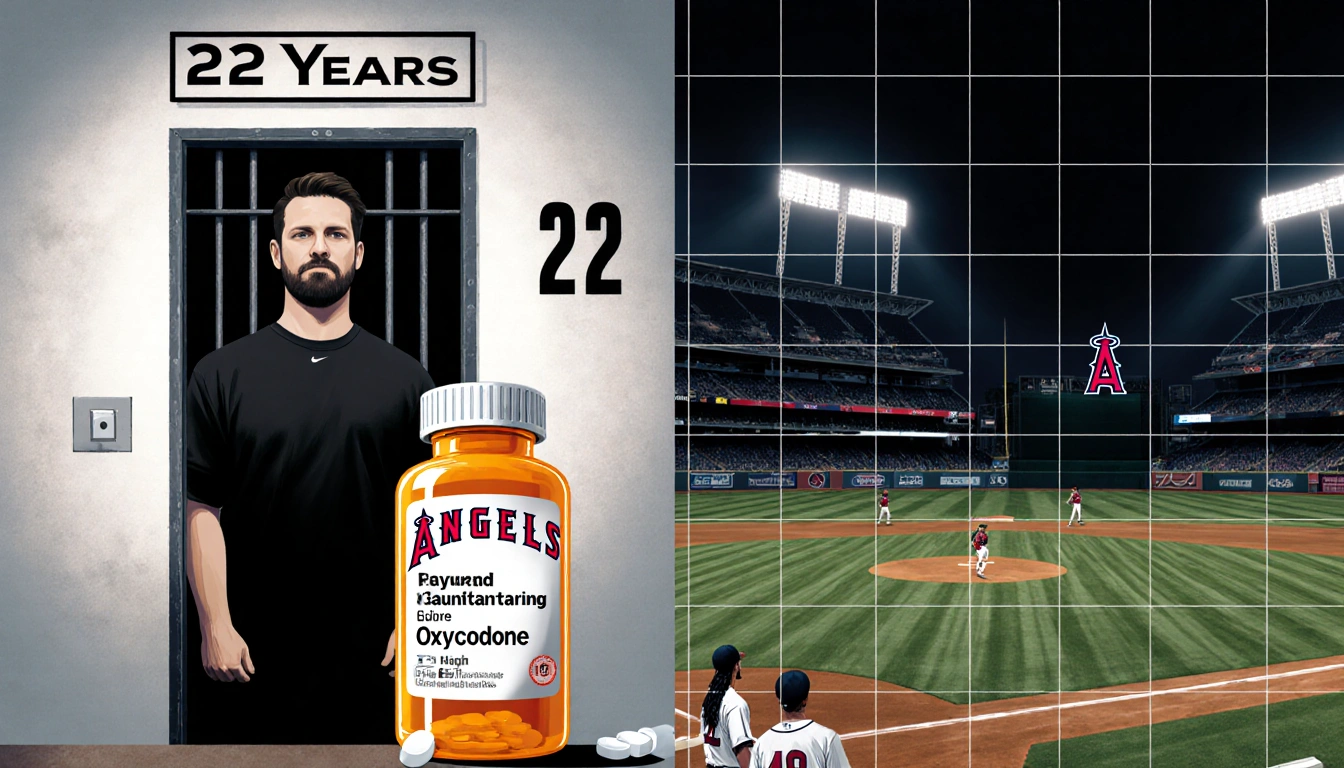
The lawsuit, filed by Skaggs’ widow Carli and his parents, claims the Angels knew or should have known that Eric Kay, the team’s communications director, was an addict who was distributing pills to players. Kay was convicted in 2022 of providing Skaggs with a counterfeit oxycodone pill laced with fentanyl and was sentenced to 22 years in prison. In the federal case, testimony from five MLB players confirmed that Kay supplied oxycodone to Angels teammates from 2017 to 2019.
Dueling Arguments in Closing
During closing arguments, Daniel Dutko, the family’s attorney, said extensive testimony showed team officials failed to act when they learned Kay had multiple plastic bags of pills at his home and had been hospitalized for a drug overdose. Dutko added that Kay remained on the job and had access to players, “providing them massage appointments, tee times and prescription medication.” He stated, “This is a systematic breakdown over and over and over.”
Todd Theodora, the Angels’ lawyer, countered that the team was unaware of Skaggs’ long‑standing pain‑killer addiction and of Kay’s distribution. He said Skaggs encouraged teammates to take pills and that Kay acted as a “gopher” to supply them, a secret kept to protect players’ careers. Theodora told the court, “This is illegal activity that they concealed because they did not want the team to know about it.” He added, “Skaggs took the drugs of his own free will. They didn’t even tell their wives.”
Witnesses Paint a Troubling Picture
The California trial heard testimony from dozens of witnesses, including Angels outfielder Mike Trout, president John Carpino, and relatives of Skaggs and Kay. Witnesses described Kay’s erratic behavior at the stadium, incidents that led to his rehab before the Texas trip, and how players paid Kay for stunts in the clubhouse, such as taking a fastball to the leg and eating a pimple off Trout’s back.
Kay’s ex‑wife Camela Kay testified that the Angels failed her husband, who worked long hours, and that during his 2019 hospitalization for a drug overdose she heard he had pills intended for Skaggs. Carpino admitted, “I wished I had known sooner about the drug use by both Skaggs and Kay.”
Legal Stakes and Damages
Skaggs had been a regular in the Angels’ starting rotation since late 2016, battling injuries throughout that period. He previously played for the Arizona Diamondbacks. The family seeks lost earnings, compensation for pain and suffering, and punitive damages against the Angels. Family experts estimate Skaggs could have earned more than $100 million as a pitcher had he lived, while team‑hired experts put the figure at no more than $32 million.
MLB’s Response to the Tragedy
Following Skaggs’ death, Major League Baseball reached a deal with the players association to begin testing for opioids and to refer those who test positive to a treatment board. The move aims to prevent future incidents similar to Skaggs’ overdose.
Key Takeaways
- The Angels are sued for allegedly ignoring drug‑use reports that contributed to Skaggs’ fentanyl overdose.
- Eric Kay, the team’s communications director, was convicted of providing counterfeit oxycodone laced with fentanyl to Skaggs.
- Witnesses described Kay’s erratic behavior and the team’s alleged failure to act on known drug‑use issues.
The trial underscores the serious consequences of unchecked drug use within professional sports and highlights the legal responsibilities teams may face when players’ health is compromised.
Closing Thoughts
As the court continues to examine the evidence, the case remains a stark reminder of the dangers of prescription drug abuse in high‑pressure athletic environments. The outcome will set a precedent for how MLB teams handle similar situations in the future.