At a Glance
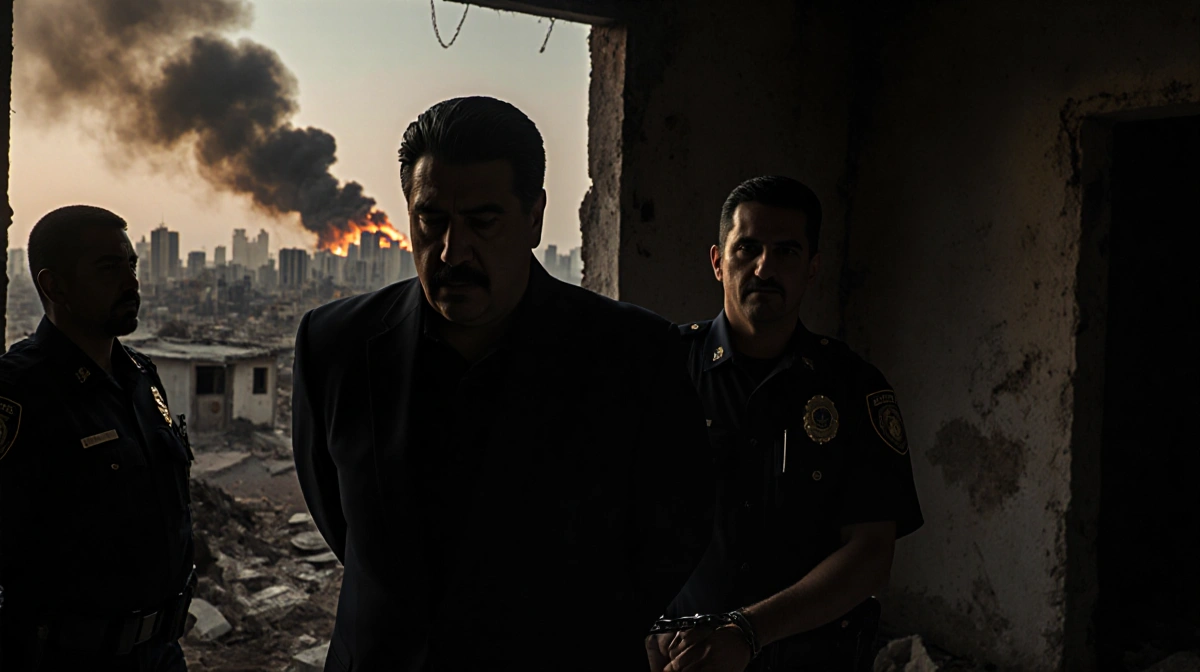
- Nicolás Maduro and wife Cilia Flores were seized in a Venezuelan military raid.
- A newly unsealed U.S. indictment accuses Maduro of running a corrupt, drug-trafficking regime.
- He faces charges in a New York federal court and could be detained in Brooklyn.
- Why it matters: The case could bring a former South American leader to U.S. justice over drug trafficking.
The United States has unsealed a fresh indictment against former Venezuelan president Nicolás Maduro, alleging he operated a corrupt government that funneled thousands of tons of cocaine into the U.S. The arrest of Maduro and his wife Cilia Flores in a surprise military raid sets the stage for a high-profile trial in Manhattan.
Charges and Court Appearance
Maduro faces four counts in the new indictment:
- Narco-terrorism conspiracy
- Cocaine importation conspiracy
- Possession of machine guns and destructive devices
- Conspiracy to possess machine guns and destructive devices
The indictment mirrors a 2020 Manhattan case and adds charges against Flores. Maduro is scheduled to appear in federal court on Monday, where he will likely be held in a Brooklyn jail while awaiting trial.
Alleged Drug-Trafficking Network
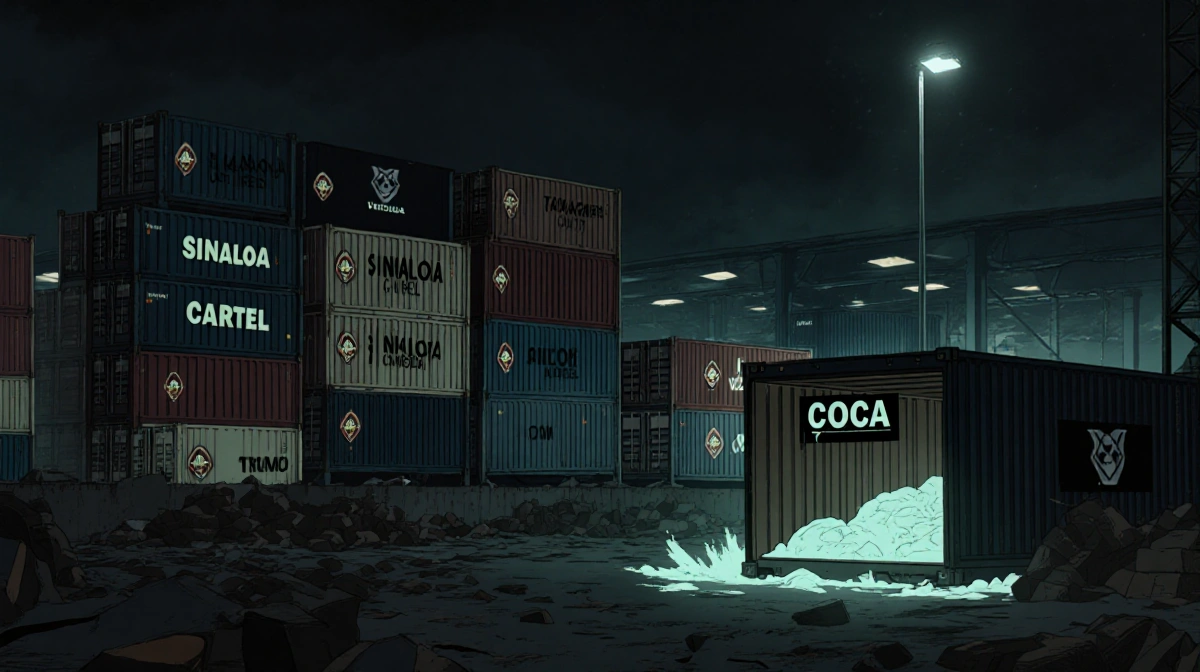
The indictment claims Maduro partnered with violent cartels such as the Sinaloa Cartel and the Tren de Aragua gang. It alleges that these groups shipped up to 250 tons of cocaine through Venezuela each year, with profits funneled to high-ranking officials and Maduro’s family.
- Drugs were moved on go-fast vessels, fishing boats, container ships, and planes from clandestine airstrips.
- Maduro’s regime allegedly provided law-enforcement cover and logistical support to these cartels.
A U.S. intelligence assessment released in April found no coordination between the Tren de Aragua gang and the Venezuelan government.
Violence and Corruption
Maduro and Flores are accused of ordering kidnappings, beatings, and murders against those who owed them drug money or threatened their operations. The indictment cites the killing of a Caracas drug boss and the 2007 bribery scheme in which Flores accepted hundreds of thousands of dollars to arrange meetings between a large-scale trafficker and the director of Venezuela’s National Anti-Drug Office.
- Nephews of Flores were recorded in 2015 agreeing to ship multi-hundred-kilogram cocaine shipments from Maduro’s presidential hanger.
- They were sentenced in 2017 to 18 years for conspiracy to send tons of cocaine into the U.S. and were released in 2022 as part of a prisoner swap.
Military Raid and Legal Context
Dan Caine, chairman of the Joint Chiefs of Staff, said the raid that captured Maduro and Flores was conducted at the request of the Department of Justice. Marco Rubio described the operation as a “law enforcement function” and called Maduro a fugitive with a $50 million reward on his head.
Pam Bondi posted on X:
> “Maduro and Flores will soon face the full wrath of American justice on American soil in American courts.”
These statements underscore the U.S. commitment to pursuing the former president on American soil.
Key Takeaways
- Maduro and Flores were seized in a Venezuelan raid and face a U.S. indictment for drug trafficking.
- The indictment alleges a vast drug-trafficking network that moved up to 250 tons of cocaine annually.
- The case involves violent crimes, bribery, and a high-profile military operation backed by U.S. law enforcement.
The indictment marks a significant escalation in U.S. efforts to hold former Venezuelan leaders accountable for drug-trafficking crimes.