At a Glance
- Israel revoked licenses of 37 humanitarian groups in Gaza.
- Banned organizations include Doctors Without Borders, Norwegian Refugee Council, Oxfam, and Medical Aid for Palestinians.
- The revocation stops aid supplies and international staff from entering Gaza, threatening medical and shelter services.
- Why it matters: The move endangers essential aid for over 2 million Palestinians amid an ongoing crisis.
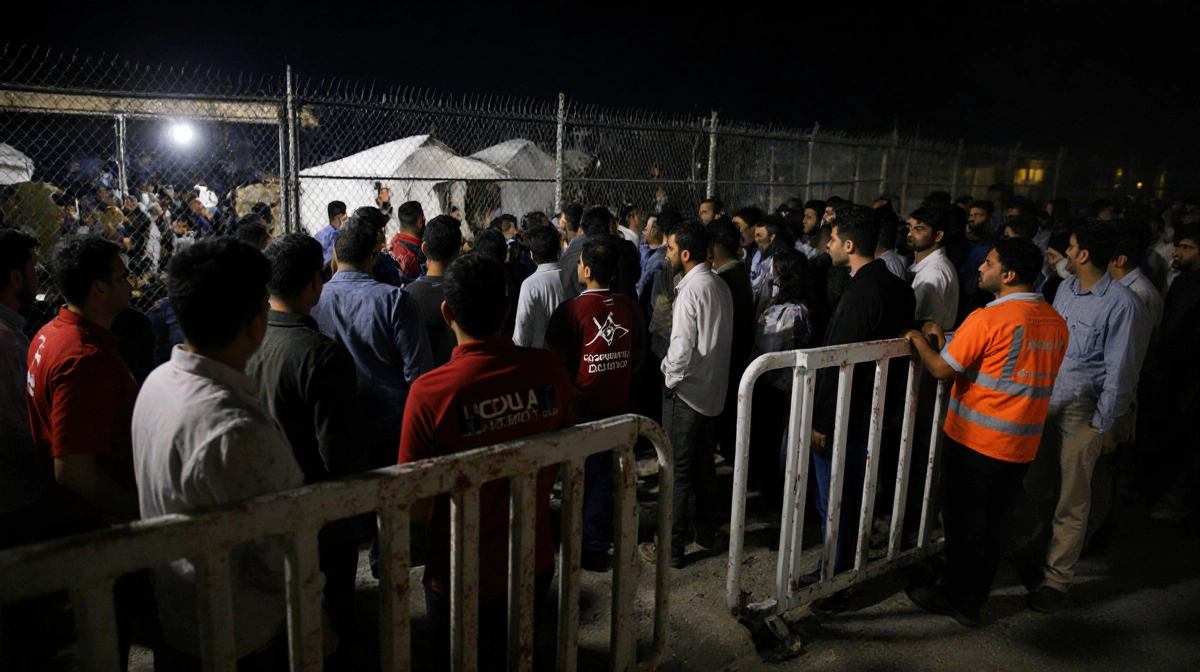
Israel’s decision to revoke the licenses of more than three dozen humanitarian organizations has left aid groups scrambling to understand how the halt will affect their operations in Gaza. The 37 banned groups, among the most prominent of over 100 NGOs working alongside United Nations agencies, have been barred from bringing supplies or sending international staff. The immediate impact threatens medical care, shelter, and basic necessities for Gaza’s population.
Immediate Impact on Aid Operations
The revocation means Israel will no longer allow the 37 groups to bring supplies into the Gaza Strip or send international staffers. Israel says all suspended groups must halt operations by March 1. Some, like the Norwegian Refugee Council, have already been barred from bringing aid for 10 months.
- Supplies of tents, water, and medical equipment cannot be delivered.
- International staff cannot enter Gaza, cutting technical support.
- Operations in the West Bank may continue, but those in east Jerusalem could close.
Reasons Behind the Revocation
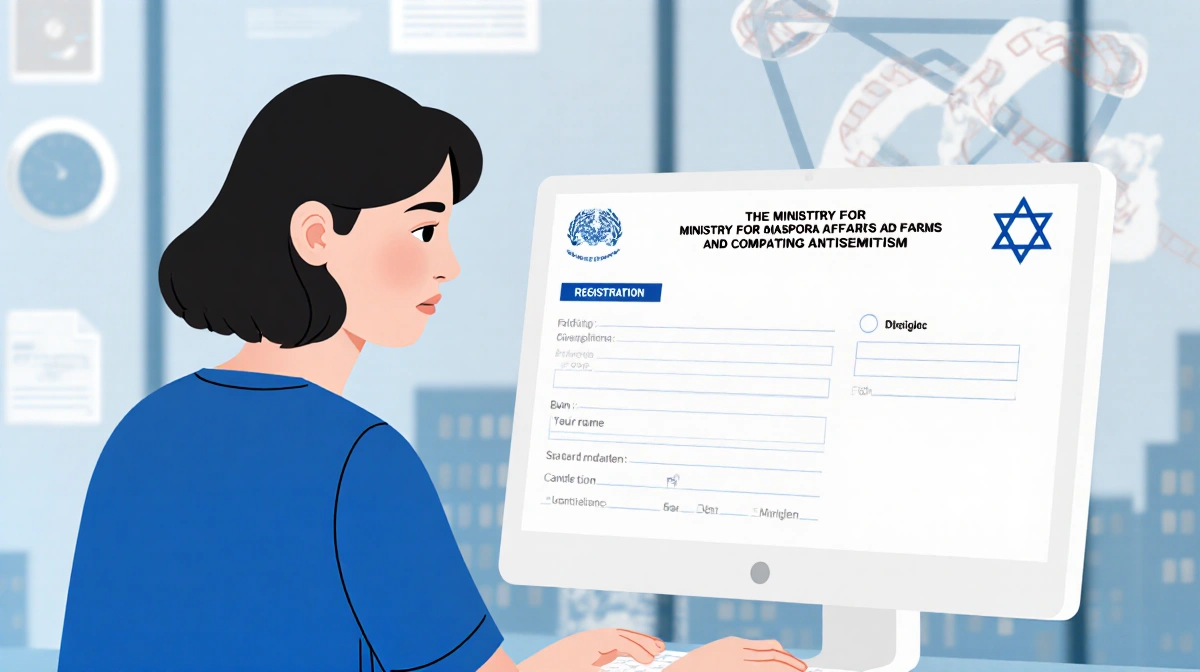
Earlier this year, Israel introduced strict registration requirements demanding staff names and personal details, and threatened bans for criticisms of Israel. The process is overseen by the Ministry for Diaspora Affairs and Combating Antisemitism, led by a far-right Likud member. Israel says the rules prevent Hamas infiltration, while aid groups argue the data could endanger them and that Israel has been vague about its use.
- Mandatory staff lists for all NGOs.
- Ban for any criticism of Israel.
- Alleged infiltration by militants.
- Lack of clarity on data usage.
Medical Services at Risk
Doctors Without Borders (MSF) said the decision would have a catastrophic impact. MSF funds and staff for six hospitals, two field hospitals, and eight primary health centers, and runs two stabilization centers for malnourished children. Its teams treated 100,000 trauma cases, performed surgeries on 10,000 patients, and handled a third of Gaza’s births.
Doctors Without Borders said:
> “Demanding staff lists as a condition for access to territory is an outrageous overreach,” MSF said Friday. It said Israeli officials had refused its attempts to find alternatives.
- MSF supplies about 7% of the 2,239 tons of medical supplies allowed into Gaza.
- MSF has 60 international staffers and more than 1,200 local staff.
- The organization runs two of Gaza’s five stabilization centers.
Challenges for Aid Workers
Aid groups say the most immediate impact is the inability to send international staff, who provide technical expertise and emotional support. Shaina Low of the Norwegian Refugee Council said international presence is a morale booster for staff already feeling isolated. NRC has roughly 30 international staff rotating with about 70 Palestinians.
Shaina Low said:
> “Having international presence in Gaza is a morale booster for our staff who are already feeling isolated,” she said.
- Loss of technical training for local staff.
- Reduced morale and support for Palestinian workers.
- Potential closure of east Jerusalem offices.
Wider Consequences and Appeals
Aid groups have a week from Dec. 31 to appeal the license revocations. Bushra Khalidi of Oxfam said the formal revocation formalizes restrictions and gives Israel full impunity to shut out organizations it disagrees with. Amed Khan, a humanitarian philanthropist, called the outcome “death by bureaucracy.”
Bushra Khalidi said:
> “What changes with the formal license revocation is ‘that these practices are now formalized, giving Israel full impunity to restrict operations and shut out organizations it disagrees with,'” she said.
Amed Khan said:
> “It’s death by bureaucracy,” he said.
- Groups must cease operations by March 1.
- Appeals deadline: Dec. 31.
- Fewer approved NGOs reduce supply chain options.
Key Takeaways
- Israel revoked licenses of 37 humanitarian groups, halting supplies and staff entry.
- Medical aid, especially from MSF, faces a severe cut, with only 7% of allowed supplies coming from them.
- International staff withdrawal threatens morale, training, and operational capacity for local NGOs.
The revocation adds a new layer of complexity to an already strained humanitarian effort in Gaza, threatening to widen gaps in medical care, shelter, and basic needs for millions of residents.