A blast of arctic air swept south from Canada and spread into parts of the northern U.S. on Saturday, while residents of the Pacific Northwest braced for possible mudslides and levee failures from floodwaters that are expected to be slow to recede.
The catastrophic flooding forced thousands of people to evacuate, including Eddie Wicks and his wife, who live amid sunflowers and Christmas trees on a Washington state farm next to the Snoqualmie River. As they moved their two donkeys to higher ground and their eight goats to their outdoor kitchen, the water began to rise much quicker than anything they had experienced before. The floodwaters engulfed their home Thursday afternoon, prompting a dramatic rescue.
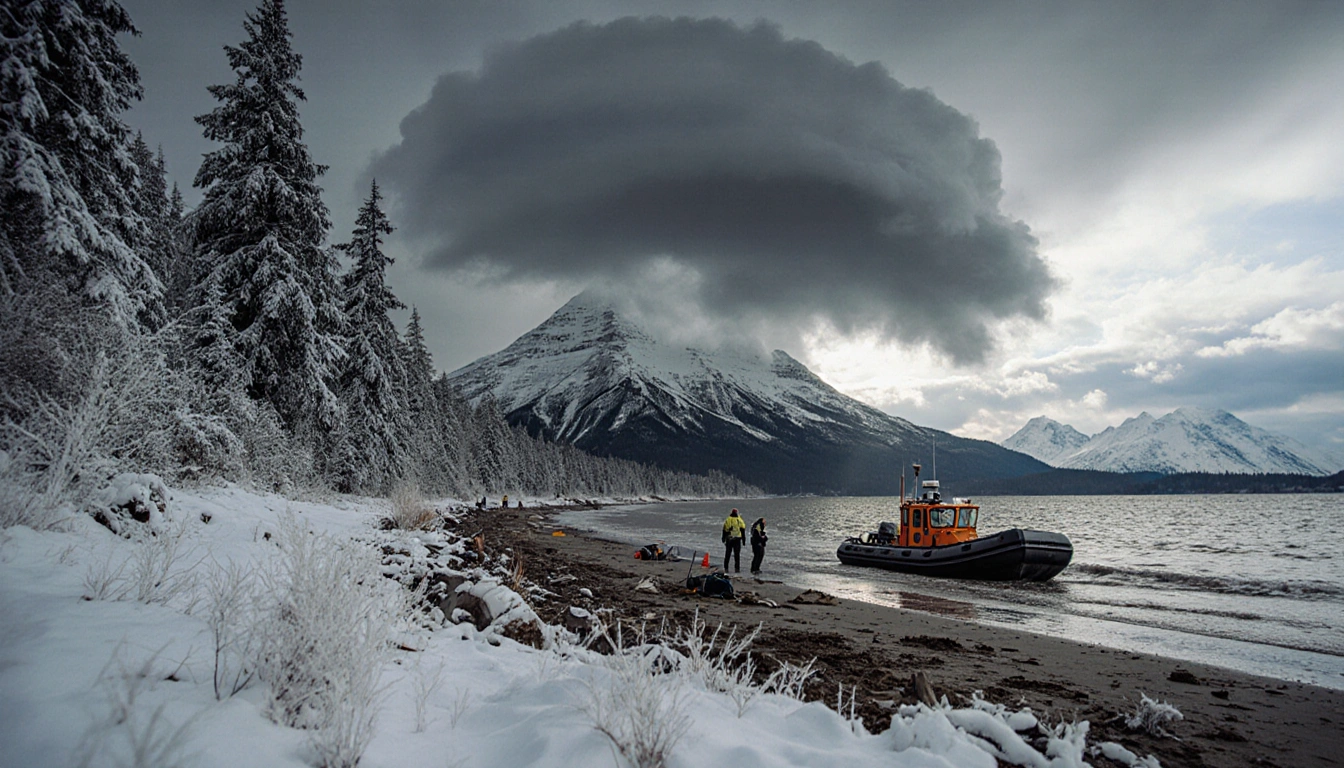
Deputies from the King County Sheriff’s Office marine rescue dive unit were able to rescue the Wicks family and their dog, taking them on a boat the half‑mile (800 meters) across their field, which had been transformed into a lake. The rescue was captured on video and shared widely, illustrating the intensity of the crisis. The family was safely transported to higher ground, while their property remained submerged.
Reid Wolcott, a meteorologist with the National Weather Service in Seattle, warned that the danger was not over. “Bottom line at this point in time is we’re not done despite the sunny conditions that we have across western Washington at this point,” he said. “There is yet more still to come in terms of wind, rain, and flooding,” he added, urging Washingtonians to prepare for additional impacts, tree damage, and power outages.
In Burlington, a farming community about an hour north of Seattle, residents began assessing damage as floodwaters receded. Friends and relatives helped empty Argentina Dominguez’s home, filling trailers with soaked furniture, ripping carpet and mopping muddy floors. Dominguez said, “I know it’s materialistic stuff, but they were our stuff. It’s really hard. But we’re gonna try our best to like get through it all.” She added, “We’re just trying to get everything off the floor so we can start over.”
In Snohomish County, Washington, emergency officials led a tour of the devastation with federal, state and local representatives. Gov. Bob Ferguson said, “It’s obvious that thousands and thousands of Washingtonians and communities all across our state are in the process of digging out, and that’s going to be a challenging process.” He continued, “It’s going to be expensive, time consuming, and potentially dangerous at times. So I think we’re seeing here in Monroe is what we’re going to be seeing all across the state, and that’s what’s got our focus right now.”
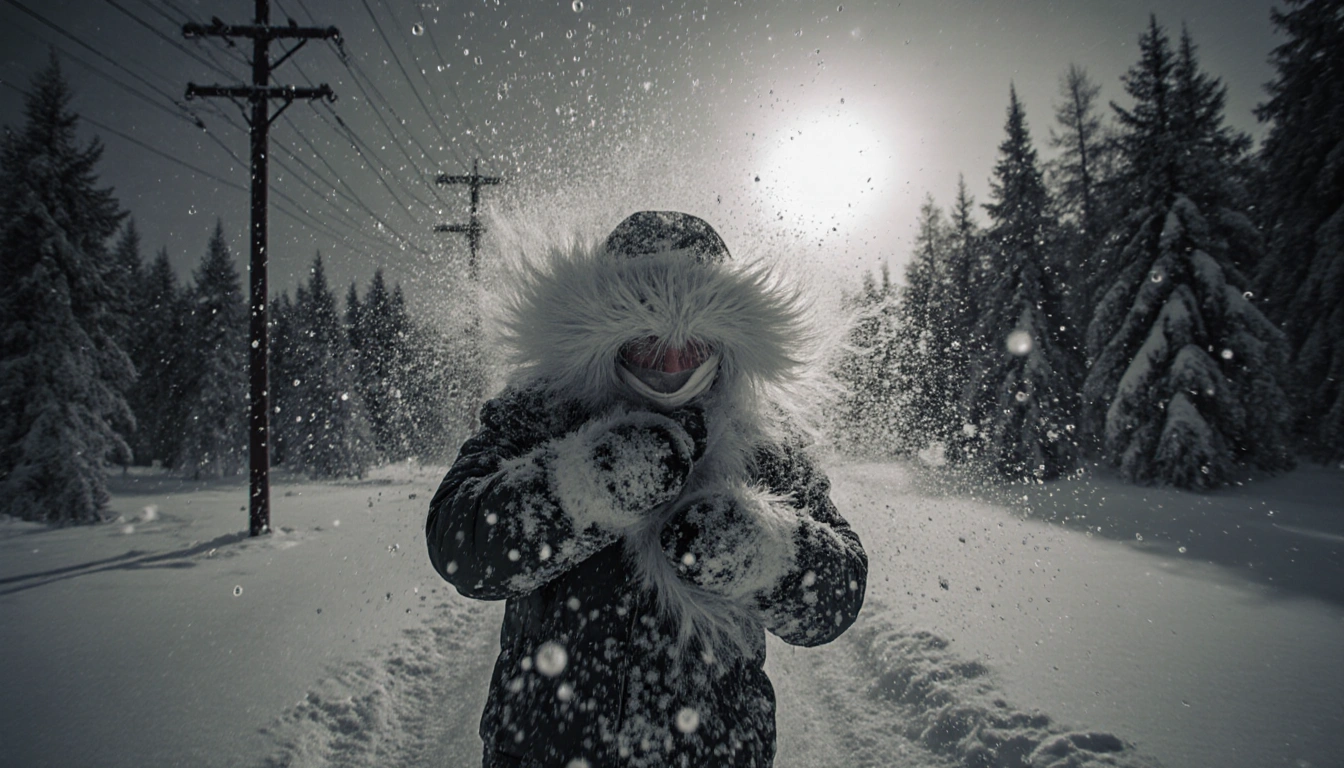
While the Pacific Northwest battled flood damage, a separate weather system brought dangerous wind‑chill values to parts of the Upper Midwest. Just before noon Saturday, Grand Forks, North Dakota, registered minus 12 degrees Fahrenheit (minus 24 degrees Celsius), with a wind‑chill that felt like minus 33 F (minus 36 C). Minneapolis and Chicago expected lows of minus 15 F (minus 26 C) and 1 F (minus 17 C) respectively by early Sunday, according to the National Weather Service.
The cold wave was expected to push south and east over the weekend, expanding into Southern states by Sunday. The National Weather Service issued cold weather advisories as far south as Montgomery, Alabama, where temperatures late Sunday night into Monday morning were projected to drop to around 22 F (minus 6 C). In Savannah, Georgia, lows were expected to fall to about 24 F (minus 4 C) during the same period.
Back in the Pacific Northwest, authorities warned that floodwaters would remain high for days, posing risks of levee failures or mudslides. Roughly 170 horses, 140 chickens and 90 goats were rescued and housed at a county park north of Seattle, according to Kara Underwood, division manager of Snohomish County Parks. “Most of those animals were still at the park on Saturday,” she said. The park remains a critical shelter as cleanup continues.
Key Takeaways
- Arctic air and heavy rainfall caused catastrophic flooding in Washington, forcing thousands to evacuate.
- Rescue teams performed boat rescues across newly formed lakes, capturing the event on video.
- The region faces ongoing risks of mudslides, levee failures, and a prolonged cleanup that will be costly and dangerous.
The Pacific Northwest remains in a state of recovery, with officials urging residents to stay vigilant as additional rain and wind are forecasted. The Upper Midwest continues to battle extreme wind‑chill, while the South braces for cold temperatures. Across the state, cleanup efforts are underway, underscoring the scale of the disaster and the resilience of the affected communities.