At a Glance
- Trump’s raid on Venezuelan oil assets could reshape U.S. oil market.
- Venezuela’s output is 1.1 million barrels per day, far below its 17 % global reserve share.
- Reviving the industry will need years and about $100 B in investment.
- Why it matters: It shows U.S. attempts to influence global oil supply and price dynamics.
President Donald Trump’s plan to seize control of Venezuela’s oil industry and invite American firms to revitalize it after capturing President Nicolás Maduro has sparked debate over its effect on oil prices. The move comes amid a deteriorated Venezuelan infrastructure and a global oil surplus. Analysts caution that any significant price shift will be slow.
Venezuela’s Oil State of Affairs
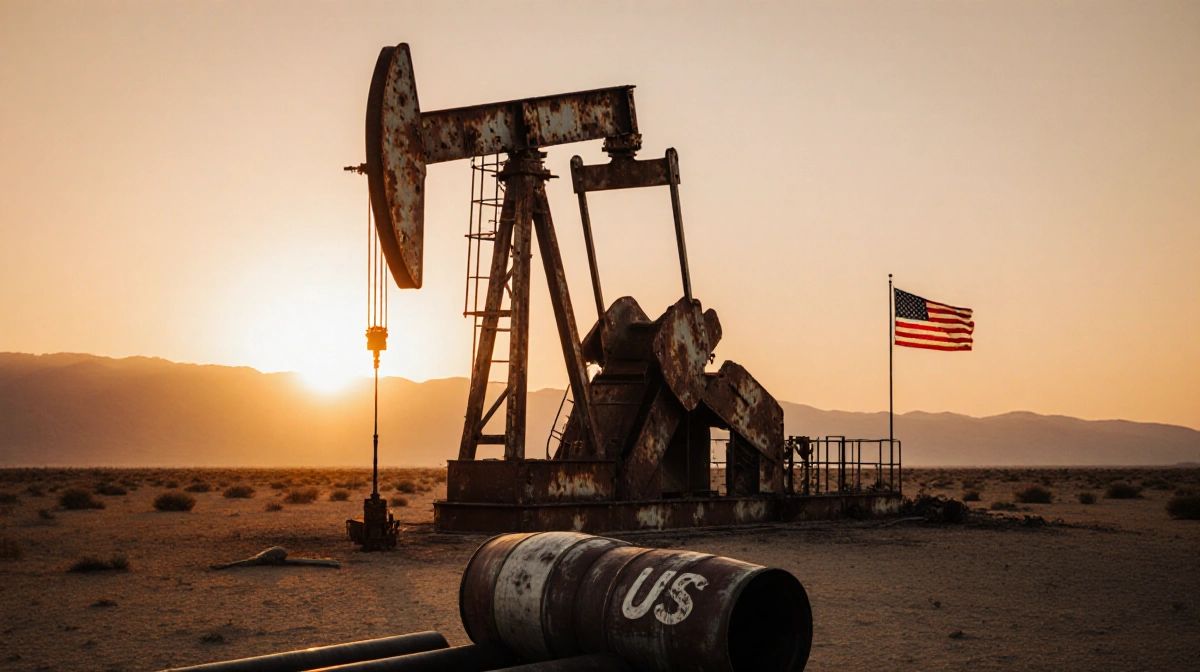
The country’s oil sector has suffered from years of neglect and sanctions, dropping from 3.5 million barrels per day in 1999 to about 1.1 million today. Its proven reserves, roughly 303 billion barrels, account for about 17 % of the world’s supply. Some analysts believe Venezuela could double or triple output quickly if investment and political stability are restored.
Patrick De Haan, lead petroleum analyst at GasBuddy, said:
> “While many are reporting Venezuela’s oil infrastructure was unharmed by U.S. military actions, it has been decaying for many years and will take time to rebuild.”
Phil Flynn, senior market analyst at Price Futures Group, added:
> “If it seems like the U.S. is successful in running the country for the next 24 hours, there would be optimism that U.S. energy companies could revitalize the Venezuelan oil industry fairly quickly.”
- Corruption, mismanagement, and sanctions have driven production decline.
- Political uncertainty remains after Trump’s claim of U.S. control.
- Companies need assurance of stable contracts before investing.
Market Reactions & Company Stance
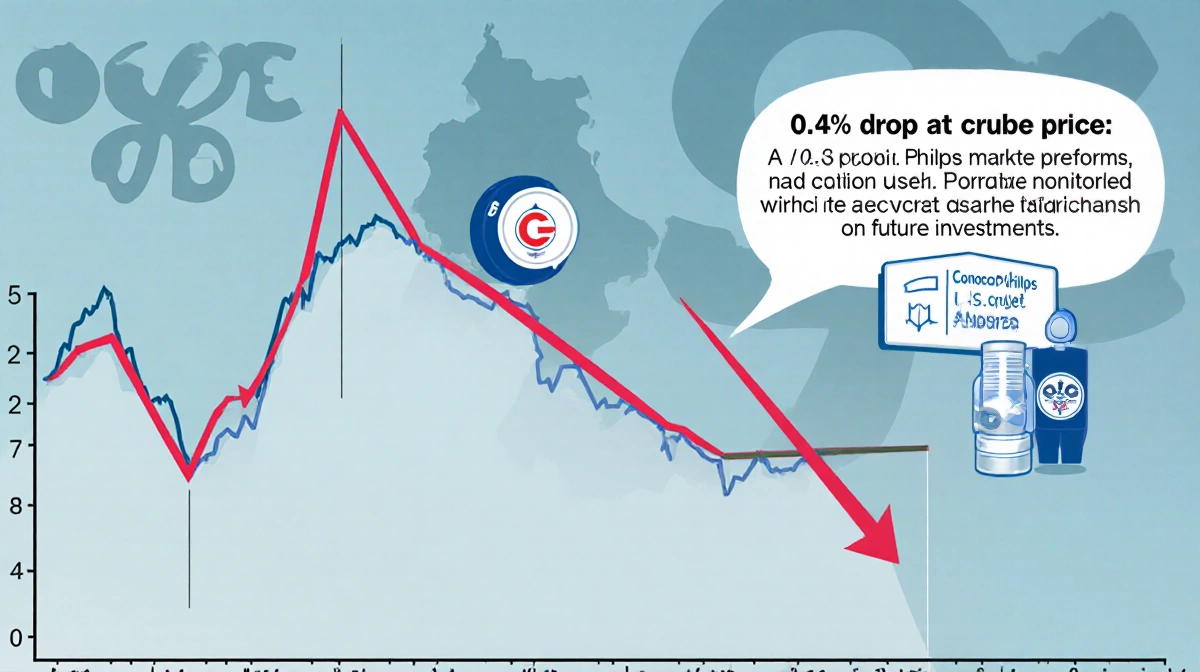
U.S. crude fell 0.44 % to $57.07 per barrel, and no major shift is expected because Venezuela is an OPEC member with surplus oil worldwide. ConocoPhillips said it is monitoring developments but would be premature to speculate on future investments.
Bill Turenne, Chevron spokesman, noted:
> “Chevron remains focused on the safety and wellbeing of our employees, as well as the integrity of our assets. We continue to operate in full compliance with all relevant laws and regulations.”
Francisco Monaldi, director of the Latin American energy program at Rice University, warned that:
> “The issue is not just that the infrastructure is in bad shape, but it’s mostly about how do you get foreign companies to start pouring money in before they have a clear perspective on the political stability, the contract situation and the like.”
| Metric | Current | Potential |
|---|---|---|
| Daily production | 1.1 million barrels | 4 million barrels |
| Investment needed | – | $100 B over a decade |
| Proven reserves | 303 billion barrels | – |
Matthew Waxman, Columbia law professor, highlighted legal challenges:
> “An occupying military power can’t enrich itself by taking another state’s resources, but the Trump administration will probably claim that the Venezuelan government never rightfully held them.”
Key Takeaways
- Trump’s raid may prompt U.S. oil firms to consider investing, but political stability is crucial.
- Reviving Venezuela’s oil output could lower global prices and pressure Russia.
- Legal and contractual uncertainties could delay investment for years.
While the immediate impact on oil prices is muted, the long-term effects hinge on political resolve and investment commitment.