At a Glance
- Trump pardoned about 1,500 Jan. 6 convicts on his second inauguration.
- Former Capitol Police Sgt. Aquilino Gonell says the pardons erase the violence he endured.
- Over 140 officers were injured during the January 6 attack.
- Why it matters: The pardon decision has sparked a national debate over justice, accountability, and the safety of law-enforcement officers.
On Jan. 20, 2025, President Trump’s second inauguration was followed by a wave of pardons that stunned former Capitol Police officers. Among them, Sgt. Aquilino Gonell, who was injured defending the West Front, says the move effectively wipes out the record of the violence he and his colleagues faced. The backlash has highlighted how the event continues to shape the lives of those on the front lines.
The Pardon Decision
President Trump announced that he had pardoned roughly 1,500 people convicted for their actions on Jan. 6. The list included rioters who had personally injured Gonell and other officers. The pardons were delivered through federal prosecutors, FBI agents and the Bureau of Prisons, according to Gonell’s phone messages.
Gonell stated:
> “They told me that people I testified against were being released from prison… And to be mindful.”
The Aftermath for Officers
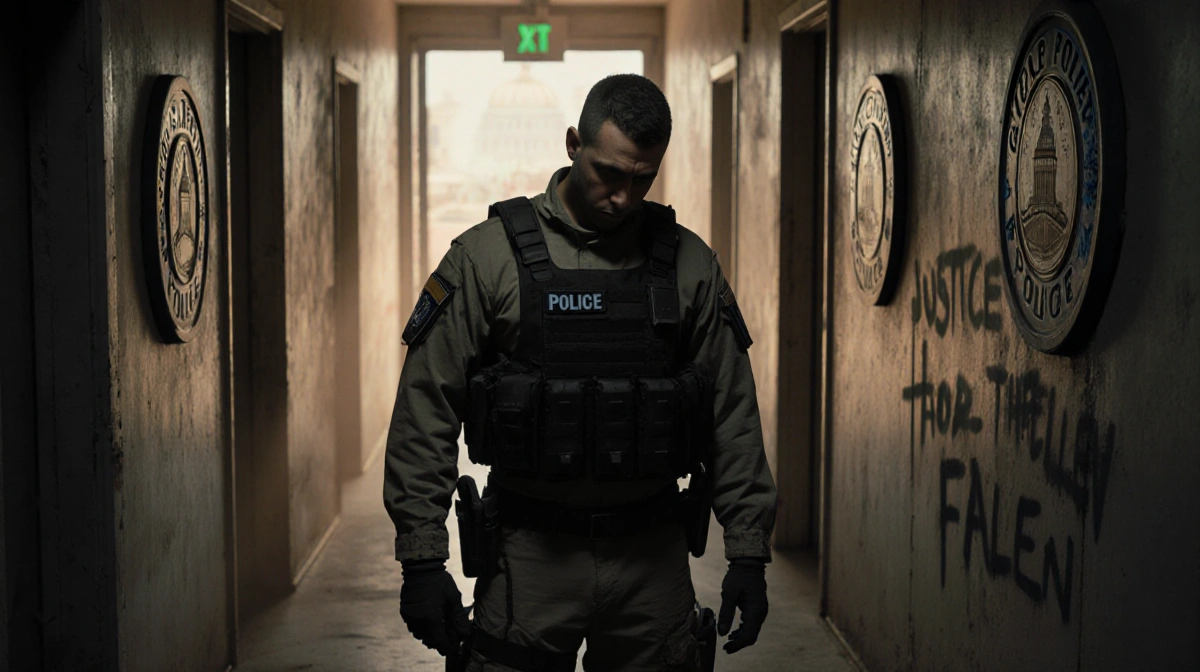
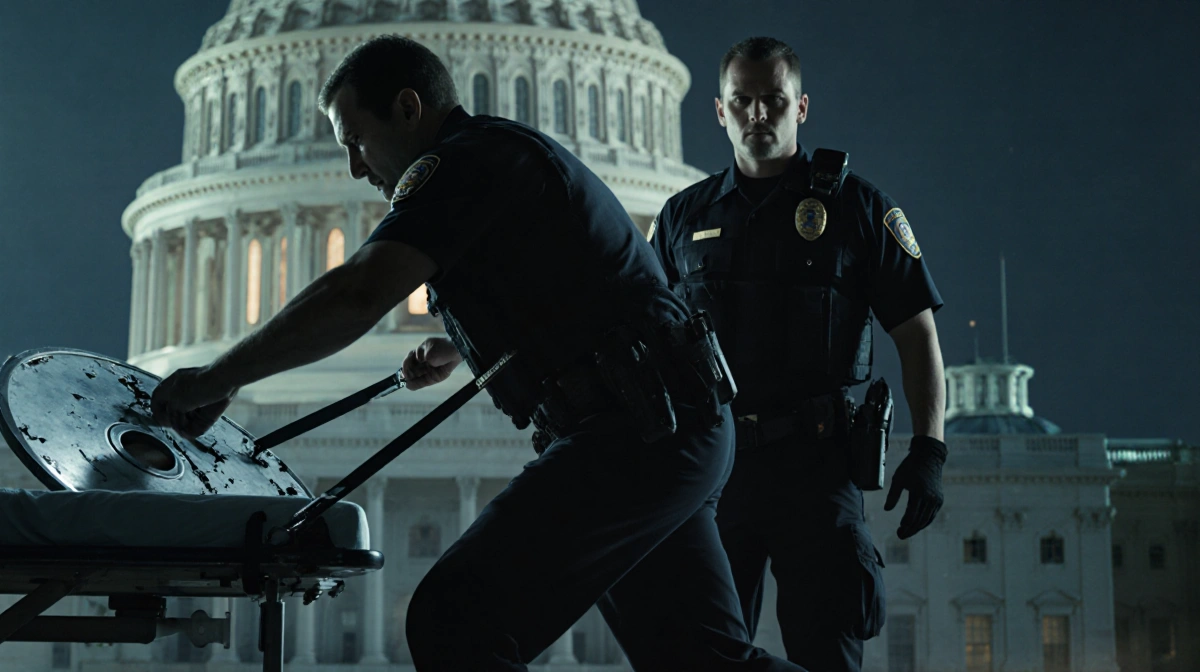
Gonell, who was dragged by shoulder straps and nearly suffocated while defending the Capitol, has suffered long-term injuries to his shoulder and foot. He says the pardons have helped erase the memory of the attack, costing him his career and health. Officer Daniel Hodges, another survivor, notes that the situation has only worsened since the pardon.
- Over 140 officers injured during the riot.
- Gonell’s injuries still linger.
- Hodges reports increasing difficulties for police.
Departmental Response
Former Capitol Police Chief Thomas Manger, who took over six months after the riot, noted that officers were angry at the lack of equipment and training. He has since implemented wellness services and upgraded training, equipment, and intelligence. Manger says the Capitol is now “a great deal safer” than it was during the attack.
| Aspect | Before | After |
|---|---|---|
| Wellness services | None | Established |
| Training | Limited | Enhanced |
| Equipment | Insufficient | Upgraded |
| Intelligence | Minimal | Expanded |
These changes aim to prevent a repeat of the January 6 chaos.
Key Takeaways
- Trump’s pardon of 1,500 Jan. 6 convicts has sparked a debate over justice.
- Former officers claim the pardons erase the violence they endured.
- Departmental reforms have improved safety and support for officers.
The pardon decision has left former officers grappling with trauma and a sense of injustice, underscoring the enduring impact of the January 6 attack and the need for accountability.