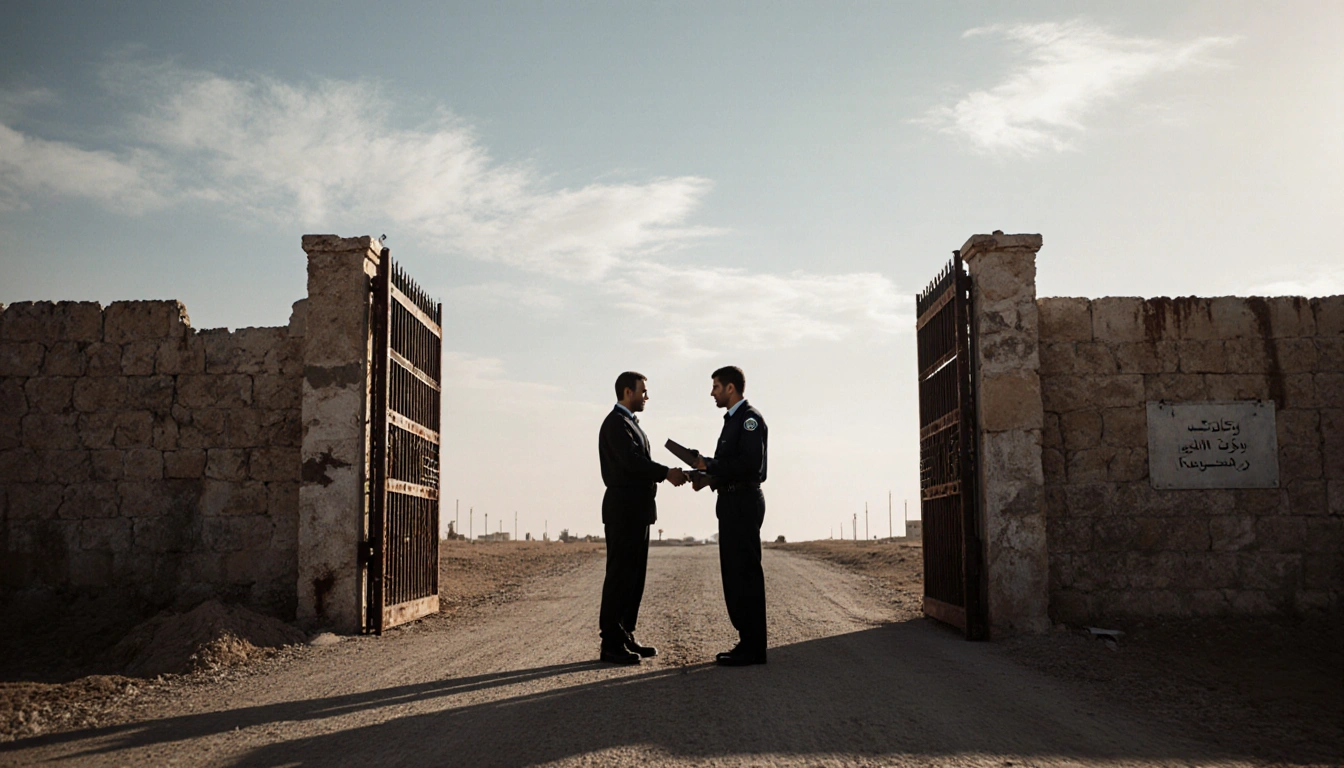
A ceasefire that began in October is holding, but President Trump is set to announce a shift to the second phase of his Gaza peace plan in early 2026. The move hinges on Hamas surrendering weapons and relinquishing control of the Strip, a requirement still unmet.
Trump’s 2026 Transition
U.S. officials say the president hopes to reveal the transition this month, with a meeting scheduled with Israeli Prime Minister Benjamin Netanyahu on Dec. 29 to discuss next steps. The first phase of the plan—completed with the return of all but one deceased Israeli hostage—has set the stage for the next stage, which would see Israel withdrawing further from Gaza.
The plan, endorsed last month by United Nations Security Council resolution 2803, remains shrouded in uncertainty. Norwegian Foreign Minister Espen Barth Eide warned at the Doha Forum that the plan “says many of the right things, but it’s not very clear what happens first and what happens next.” He added that progress this month is essential or the countries risk a return to war or “descent into total anarchy.”
Trump announced on Wednesday that he will name the “Board of Peace” early next year. The board will oversee a yet‑to‑be‑created Palestinian technocratic government that will provide infrastructure, water, education and health services. Trump has taken on the role of chairman and said the board will include “heads of the most important countries.”
The Disarmament Dilemma
Kobi Michael, a senior researcher at the Institute for National Security Studies (INSS) and the Misgav Institute, argues that “the main problem, which actually overlaps all the dimensions – political, security – is the idea that Hamas must be disarmed, dismantled and the Gaza Strip must be demilitarized.” He warned that if these conditions are not met, “nothing will happen.”
Hamas has sent mixed signals. Bassem Naim, a member of Hamas’s decision‑making political bureau based in Doha, told the Associated Press Sunday that Hamas is ready to discuss “freezing or storing” its weapons. In a Monday interview with Al‑Monitor, Naim offered two options: surrender weapons to a future Palestinian state, or begin decommissioning under a truce of five to ten years that guarantees Israel will not resume war.
Danield Shapiro, former deputy assistant secretary of Defense for the Middle East during the Biden administration, urged Trump to use his influence with Turkey and Qatar to pressure Hamas to comply with the 20‑point peace plan. Shapiro, now a distinguished fellow with the Atlantic Council’s Scowcroft Middle East Security Initiative, said on the J Street Podcast that “the Qataris and the Turks are still the essential player to get Hamas to do that, whether they agree to do it instantaneously or whether they agree to do it in some moderately phased period.”
Israel distrusts Qatar and Turkey’s role in overseeing Hamas’s elimination, citing their support for the U.S.‑designated terrorist group. Michael added that “Turkey and Qatar are the biggest providers and supporters of Hamas. They do not intend to enable the disarmament of Hamas. On the contrary, they want Hamas to remain as a relative and influential player in the Gaza Strip and beyond.”
Mike Waltz, U.S. Ambassador to Israel, told Israel’s Channel 12 on Thursday that “there are intensive conversations with Netanyahu around what role Qatar and Turkey may play.”
Governance, Security and the International Stabilization Force
The ceasefire split Gaza in half: Israel controls 53 percent (east, southern Rafah and part of the north) while Hamas controls 47 percent. Israel has marked a “yellow line” with colored concrete blocks, a flashpoint for ongoing violence. UN human rights chief Volker Türk said in Geneva on Wednesday that Israel is shifting the yellow‑line boundary, causing confusion for Palestinians trying to cross. He cited Gaza health authorities for 360 Palestinians killed and 922 injured, without distinguishing militants from civilians.
Michael explained that Israel’s preferred scenario is to use the area it controls as a testing ground for phase two. In that zone, Israel would keep overriding security control while a technocratic Palestinian administration is set up, overseen by the Board of Peace, with security carried out by an International Stabilization Force (ISF) alongside newly trained Palestinian police.
The Atlantic reported last month that the U.S. was planning to pilot “Alternate Safe Communities,” admitting vetted Gazans to live in fabricated villages with homes, schools and health facilities. Michael argued that if stability is secured in the east, Israel will have the legitimacy and backing of the American administration to resume military operations against Hamas in the west and then allow the governance structure in the east to expand westward.
The second phase’s key element is Israel’s further withdrawal and the deployment of the ISF. Trump reportedly intends to assign a two‑star American general to lead the force, but potential members are holding back commitments without clear answers. Waltz said the ISF will be authorized to disarm Hamas by “all means necessary,” though the U.S. is having a conversation with each country that signs up about such tasks.
Reuters reported on Friday that the U.S. is not demanding the ISF disarm Hamas and wants the force deployed by January, citing two unnamed U.S. officials. Countries that have pledged troops are still seeking more details.
Rico Sirait, spokesperson for the Indonesian Defence Ministry, said Indonesia is prepared to deploy 20,000 troops but is focusing on health and construction in Gaza. He told Reuters that “it is still in the planning and preparation stages” and that the country is “now preparing the organizational structure of the forces to be deployed.”
Cypriot Foreign Minister Constantinos Kombos said Cyprus is considering committing troops but is waiting for more clarity on the force’s mandate and rules of engagement, according to an interview with Al‑Monitor.
An unnamed senior Azeri official told The Times of Israel that Azerbaijan has not decided whether to join the ISF, despite being named as an early partner. Among their concerns is a pathway to Palestinian statehood, something that the UN Security Council Resolution 2803 endorses but does not explicitly require.
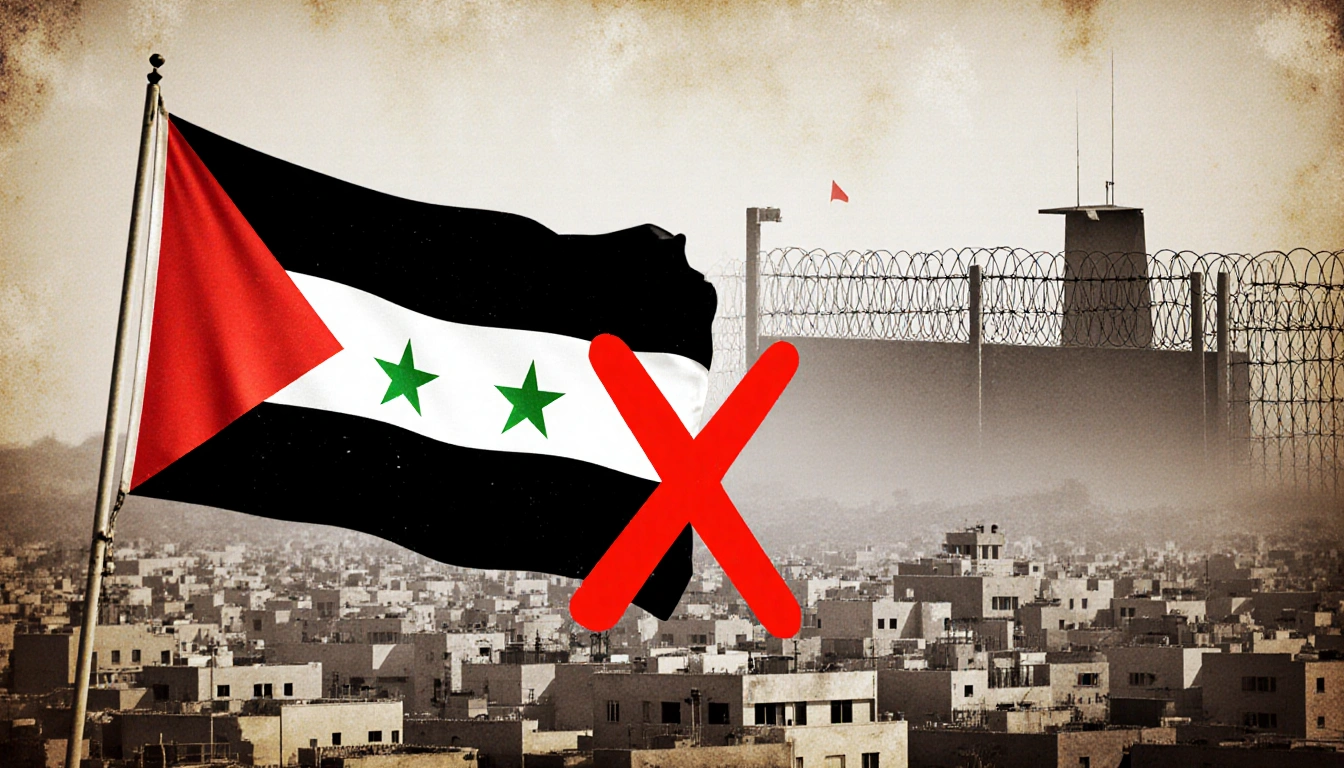
Saudi Arabia stresses the need for a pathway to a Palestinian state as the only way to ensure durable peace and as a precondition for diplomatic ties between Israel and Riyadh. Manal Radwan, head of the negotiation team at the Saudi Ministry of Foreign Affairs, said at the Doha Forum that “the ultimate objective is security for all, it is regional integration, which is embedded in the realization of a Palestinian state.” She added, “If we don’t have that in mind, then there is no plan in the world that will be able to drive us, not only from one stage to the next, but also to prevent another spiral of violence.”
Key Takeaways
- Trump plans to announce the second phase of his Gaza peace plan in early 2026, contingent on Hamas disarming and relinquishing control.
- Israel, the U.S., and international partners face uncertainty over the timeline and specifics of the transition, with key questions about the International Stabilization Force’s mandate.
- Disarmament of Hamas remains the central obstacle; Hamas’s mixed signals and the involvement of Turkey and Qatar complicate efforts.
The coming months will test the feasibility of moving beyond the ceasefire, as diplomatic, security, and governance challenges converge on the Gaza Strip.