At a Glance
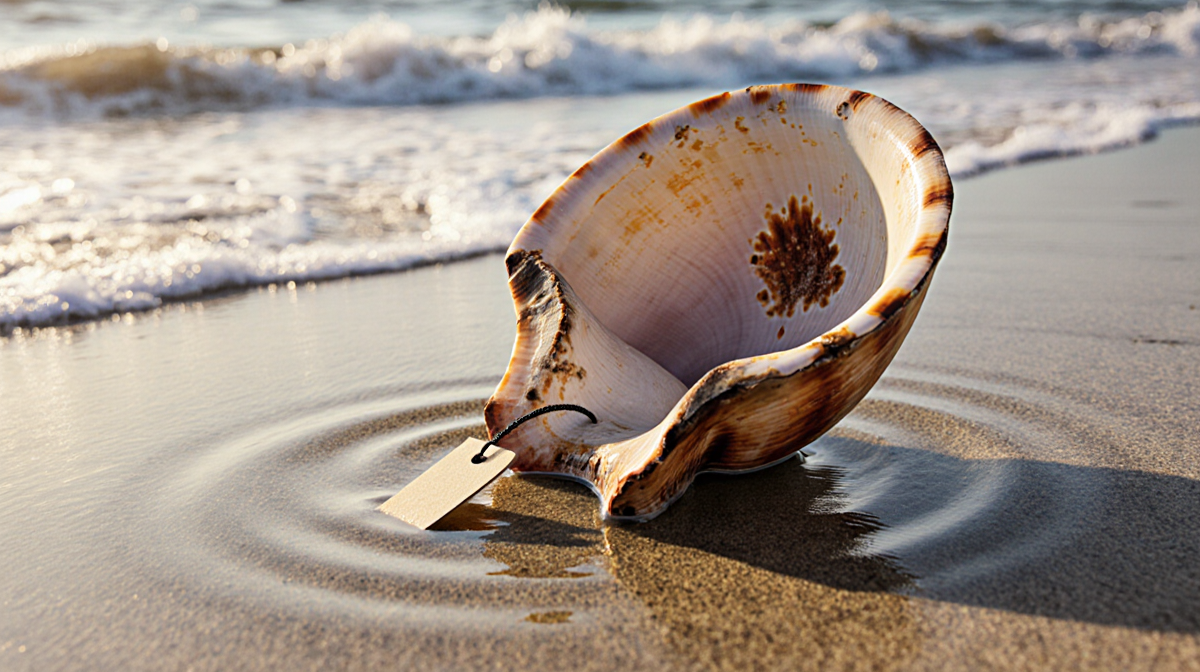
- A shell fragment with a white-and-red tag was found at Mettams Pool, prompting a social-media investigation.
- The tag belongs to a research program that released 7,000 abalone along the Western Australia coast.
- Each tagged abalone carries a unique number, such as 5247, linked to detailed life-history data.
- Why it matters: The find highlights how citizen science and government research intersect to monitor marine life.
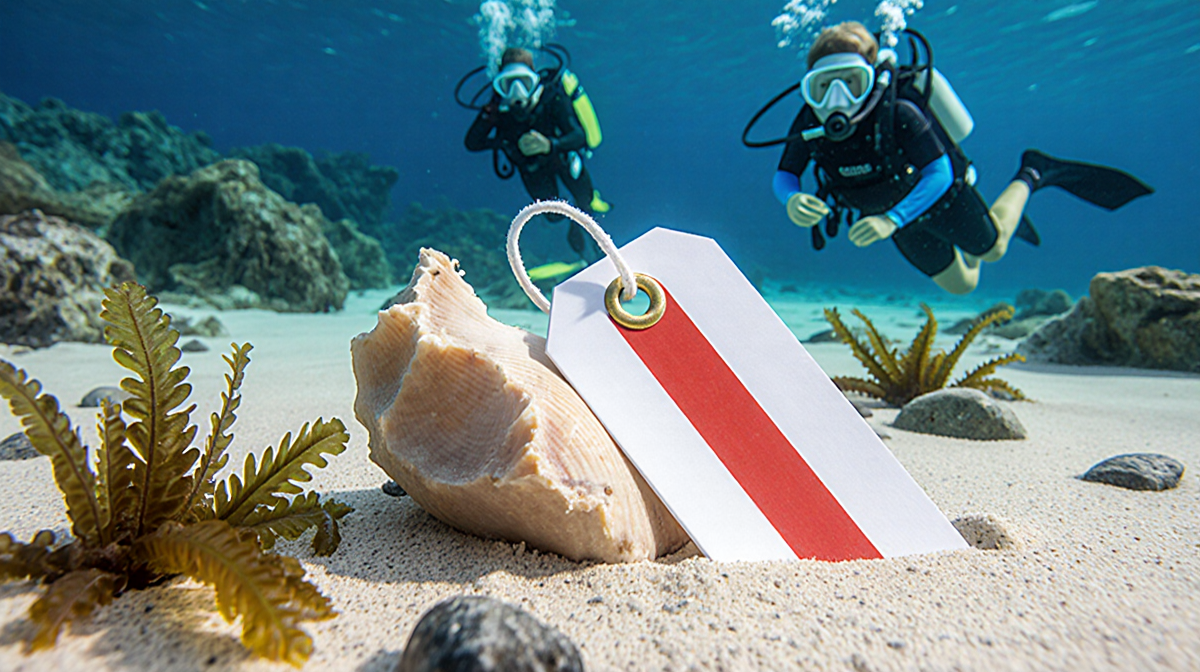
A recent post on a local Facebook group sparked curiosity about a mysterious shell fragment with a distinctive tag. The discovery led to a broader conversation about a long-running abalone tagging program run by the Department of Primary Industries and Regional Development (DPIRD) in Western Australia.
Context
Mettams Pool, a lagoon north of Perth popular with snorkelers, is the site where Elisha Tess Blott noticed the fragment. The tag, white with a red stripe, is not a parking-spot reminder but a tracking device used in a research initiative.
DPIRD has been involved in marine conservation for decades. A few years ago, the department released about 9,000 abalone that had been tagged and recorded. The program aimed to understand growth, survival, and movement patterns of these marine snails.
The tagged abalone are roe abalone, a species known for its beautiful mother-of-pearl shells. The tagging system allows researchers to monitor each individual’s life history.
> “DPIRD will take stock of Abalone and a couple years ago about 9,000 were tagged, recorded and after a period of time released at reefs all along the WA coast,” a helpful Facebook user replied to Blott’s post.
Tagging Process
The tagging device is a stainless-steel spring mounted on the growing edge of the shell. It is secured by the shell’s growth over the spring, ensuring the tag stays attached for the abalone’s lifetime.
> “The numbered tag is mounted on a stainless spring that was placed onto the growing edge of the abalone shell,” said Jamin Brown, a research scientist at DPIRD.
After tagging, the abalone were kept in hatchery tanks for several months. This period allowed the shell to grow over the spring, securing the tag in place.
> “After tagging, the abalone were left in our hatchery tanks for several months in order for the shell to grow over the spring and therefore securing the tag in place,” Brown added.
Each tag contains a unique number, such as 5247 in Blott’s case. The number links to a database entry that records:
- Date of birth
- Length and age at tagging
- Release date and location
The database allows scientists to track growth and survival rates across the WA coast.
> “The tag numbers are linked to records in our database that contain key information about each individual abalone,” Brown told Yahoo News.
While the tagging program has ceased, DPIRD continues to monitor the released abalone through the database.
How to Report a Tag
If you find a tag or a tagged abalone, DPIRD requests that you provide specific information:
- Exact location and time of discovery
- A photograph that clearly shows the numbered tag and the shell next to a ruler for scale
You can submit this information through a form on the DPIRD website. The data helps researchers confirm the presence and movement of tagged individuals.
> “For those of you in the area, should you spot one of these tags, or tagged abalone, you should reach out to the DPIRD through this form with information regarding when and where it was discovered and a pic that includes a visible numbered tag and the shell close to a ruler,” said Brown.
Key Takeaways
- The white-and-red tag is part of a research program that released 7,000 abalone along the WA coast.
- Each tag is a stainless spring with a unique number linked to a database of life-history data.
- DPIRD continues to track tagged abalone even after the tagging program ended.
- Citizens can help by reporting sightings, providing clear photos and location details.
The social-media discovery demonstrates how public engagement can bring attention to scientific monitoring efforts and support marine conservation.