
As the holiday season rolls in, many Austinites look forward to festive cheer, while others brace for a different kind of chill: cedar pollen.
Cedar Pollen in Austin: When the Season Begins
KXAN’s pollen counter has shown low amounts of cedar pollen since Thursday, but even these modest numbers can trigger symptoms for sensitive individuals. The cedar season in Austin and Central Texas usually runs from December through February, with a peak in mid‑January when counts can reach the hundreds or even thousands. Cedar pollen can linger into early March, though by that time the numbers tend to drop.
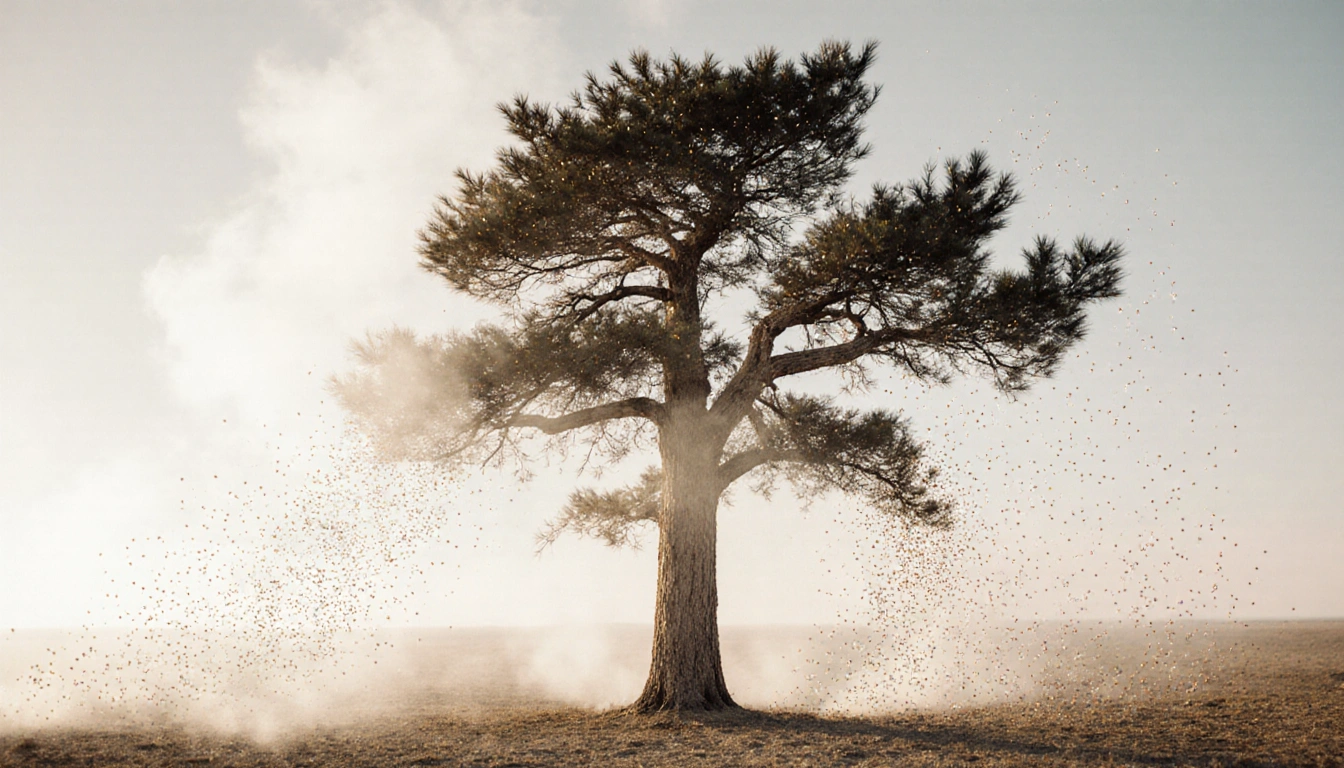
Most of Central Texas’ Ashe Juniper trees, the source of the pollen, are found in the Hill Country, west of I‑35. These native trees release a massive amount of pollen each winter, making the air look smoky and turning the season into a true “cedar fever” outbreak.
Why Cedar Pollen Is So Debilitating
Cedar trees are evergreen with waxy needles that withstand cold temperatures and prevent moisture loss, so they don’t freeze. This design allows a single male tree to release billions of tiny pollen grains that drift as smoke‑like clouds. When a cold front brings dry, windy conditions, these grains can travel several miles.
Because cedar pollen is released during a time when many other allergens are dormant, it can attack the body all at once from December to February. The sheer volume of pollen and the timing of its release make the symptoms especially severe.
Symptoms of Cedar Fever
People who suffer from cedar fever may experience a range of uncomfortable symptoms, including:
- Fatigue
- Headaches
- Itchy, watery eyes
- Runny and/or stuffy nose
- Sneezing
- Sore throat
- Cough
- Facial pressure
- Partial loss of smell
- Plugged ears
A fever can occur, but it is rare. The symptoms can feel overwhelming, as if one has been hit by a truck.
Managing Cedar Fever: What Doctors Recommend
If you are new to the area or have never dealt with cedar pollen, it is best not to self‑diagnose. A qualified allergist can confirm the cause of your symptoms. Treatments typically start with over‑the‑counter options:
- Antihistamines
- Nasal steroids
For more severe cases, allergy shots may be recommended. These shots should begin before the season starts, and many patients mistakenly stop maintenance once they feel better. Continuing the shots is important for lasting relief.
Nasal saline rinses are also helpful for reducing sneezing, congestion, and itching.
While Texas honey may soothe a sore throat, it does not help with cedar pollen because the pollen is wind‑borne from the Ashe Juniper tree, not collected by bees.
Tips for Residents and Visitors
- Stay Weather Aware: KXAN meteorologists often advise staying “Weather Aware,” especially during the spring storm season. This guidance applies during the cedar season as well.
- Monitor Pollen Forecasts: Knowing when strong winds will blow can help you anticipate higher cedar counts.
- Use the 24‑Hour Moving Average: KXAN.com provides a 24‑hour moving average of pollen counts, which can help you plan outdoor activities.
- Take Medical Precautions: Proper medication and nasal rinses can transform a frightening season into a manageable one.
Key Takeaways
- Cedar pollen season in Austin runs Dec‑Feb, peaking mid‑January.
- Ashe Juniper trees release billions of pollen grains that can travel miles.
- Symptoms include fatigue, headaches, itchy eyes, and more; treatment starts with OTC meds and may progress to allergy shots.
The weather outside can feel frightful during the cedar season, but with the right medical precautions and awareness, it can also be the most wonderful time of the year.
Closing Thoughts
For many Austinites, the holiday season is a time of joy. For others, it brings the challenge of cedar pollen. By staying informed through KXAN’s pollen counter, following medical advice, and monitoring weather and pollen forecasts, residents and visitors can navigate the season with confidence and comfort.