At a Glance
- Austin’s hottest January average: 59.9 °F in 1923
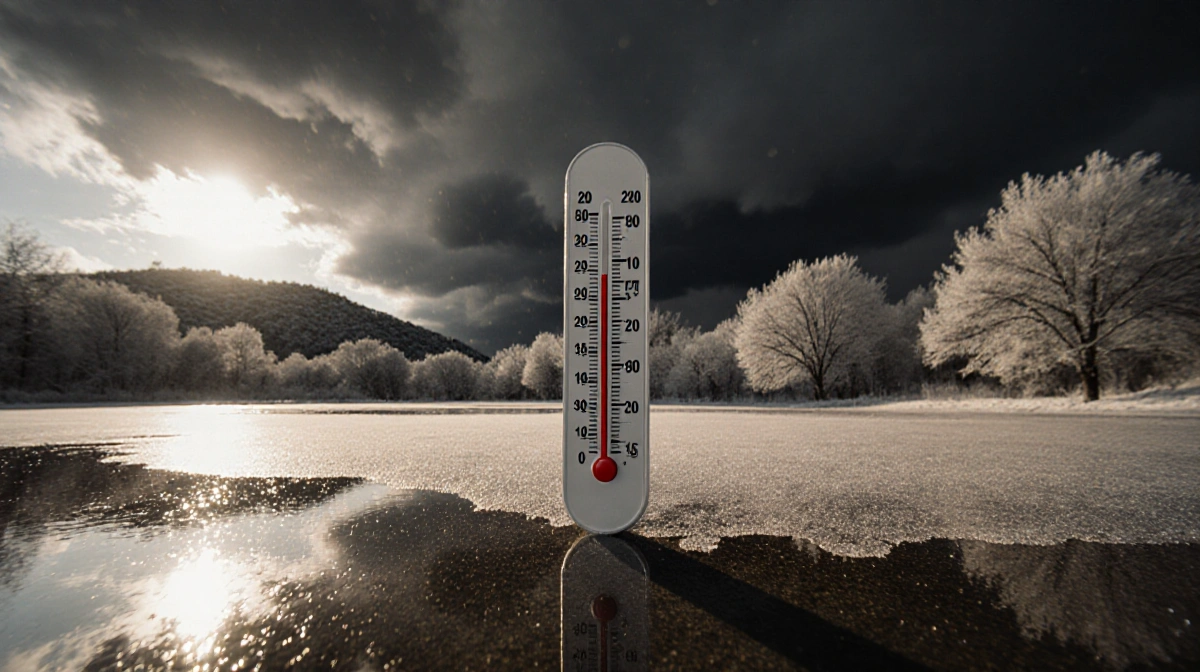
- Record coldest January day: -2 °F on Jan 31 1949
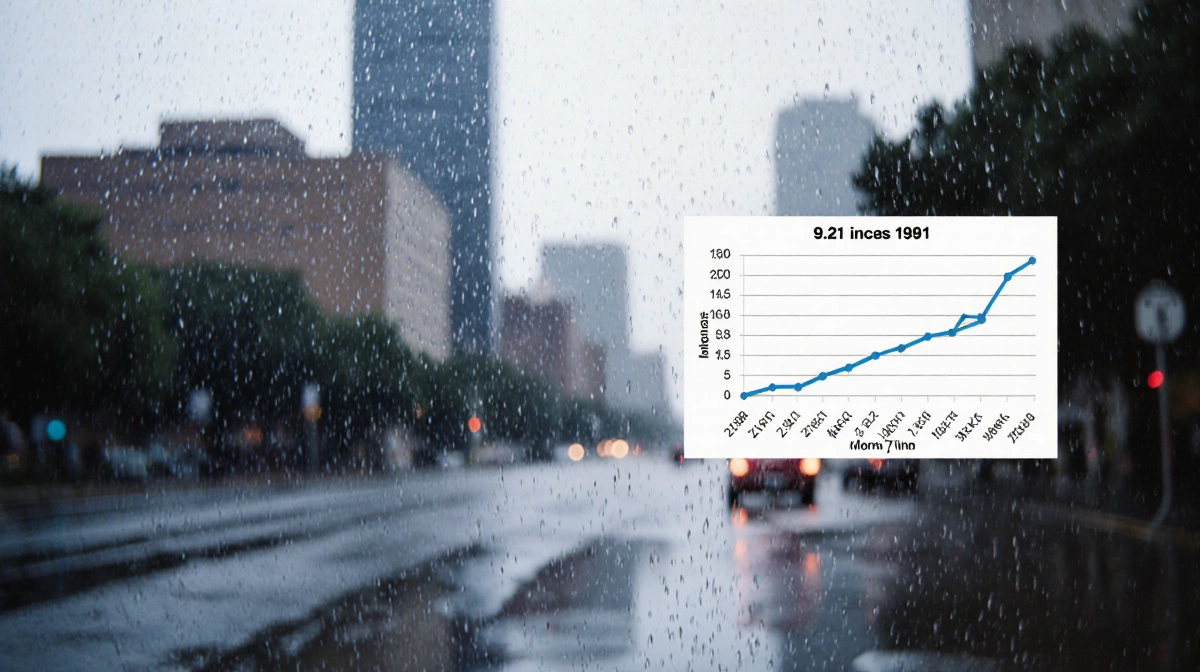
- Wettest January ever: 9.21 in of rain in 1991
Why it matters: These extremes show how unpredictable Austin’s January weather can be, affecting local planning and residents’ daily lives.
Austin’s January weather has swung from scorching to bone-chilling, and the city’s rain gauge has recorded some truly unusual totals. In this snapshot, News Of Austin highlights the record highs, lows, and rainfall that have marked the month’s most extreme years.
January Temperature Records
The average January temperature in Austin is normally 52.2 °F, but the 1923 month broke that pattern with an average of 59.9 °F.
- Hottest January day: Jan 30 1971, high 90 °F
- Coldest January day: Jan 31 1949, low -2 °F
- Second-coldest day: Jan 30 1949, low 4 °F
January Rainfall Records
Typical January rainfall is 2.64 in, yet 1991 delivered 9.21 in, more than triple the norm.
- Wettest January day: Jan 9 1991, 4.41 in
- Other days with >3 in: four additional days
| Metric | Typical | Record Hot | Record Cold |
|---|---|---|---|
| Avg Temp (°F) | 52.2 | 59.9 (1923) | 39.3 (1930) |
| High Temp (°F) | 62.5 | 90 (1971) | – |
| Low Temp (°F) | 41.8 | – | -2 (1949) |
| Rainfall (in) | 2.64 | 9.21 (1991) | – |
These records illustrate the range of weather Austin can experience in a single month.
Key Takeaways
- 1923’s average temperature set a new record at 59.9 °F.
- The coldest January day hit -2 °F in 1949.
- 1991’s rainfall totaled 9.21 in, a dramatic spike over the 2.64 in norm.
Austin’s January extremes underscore the city’s vulnerability to both heat and cold, reminding residents and planners alike to prepare for the unexpected.