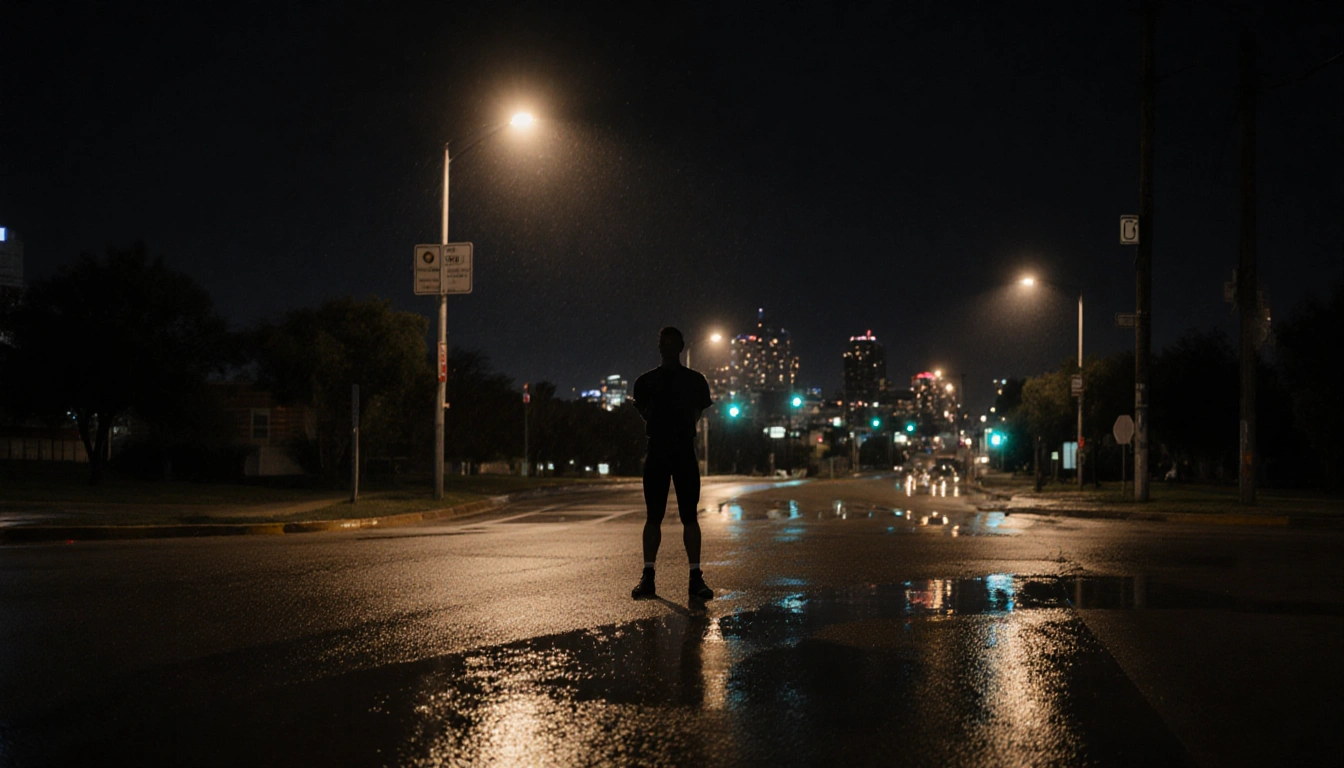
500 people are seriously hurt or killed in Austin crashes each year, but the city’s Vision Zero initiative is turning that number down.
What Vision Zero Means for Austin
Vision Zero began a decade ago as a goal to eliminate serious injury and fatal crashes on Austin roads. The program focuses on changing infrastructure, improving lighting, and installing safety devices at high-risk intersections.
How the Program is Funded
The initiative’s budget comes from several sources:
- $15 million from the 2015 mobility bond approved by voters.
- Another $15 million from the 2018 mobility bond.
- $65 million from the 2020 mobility bond.
- Additional grant funding.
Together, these investments total $134 million committed to making Austin roads safer.
Recent Lighting Projects
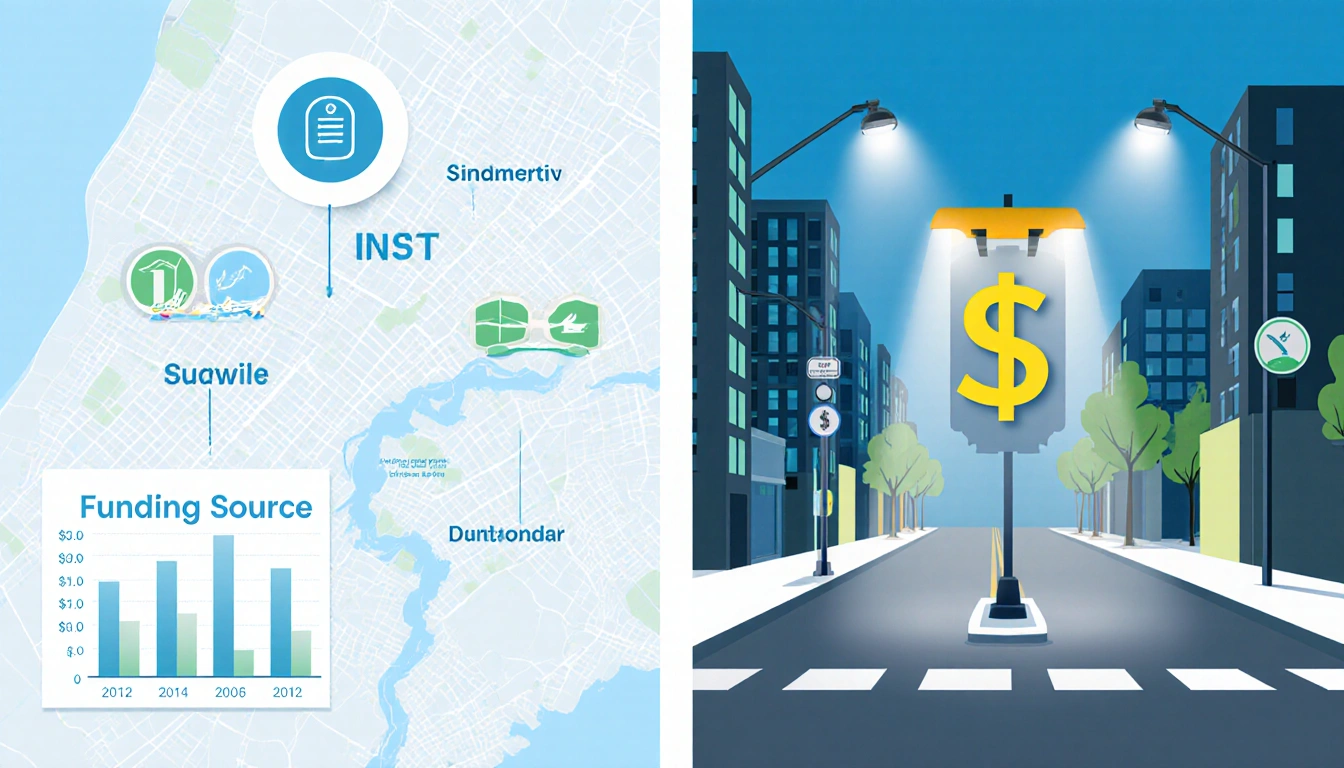
The city announced that the Vision Zero 2018 Bond Projects are now complete. The work added new lighting to improve nighttime safety.
Pearce Lane Improvements
New streetlights were installed on Pearce Lane in southeast Austin at 13 intersections that have historically seen a high number of crashes. The lighting upgrades include:
- New poles and streetlights.
- Existing lights upgraded to LED bulbs for brighter illumination.
McNeil Drive Enhancements
As part of the Highway Safety Improvement Program, the city added new street lighting along McNeil Drive from U.S. Highway 183 to Parmer Lane. The upgrade follows the same LED and pole improvements used on Pearce Lane.
Investment Breakdown
The 2018 bond alone provided $11 million for nine intersection safety projects and over eight miles of lighting improvements. These projects were chosen for their high crash rates and potential impact.
Measurable Impact
Data collected after the lighting upgrades shows a significant improvement in safety. At the 13 improved intersections on Pearce Lane, serious injury and deadly crashes dropped by 38%.
How the Numbers Translate
A 38% reduction in serious crashes means:
- Fewer hospital admissions for traffic injuries.
- Lower emergency response costs.
- Reduced traffic congestion during nighttime.
Community Response
Residents in the affected neighborhoods report feeling safer walking or biking at night. Local businesses also note increased foot traffic during evening hours.
Future Plans
Austin plans to continue expanding Vision Zero projects. Upcoming priorities include:
- Adding more LED lighting to other high-crash intersections.
- Installing pedestrian crossing signals.
- Conducting community outreach to educate drivers.
Key Takeaways
- Vision Zero has cut serious crashes by 38% at 13 upgraded intersections.
- $134 million from mobility bonds and grants funds the program.
- LED lighting upgrades are a major contributor to nighttime safety.
Closing Thoughts
Austin’s Vision Zero initiative demonstrates how targeted infrastructure investments can dramatically improve road safety. With continued funding and community engagement, the city aims to keep reducing serious injuries and fatalities on its streets.