
On Thursday, the Bank of England lowered its key interest rate to 3.75%, the first cut in four months, after inflation data showed a slowdown.
Rate Cut Decision
The Monetary Policy Committee voted 5-4 to reduce the base rate by a quarter of a percentage point, bringing it to 3.75%. The move marks the lowest rate since February 2023.
Inflation and Labour Market
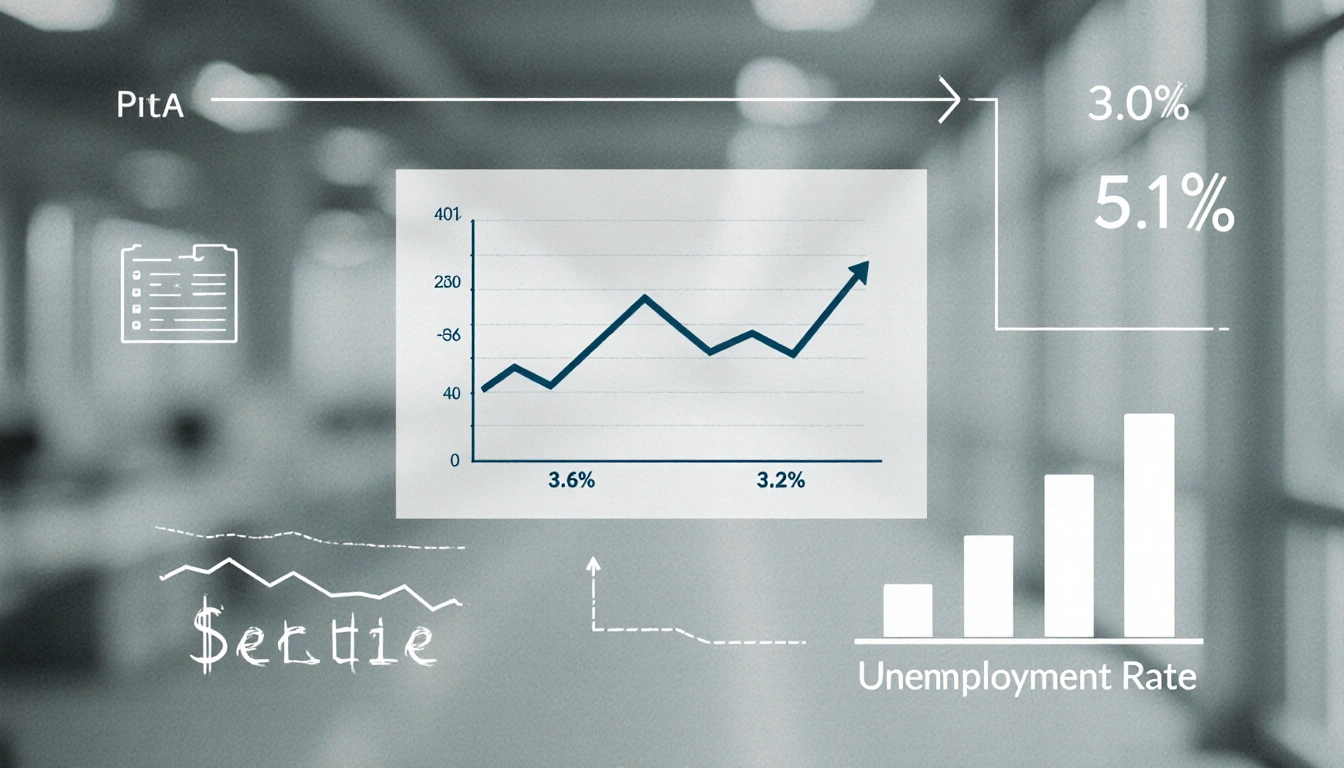
The Office for National Statistics reported that consumer price inflation slowed to 3.2% in the 12 months through November, down from 3.6% a month earlier. That figure was below the Bank of England’s forecast of 3.4%. Earlier this week, statistics showed a weakening jobs market: the number of job vacancies declined and the unemployment rate rose to 5.1%, the highest since January 2021. “Unemployment, underemployment and flows from employment to unemployment have all risen,” Bank of England Gov. Andrew Bailey said in a statement. “While I do not yet see conclusive evidence of a sharper downturn in the labor market, we should be vigilant.”
Broader Context
Inflation remains well above the Bank of England’s 2% target. British consumer prices are rising faster than in other parts of Europe and North America. The inflation rate in the 20 euro-zone countries was 2.1% in November, while the U.S. rate was 3.0% in September, the latest figures released because of the government shutdown. Lower interest rates can spur economic growth by reducing borrowing costs, but they can also fuel higher prices. Central bankers must balance these competing forces to avoid eroding the value of earnings and savings without unnecessarily slowing growth.
Key Takeaways
- The Bank of England cut its key rate to 3.75% in a 5-4 vote.
- Consumer price inflation fell to 3.2% in November, below the bank’s forecast.
- Unemployment rose to 5.1%, the highest level since January 2021.
The decision reflects the bank’s effort to support a stagnant economy while still confronting inflation that remains above target.