Belarus freed 123 political prisoners on Saturday, a move that followed two days of talks with Washington aimed at easing U.S. sanctions on the country’s potash industry. The release, announced by President Alexander Lukashenko, came as the U.S. lifted restrictions on the Eastern European nation’s key fertilizer export.
The Deal
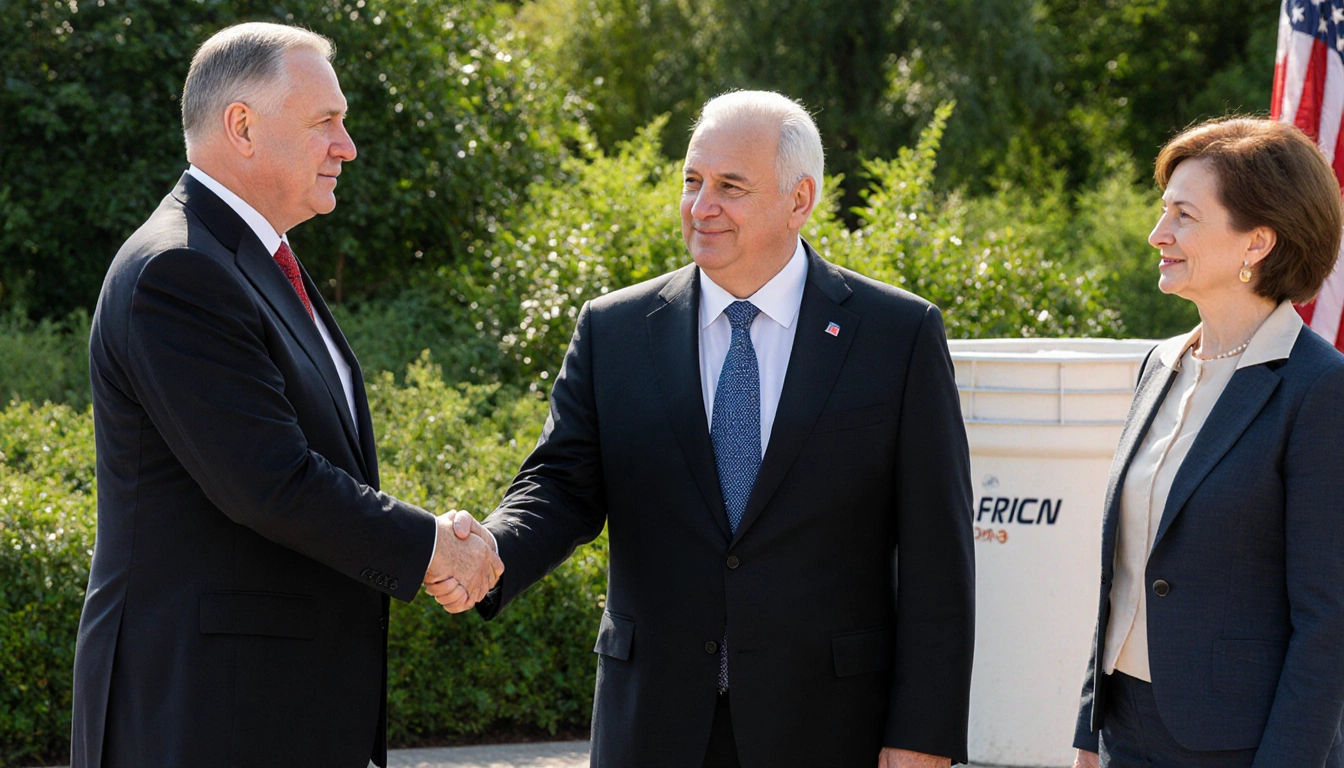
President Lukashenko pardoned 123 inmates, according to Belarus’ state news agency, Belta. In exchange, the United States said it would remove sanctions on Belarus’ potash sector. John Coale, the U.S. special envoy for Belarus, described the talks to reporters as “very productive” and said normalizing relations between the two countries was “our goal.” He added that the relationship was moving from “baby steps to more confident steps” as dialogue increased.
The freed prisoners included a U.S. citizen, six citizens of U.S. allied countries, and five Ukrainian nationals. A U.S. official, speaking anonymously in an email, called the release a “significant milestone in U.S.-Belarus engagement” and a “yet another diplomatic victory” for President Donald Trump. The official noted that Trump’s engagement had “led to the release of over 200 political prisoners in Belarus, including six unjustly detained U.S. citizens and over 60 citizens of U.S. Allies and partners.”
Notable Releases
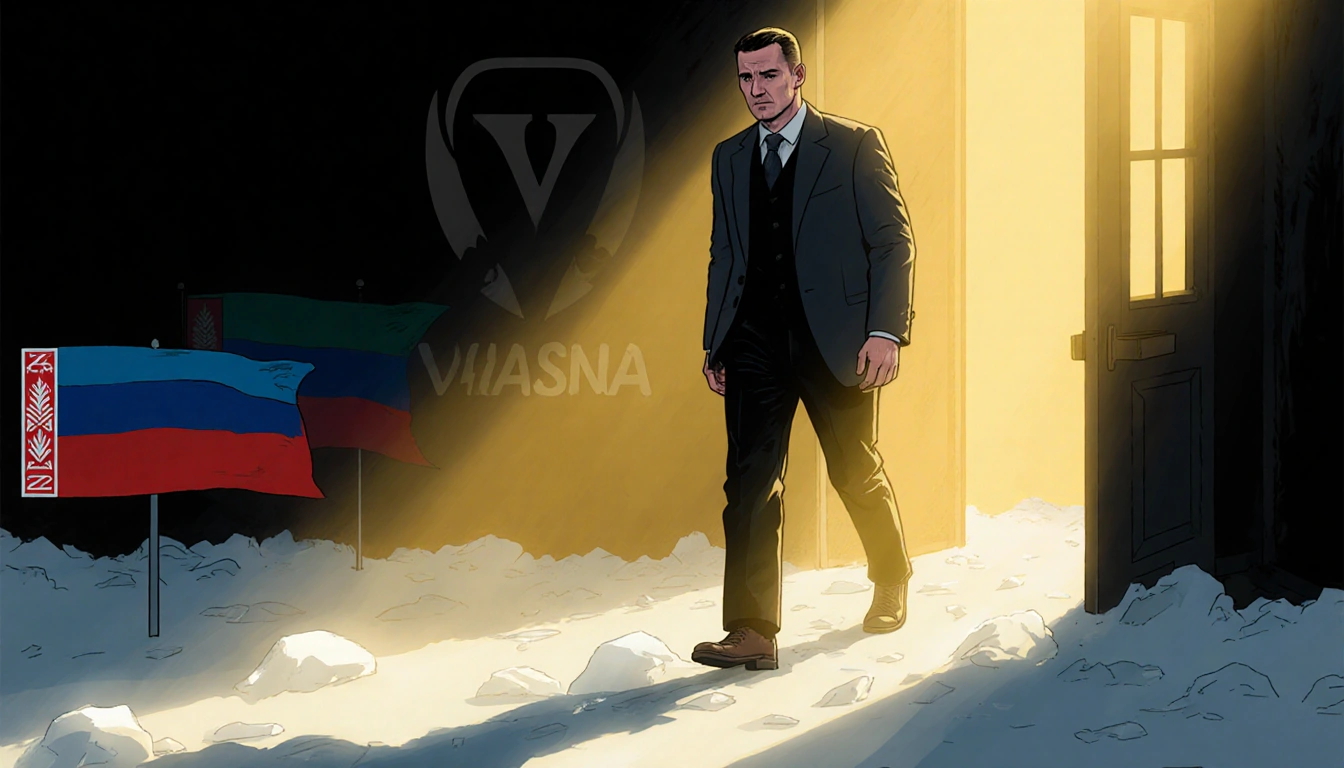
Among those freed were Nobel Peace Prize laureate Ales Bialiatski and opposition figure Maria Kolesnikova. Bialiatski, who founded the Viasna rights group, was jailed when he received the Nobel Peace Prize in 2022. He had been convicted in 2023 of smuggling and financing actions that violated public order, charges widely denounced as politically motivated, and sentenced to ten years. After 1,613 days behind bars, Bialiatski told the Associated Press by phone that his release came as a surprise. “It feels like I jumped out of icy water into a normal, warm room, so I have to adapt. After isolation, I need to get information about what’s going on,” he said. He vowed to continue his work, adding that “more than a thousand political prisoners in Belarus remain behind bars simply because they chose freedom. And, of course, I am their voice.”
Kolesnikova, a key figure in the 2020 mass protests, had been convicted in 2021 on charges including conspiracy to seize power and sentenced to 11 years. She is a close ally of opposition leader in exile Sviatlana Tsikhanouskaya. The 43‑year‑old flutist had previously been targeted for deportation in September 2020, when she briefly broke away from security forces at the Ukrainian border, tore up her passport and walked back into Belarus.
Other freed prisoners, according to Viasna, included opposition figure Viktar Babaryka, who had sought to challenge Lukashenko in the 2020 presidential election before being convicted and sentenced to 14 years on charges he rejected as political. The organization also listed Valiantsin Stefanovic, Uladzimir Labkovich, and Maxim Znak among those released, though it later clarified that Stefanovic had not yet been freed.
Where They Are Going
Most of the released prisoners were sent to Ukraine. Franak Viachorka, Tsikhanouskaya’s senior adviser, told the AP that eight or nine others, including Bialiatski, were being sent to Lithuania on Saturday, with more to follow in the next few days. Ukrainian authorities confirmed that Belarus had handed over 114 civilians, including five Ukrainian nationals. Freed Belarusian nationals “at their request” and “after being given necessary medical treatment” will be taken to Poland and Lithuania, they said.
Lukashenko’s press secretary, Natalya Eismont, said the released prisoners were sent to Ukraine because Kyiv would free several imprisoned Belarusian and Russian nationals as part of the deal, although Ukrainian officials had not yet confirmed the claim.
Lukashenko’s Rapprochement Efforts
When U.S. officials met with Lukashenko in September, Washington eased some sanctions on Belarus while Minsk released more than 50 political prisoners. “The freeing of political prisoners means that Lukashenko understands the pain of Western sanctions and is seeking to ease them,” Tsikhanouskaya told the AP on Saturday. She added, “But let’s not be naive: Lukashenko hasn’t changed his policies, his crackdown continues and he keeps on supporting Russia’s war against Ukraine. That’s why we need to be extremely cautious with any talk of sanctions relief, so that we don’t reinforce Russia’s war machine and encourage continued repressions.”
Sanctions have hit Belarus’s key export hard. The country, which once accounted for about 20% of global potash fertilizer exports, has been forced to sharply cut production after U.S., EU and allied sanctions targeted state producer Belaruskali and cut off transit through Lithuania’s port in Klaipėda. Anastasiya Luzgina, an analyst at the Belarusian Economic Research Center (BEROC), told the AP that sanctions “have significantly weakened Belarus’s potash industry, depriving the country of a key source of foreign‑exchange earnings and access to key markets.” Minsk likely hopes the easing of the potash sanctions will pave the way for relief from broader European restrictions.
The latest U.S.–Belarus talks also touched on Venezuela and Russia’s ongoing invasion of Ukraine. Coale told reporters that Lukashenko had given “good advice” on how to address the war, noting that the Belarusian leader and Russian President Vladimir Putin were “longtime friends” with “the necessary level of relationship to discuss such issues.” The U.S. official added that continued progress also requires steps to resolve tensions between Belarus and neighboring Lithuania, a member of the EU and NATO.
International Reactions
Lithuanian President Gitanas Nausėda welcomed the prisoners’ release, praising their “remarkable courage” in a post on X and adding that “Lithuania stands with them and all who strive for freedom.” That same week, Lithuania declared a national emergency over meteorological balloons sent from Belarus, forcing the country to repeatedly shut down its main airport and stranding thousands of people.
Key Takeaways
- Belarus freed 123 prisoners after U.S. talks, lifting sanctions on its potash sector.
- Notable releases include Nobel laureate Ales Bialiatski and opposition figure Maria Kolesnikova.
- Freed inmates are being sent to Ukraine, Lithuania, Poland, and other neighboring countries.
- The move signals Lukashenko’s attempt to ease Western sanctions, but critics warn the crackdown continues.
The release of 123 political prisoners and the lifting of potash sanctions mark a significant, though cautious, step toward improving U.S.–Belarus relations amid ongoing geopolitical tensions in Eastern Europe.