At a Glance
- California drops lawsuit after federal $4 billion rail funding cut
- Authority will seek private investors and cap-and-trade funds
- Project estimated to cost over $100 billion, aims to connect SF-LA
- Why it matters: The shift could reshape California’s high-speed rail funding strategy and its partnership with the federal government
California has decided to abandon a lawsuit it filed against the Trump administration after the U.S. Transportation Department cut $4 billion from the state’s high-speed rail program. The move comes as the rail authority pivots to private investment and state-funded resources to keep the project on track.
Federal Funding Cut and Legal Action
In July, the Transportation Department slashed $4 billion from the bullet-train budget, citing the California High-Speed Rail Authority’s lack of a viable plan for a Central Valley segment.
Gov. Gavin Newsom said:
> “a political stunt to punish California.”
An authority spokesperson said the lawsuit reflected the state’s view that the federal government is not a reliable partner.
President Donald Trump said:
> “The Railroad we were promised still does not exist, and never will.”
He added:
> “This project was Severely Overpriced, Overregulated, and NEVER DELIVERED.”
New Funding Strategy
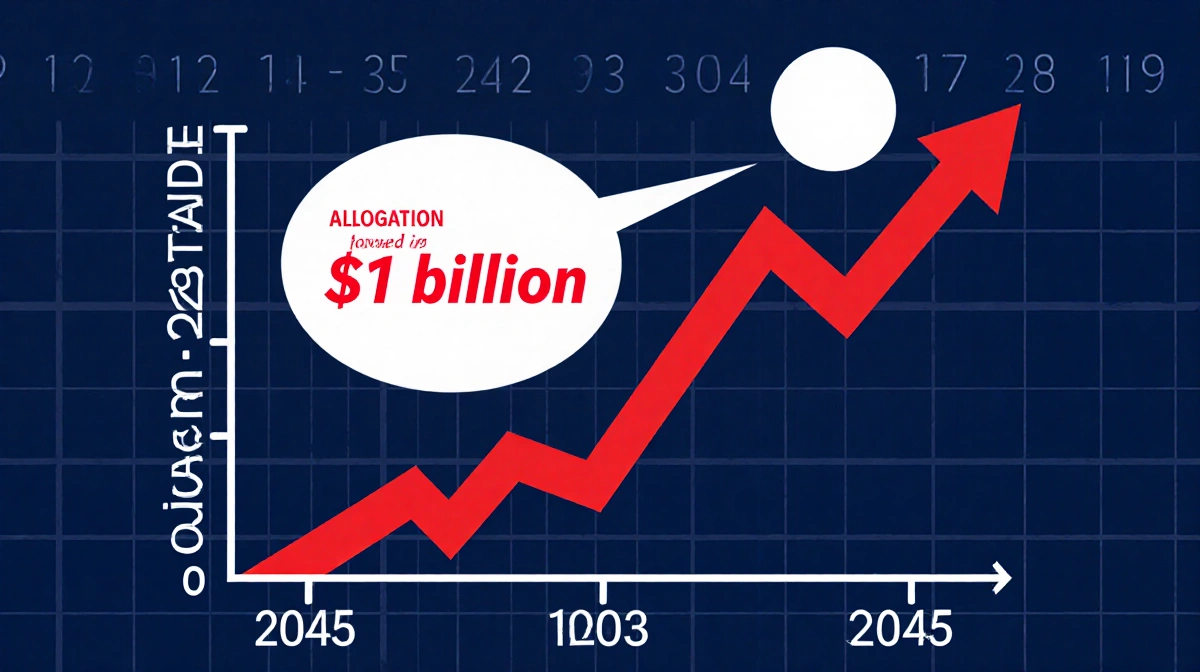
The authority now plans to focus on other sources, including a $1 billion annual cap-and-trade allocation through 2045.
The cap-and-trade program limits statewide emissions and directs proceeds to climate-change mitigation, affordable housing, transportation, and utility bill credits.
The shift offers a new opportunity to pursue global best practices without federal involvement.
| Source | Amount | Duration |
|---|---|---|
| Federal (cut) | $4 billion | One-time |
| Cap-and-trade | $1 billion per year | 2025-2045 |
| Private investors | TBD | Ongoing |
The rail authority’s decision to drop the lawsuit comes as the group seeks private investors to support the bullet train.
Key Takeaways
- California has abandoned its lawsuit over the $4 billion funding cut.
- The authority will rely on $1 billion from cap-and-trade and private capital.
- The project, costing over $100 billion, will pursue international best practices without federal involvement.
With the lawsuit dropped, California’s rail authority is charting a new course that relies on private capital and state-generated funds, potentially redefining the future of high-speed rail in the state.