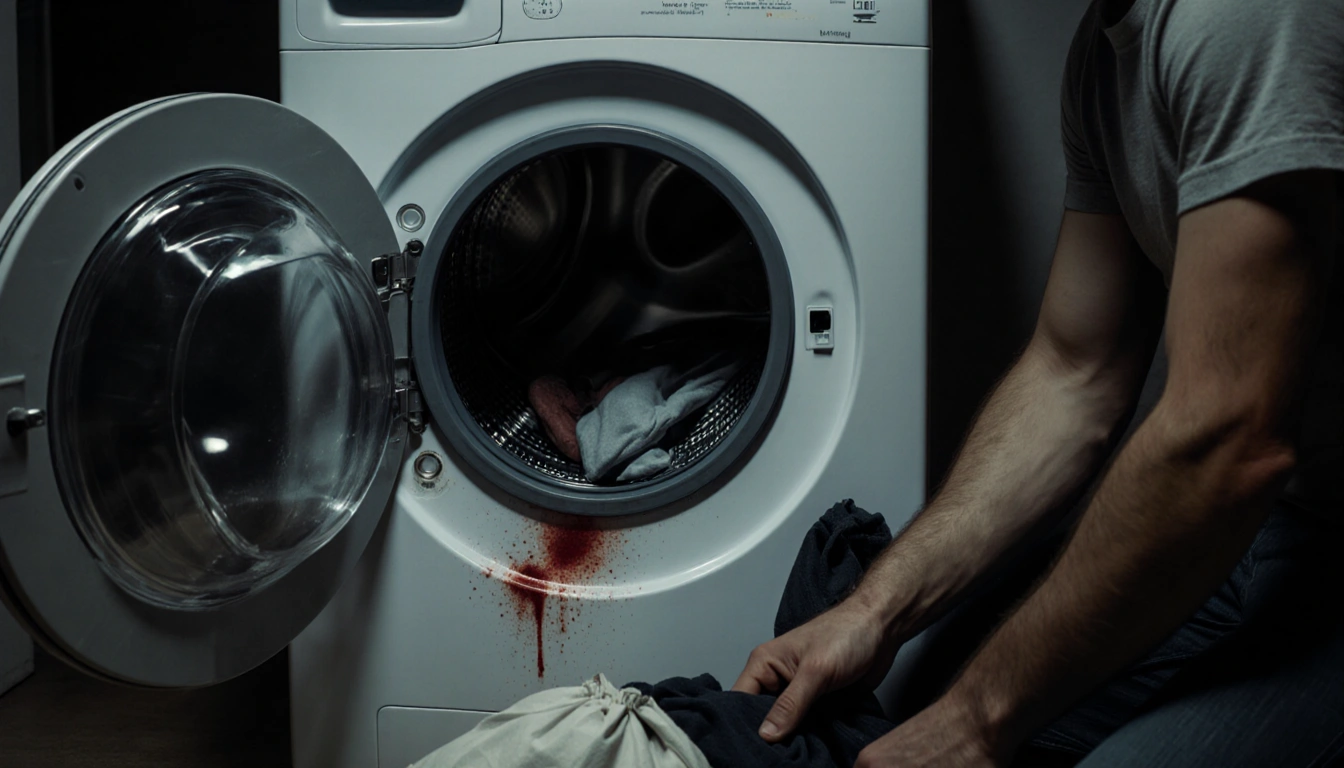
In a disturbing turn of events in San Jose, a grieving father discovered his deceased son’s brain matter in a washing machine after a funeral home mishandled remains, prompting a lawsuit that alleges negligence, fraud, and emotional distress.
The lawsuit
The suit, filed in Santa Clara County Superior Court, names Lima Family Erickson Memorial Chapel, Lima Family Santa Clara Mortuary, and funeral director Annette “Anita” Singh as defendants.
Contract details
According to the lawsuit, Alexander Pinon died inside a Santa Clara home in May, and his mother signed a contract with Lima to pay more than $10,000 for a “full‑service memorial tribute package,” which the court describes as including embalming, dressing, casketing, transportation of remains, and a funeral service.
Clothing request
The family had requested that the deceased be dressed in clothing different from what he wore at death, a detail the plaintiffs say the defendants were aware of when arranging the service.
Meeting with the funeral director
On June 4, the father met Singh at the mortuary to retrieve the requested clothing, a meeting that the attorneys describe as a routine exchange of items for the funeral.
The red bag
Singh handed the father a red bag marked as biohazardous material and told him the bag contained his son’s clothing, a statement that the lawsuit records as a key misrepresentation.
The washing machine incident
The father drove home, opened his washing machine, and dumped the bag’s contents directly into the machine, an act the attorneys say was done under the belief that the bag held clothing.
Discovery of brain matter
The father later discovered that the bag did not contain any clothing; the lawsuit quotes, “The bag did not contain any clothing, but rather, it only contained human brain matter.”
Father’s actions
The family had no knowledge that a coroner had performed a cranial autopsy and removed part of the brain; the father scooped the brain matter out of his washing machine—unaware it was his son’s—and put it back in the red bag, the suit states.
Lack of explanation
He returned the bag to Singh later that day, and the funeral director never offered an explanation for the mix‑up, nor did she provide the father with the requested clothing, according to the lawsuit.
Funeral and burial
Pinon’s funeral was held on June 5 and he was buried at Oak Hill Memorial Cemetery, events the plaintiffs say proceeded without the proper handling of his remains.
Hidden brain matter
The lawsuit alleges that the brain matter remained hidden in a courtyard at the funeral home for weeks after the burial, a detail the attorneys say further demonstrates the defendants’ negligence.
Emotional distress
The suit claims the handling of the decedent’s remains caused the plaintiffs extreme emotional distress, trauma, and mental anguish, stating that discovering a child’s brain matter in a washing machine and having to scoop it out is “a horror no family should ever endure.”
Psychological injuries
The plaintiffs list their suffering as shock, grief, nightmares, anxiety, depression, and other lasting psychological injuries, and argue that the mishandling interfered with their ability to find closure in the grieving process.
Legal accusations and demands
The defendants are accused of negligence, fraud, infliction of emotional distress, and breach of contract, and the lawsuit demands a jury trial to resolve these claims.
The case brought by Samer Habbas & Associates
The case, brought by the law firm Samer Habbas & Associates, underscores the grave responsibilities funeral homes hold when handling human remains and the severe consequences when those responsibilities are breached.
Additional emphasis
The lawsuit emphasizes that the contract for the memorial package was signed under the expectation that all remains would be handled with dignity and respect, a standard the defendants allegedly failed to meet.
Biohazard label misidentification
The attorneys note that the red bag’s biohazard label was meant to indicate hazardous material, yet the contents were misidentified, leading to the father’s accidental exposure to brain matter.
Refusal to explain
The case also highlights that the funeral director’s refusal to explain the situation left the family without closure, amplifying the emotional turmoil described in the suit.
Potential damages
If the court sides with the plaintiffs, the defendants could face significant damages for the alleged fraud, emotional distress, and breach of contract, underscoring the legal accountability of funeral service providers.