In a move that has drawn sharp criticism from journalists and viewers alike, CBS News removed a 60 Minutes segment from its Sunday broadcast that was set to expose conditions inside the notorious Salvadoran prison where the Trump administration has deported Venezuelan migrants. The decision was announced only hours before the episode was scheduled to air, leaving the network’s own correspondent, Sharyn Alfonsi, to label the action as “political” in an email to colleagues that has since been reviewed by several media outlets.
The Immediate Change
CBS News’ official communication came in the form of an editor’s note posted to the 60 Minutes X account. The note explained that the broadcast lineup had been updated and that the “Inside CECOT” report would “air in a future broadcast.” The note was released just minutes before the episode was to begin, a timing that has raised questions about the decision-making process behind the scenes.
Bari Weiss’s Role
The New York Times reported that the decision to pull the segment was made after Bari Weiss, the newly appointed CBS News editor-in-chief, “requested numerous changes to the segment.” According to a statement reported by the Times, CBS News said the piece “needed additional reporting.” NPR added that Weiss had said the segment could not air without first obtaining an on-the-record statement from the Trump administration.
Alfonsi’s Response
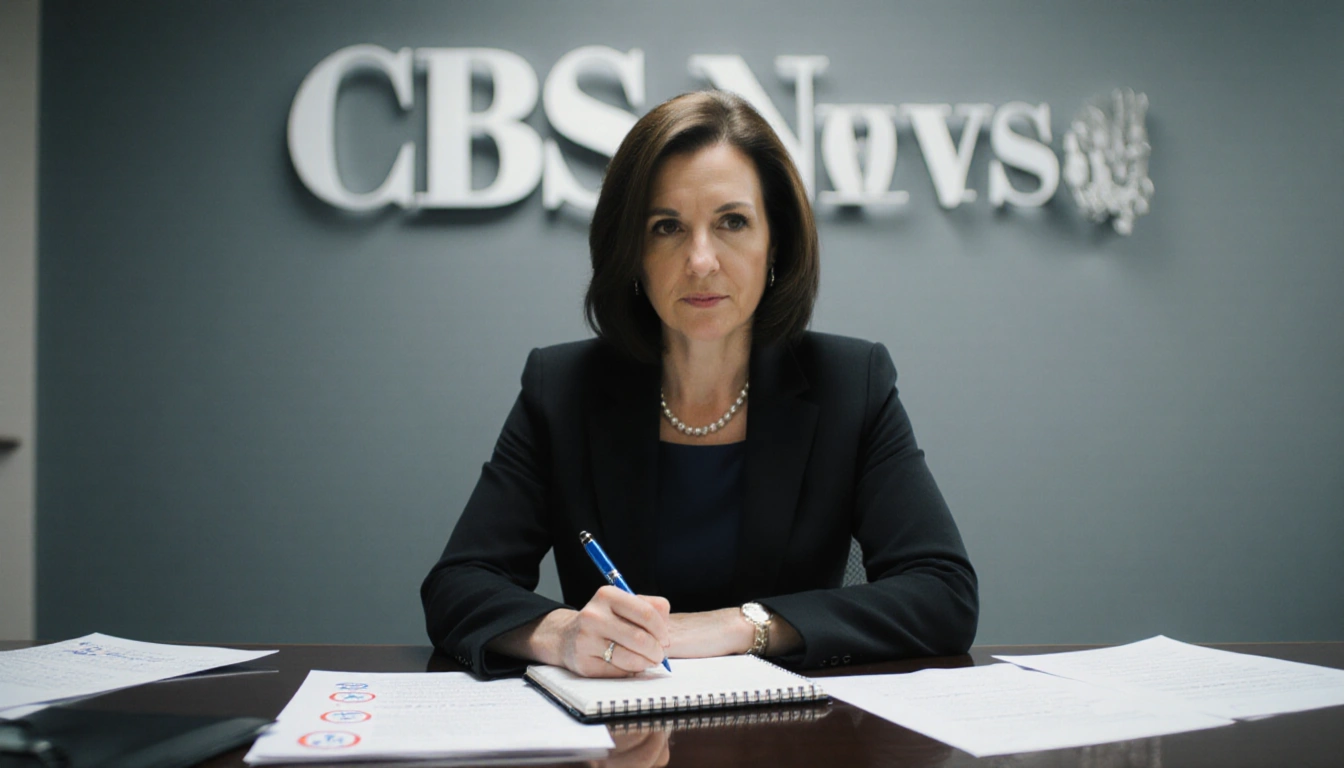
Alfonsi wrote in her email that her story had been “screened five times and cleared by both CBS attorneys and Standards and Practices.” She continued, “It is factually correct. In my view, pulling it now – after every rigorous internal check has been met, is not an editorial decision, it is a political one.”
She also noted that her team had reached out to relevant government agencies and the White House with questions and had not received a response. “Government silence is a statement, not a VETO. Their refusal to be interviewed is a tactical maneuver designed to kill the story,” Alfonsi wrote. She warned that if the administration’s refusal to participate becomes a valid reason to spike a story, the network would have effectively handed them a “kill switch” for any reporting they find inconvenient.
Social Media Promotion
Alfonsi highlighted that the program had been promoting the story on social media for days and that “viewers are expecting it.” She cautioned that when it fails to air without a credible explanation, the public will correctly identify this as corporate censorship. “We are trading 50 years of ‘Gold Standard’ reputation for a single week of political quiet,” she added. “I care too much about this broadcast to watch it be dismantled without a fight.”
Weiss’s Statement
Weiss released a statement Sunday night that read, “I look forward to airing this important piece when it’s ready,” according to The New York Times. She added, “My job is to make sure that all stories we publish are the best they can be. Holding stories that aren’t ready for whatever reason – that they lack sufficient context, say, or that they are missing critical voices – happens every day in every newsroom.”
The Broader Context
The segment was intended to focus on the conditions inside the Salvadoran prison that has become a destination for migrants deported from the United States. The Trump administration’s policy of sending Venezuelan migrants to that facility has drawn international scrutiny, and the 60 Minutes report was expected to shed light on the living conditions and treatment of detainees.
Reactions from the Media
Several media outlets have reported on the decision, noting the timing and the internal communication that led to the segment’s removal. The New York Times and NPR have both covered the story, each providing different angles on why the segment was pulled and the role of the editor-in-chief in the decision.
Editorial vs. Political Decision
Alfonsi’s email makes a clear distinction between editorial and political decisions. She argues that the rigorous internal checks-screening, legal review, and Standards and Practices clearance-had all been satisfied, and therefore the pull was not an editorial judgment but a political one. This claim has sparked debate among journalists about the boundaries of editorial control and the influence of external pressures.
The Impact on Viewers
Viewers who had been following the promotion of the story on social media were left waiting for the segment that never aired. The abrupt removal has led to accusations of censorship from some quarters, while others point to the network’s stated need for additional reporting as a legitimate editorial choice.
Key Takeaways
- CBS News pulled a 60 Minutes segment about a Salvadoran prison before Sunday’s broadcast.
- The decision was made after Bari Weiss requested changes and the segment was deemed to need additional reporting.
- Correspondent Sharyn Alfonsi called the pull a “political” decision, citing lack of government response and internal clearance.
- Weiss stated she looks forward to airing the piece when it’s ready, emphasizing the newsroom’s commitment to quality.
The incident underscores the tension between journalistic integrity, editorial oversight, and external pressures in modern newsrooms.