Wednesday, centrist Republicans defied House leadership by signing a Democratic discharge petition, securing the 218 signatures needed to force a vote on extending Obamacare subsidies for three years.
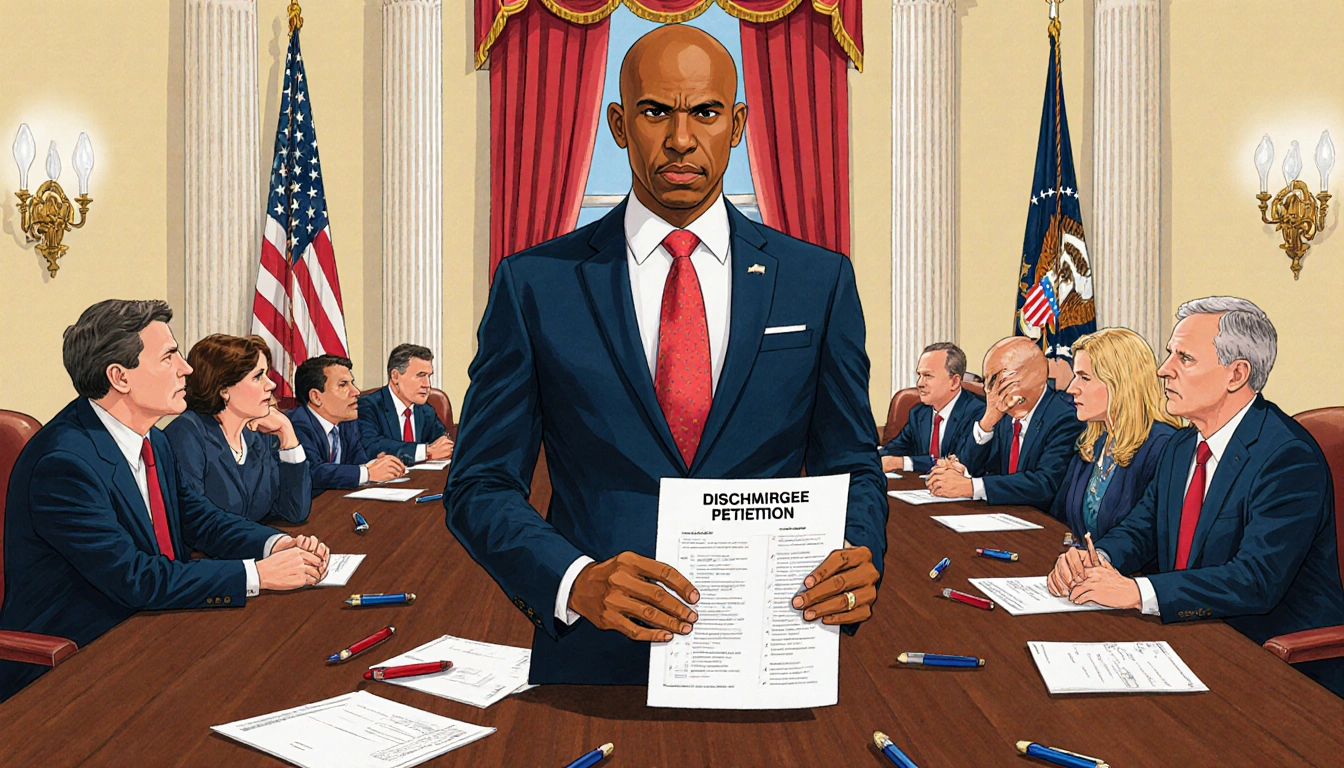
Defiance on the Floor
Reps. Brian Fitzpatrick (R-Pa.), Mike Lawler (R-N.Y.), Rob Bresnahan (R-Pa.) and Ryan Mackenzie (R-Pa.) rushed to the chamber floor that morning to endorse the petition. Their action was a direct challenge to House leadership and a clear signal that the moderate wing of the GOP is willing to cross party lines to keep the Affordable Care Act alive.
Lawler, after signing, said, “We’ve exhausted nearly every option, and we worked in good faith over these past many weeks to come to a compromise.” He added, “I still believe a straight three-year extension is not the right policy. But I fundamentally believe doing nothing is even worse,” and noted, “And to me, leadership left us with no option.”
Fitzpatrick echoed the sentiment in a statement: “As I’ve stated many times before, the only policy that is worse than a clean three-year extension without any reforms, is a policy of complete expiration without any bridge,” he said. “Unfortunately, it is House leadership themselves that have forced this outcome.”
Leadership Clash
The move comes less than a day after GOP leaders rejected moderate Republicans’ efforts to stage a vote to extend the subsidies as an amendment to a larger GOP health care package. That rejection set the stage for the discharge petition, which House Minority Leader Hakeem Jeffries (D-N.Y.) and House Democrats had been withholding support for two other petitions.
Jeffries had been hoping that the moderates would join his bipartisan bills, but the strategy fell apart when the leadership insisted any extension needed to be paired with spending cuts. Moderates introduced several amendments during a House Rules Committee session on Tuesday, but the panel ruled them out of order, infuriating the centrists.
In response, Johnson rejected the centrists’ accusations. “They’ll tell you that I worked really hard with them to try to … craft an amendment that would work. In the end, they opted not to do that. We needed to pay-for – not to get too deep in the weeds – but we needed a pay-for under the rules. And for whatever reason, they decided they did not want to do that,” he told Punchbowl News.
Rep. Kevin Kiley (R-Calif.) pushed back against the Speaker’s statement, arguing in a post on X that he had prepared an amendment that Johnson described, only for it to be ruled out of order.
Strategic Implications
The discharge petition will force the Democrats’ three-year extension to the floor, though the timing of the vote remains uncertain. House rules normally impose a waiting period before supporters of a discharge petition can call the underlying bill up for consideration by the full House. However, last month Speaker Mike Johnson (R-La.) expedited a vote on releasing the Jeffrey Epstein files-another proposal he opposed-to prevent internal clashes from simmering.
With Congress set to leave Washington on Friday for the long holiday break, Lawler suggested Johnson adopt the same strategy on the Affordable Care Act subsidies, rather than push the vote into next year. “If I was in leadership, I would put it on the floor for a vote immediately,” he said.
The success of the Democrats’ petition comes amid deteriorating relations between Johnson and the centrists in his party. The centrists have already bucked GOP leaders several times in recent months-forcing votes on releasing the Epstein files, banning lawmaker stock trading and repealing an executive order from President Trump that had eroded the union rights of federal workers.
Broader Context
The battle over Obamacare might prove to be the most consequential, as it could make or break the Republicans’ efforts to keep control of the House in next year’s midterm elections. Moderate Republicans clamoring for an extension of the subsidies are facing some of the toughest reelection contests next November. They had believed they had convinced Johnson to grant them that vote, until negotiations fell apart.
The strategy of using a discharge petition to bypass House leadership is a rare move in modern congressional politics. It underscores the deep divisions within the GOP and the willingness of some members to prioritize policy outcomes over party unity.
Key Takeaways
- Centrist Republicans secured 218 signatures on a Democratic discharge petition, forcing a vote to extend Obamacare subsidies for three years.
- The move was a direct challenge to House leadership after GOP leaders rejected an amendment to a larger health care package.
- Speaker Mike Johnson’s earlier expedited vote on the Jeffrey Epstein files set a precedent that moderates want to replicate for the Affordable Care Act.
The next days will determine whether the House can bring the vote to the floor before the holiday break, and what the outcome will mean for the future of the Affordable Care Act and the 2026 midterm elections.