At a Glance
- China’s foreign minister condemns a record $11 B U.S. arms sale to Taiwan.
- Beijing launches two-day military drills around the island.
- Wang Yi also criticizes Japan and calls for peace in Gaza, Russia-Ukraine, and Southeast Asia.
- Why it matters: The move escalates tensions in the Taiwan Strait and signals China’s broader diplomatic push.
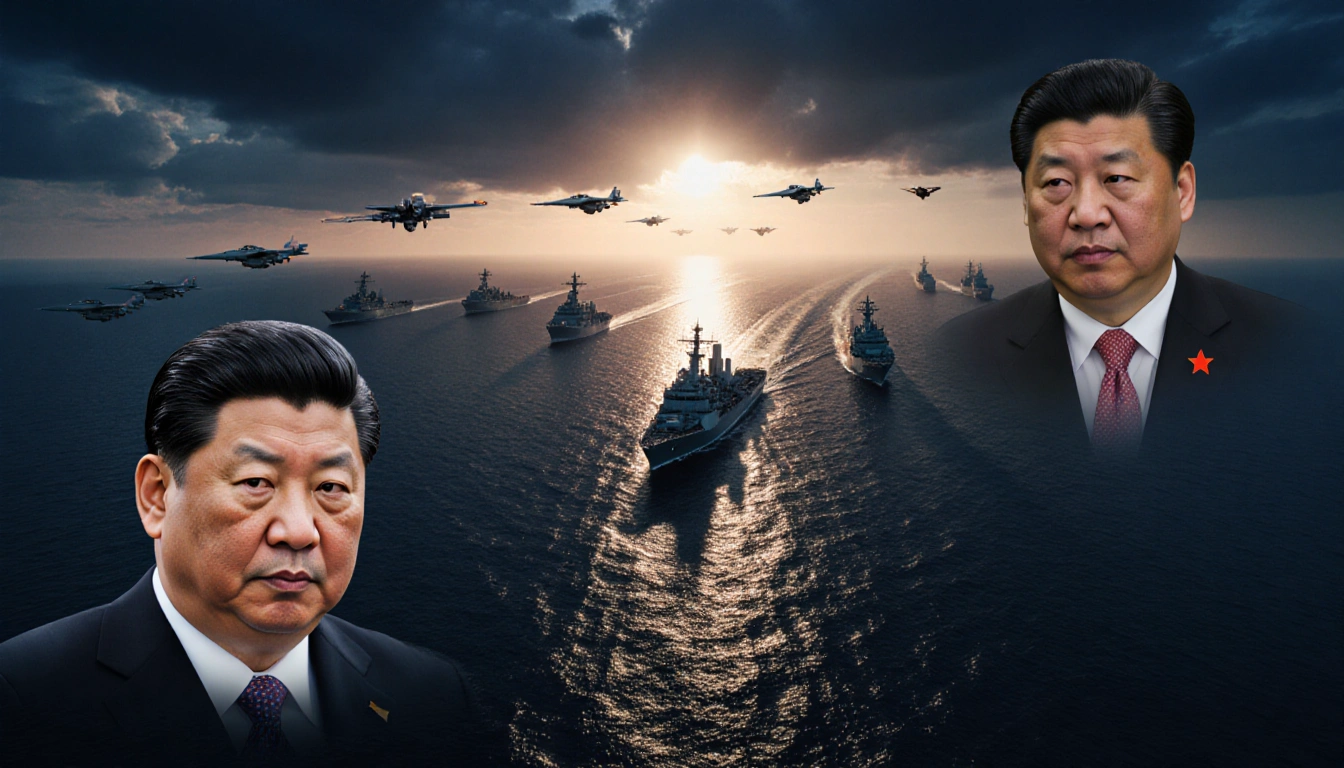
On Tuesday, Beijing’s top diplomat, Wang Yi, denounced a landmark U.S. arms sale to Taiwan and sparked a second day of military exercises around the island. The statement came amid China’s broader effort to assert its claim over Taiwan and push for diplomatic resolutions in other regional conflicts.
China’s Response to the U.S. Arms Sale
Wang Yi, the most senior Chinese official to comment on the sale, blasted the ‘pro-independence forces in Taiwan’ and the large-scale U.S. arms package. He warned that China must ‘resolutely oppose and strongly counter’ these provocations.
Wang Yi stated:
> “In response to the continuous provocations by pro-independence forces in Taiwan and the large-scale U.S. arms sales to Taiwan, we must resolutely oppose and strongly counter them,”
Wang Yi said while reviewing a year of diplomacy by Asia’s largest and most influential nation.
The $11 B package, announced earlier this month by the U.S. State Department, is the largest U.S. arms sale to Taiwan and includes missiles, drones, artillery systems and military software.
- Missiles
- Drones
- Artillery systems
- Military software
President Donald Trump has urged Taiwan to spend up to 10% of its GDP on defense, pushing the island to purchase more U.S. equipment.
Military Drills and Diplomatic Tensions
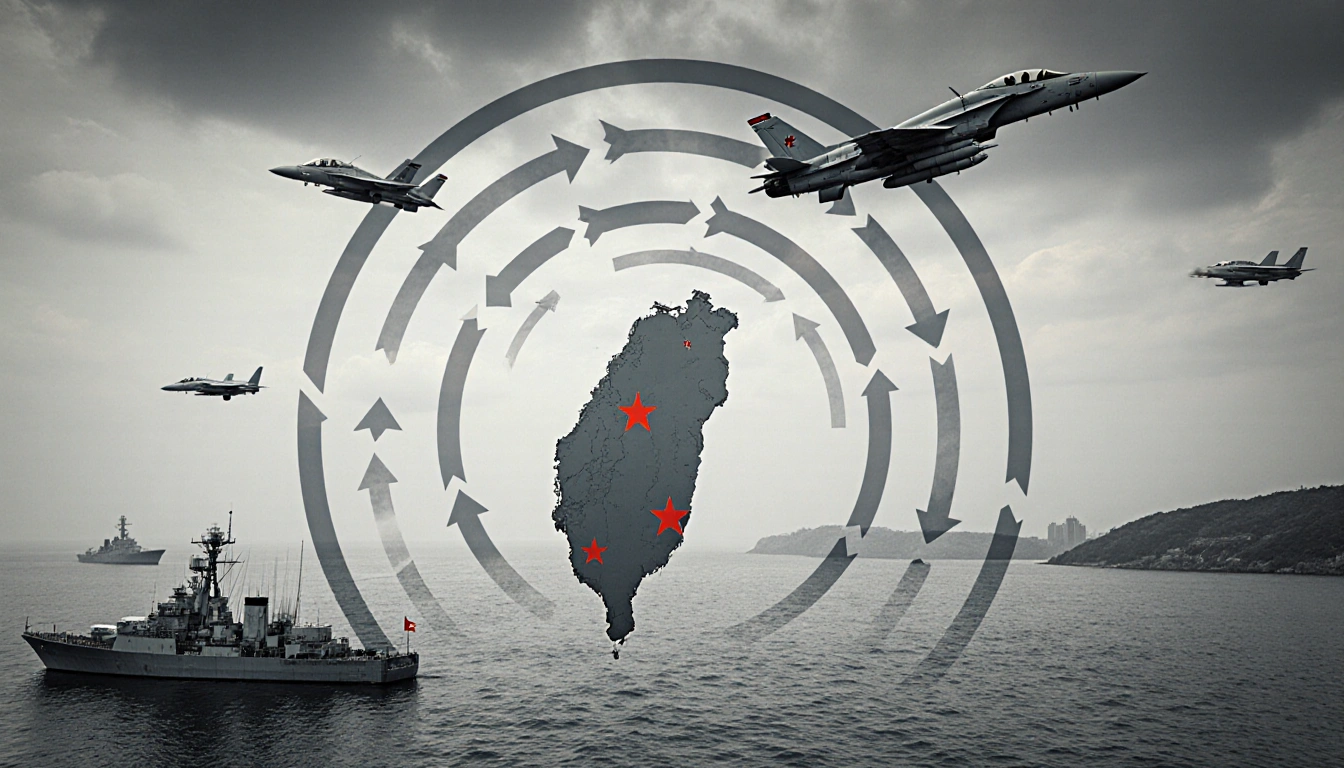
China responded to the sale by launching two days of military drills around Taiwan on Monday. The exercises also serve as a rebuke to Japan’s new prime minister, Sanae Takaichi, who last month suggested Japan could intervene militarily over Taiwan.
Wang Yi said:
> “Japan, which launched the war of aggression against China, not only fails to deeply reflect on the numerous crimes it committed, but its current leaders also openly challenge China’s territorial sovereignty, the historical conclusions of World War II and the postwar international order,”
Wang Yi added that China “must be highly vigilant against the resurgence of Japanese militarism.”
The drills underscore Beijing’s insistence on a ‘complete reunification‘ with Taiwan, a self-ruled island that split from China in 1949 and has become a multiparty democracy.
Broader Diplomatic Outreach
In the same speech, Wang Yi reviewed China’s diplomatic highlights for the year, mentioning Israel’s war in Gaza, Russia-Ukraine conflict, and regional disputes between Thailand and Cambodia.
| Issue | China’s Position |
|---|---|
| Gaza | Calls for ceasefire, demands justice for Palestinians |
| Russia-Ukraine | Seeks peace agreement, claims impartiality |
| Thailand-Cambodia | Mediated ceasefire between the two neighbors |
China’s diplomatic outreach reflects its growing role as a mediator in Asian regional crises, aiming to strengthen its influence as a third party in global affairs.
Key Takeaways
- China condemns record $11 B U.S. arms sale to Taiwan and launches drills.
- Wang Yi criticizes Japan and calls for peace in Gaza, Russia-Ukraine, and Southeast Asia.
- China positions itself as a mediator in regional conflicts while pushing for reunification with Taiwan.
The announcement illustrates Beijing’s dual strategy of hard power around Taiwan and diplomatic engagement across the region.