
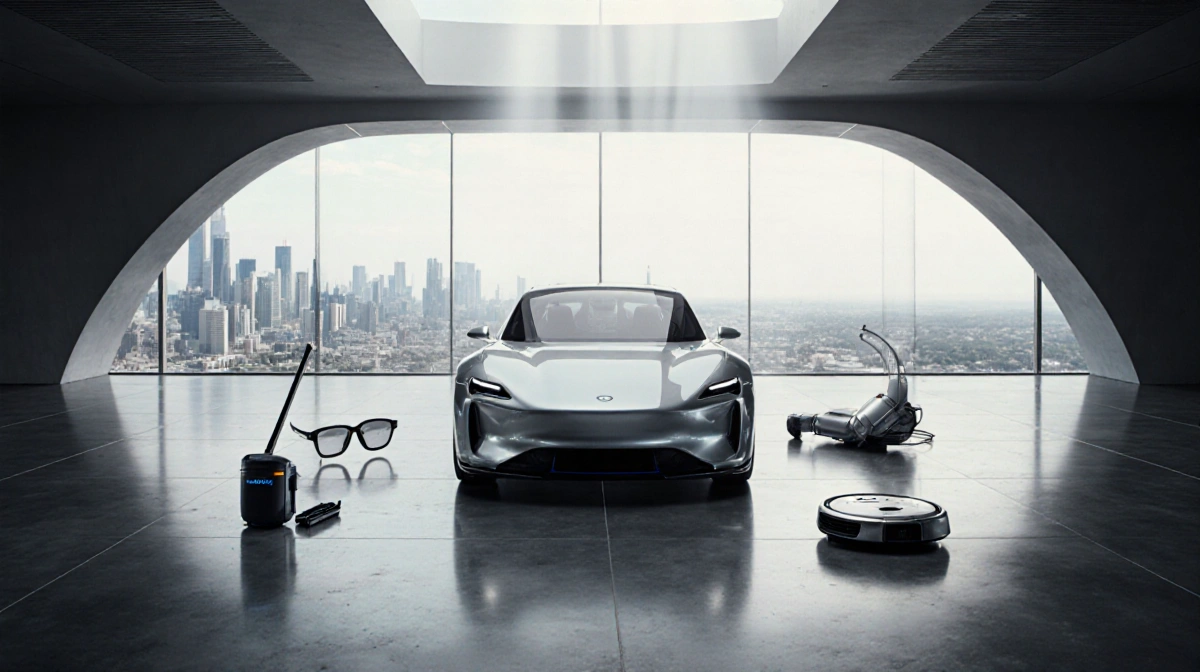
> At a Glance
> – Chinese brands unveil $200 AI smart glasses for all-day wear
> – Robot-vacuum offshoots Nebula Next and Kosmera show luxury EV prototypes
> – Neolix claims 10,000 robovans deployed in China-four times U.S. Waymo fleet
> – Why it matters: Low-cost AI hardware and agile auto entrants could upend U.S. markets
Chinese companies used CES to test U.S. appetite for ultra-cheap smart glasses, electric super-cars, and driverless delivery pods-betting lower prices will override privacy fears.
$200 AI Glasses Aim for All-Day Recording
**Brian Chen, general manager of Appotronics’ innovation center, says dropping smart-glass prices to around $200 will nudge consumers to wear them nonstop, capturing constant video and audio. Both Rokid and Appotronics admit the move raises privacy issues but argue the upside outweighs the risks.
- All-day video/audio recording at a budget price
- Privacy concerns acknowledged by manufacturers
- Daily-use adoption hinges on sub-$200 tag
From Vacuums to Luxury EVs
Obscure brands Nebula Next and Kosmera drew crowds with sleek electric sports-car prototypes; neither is on sale yet. Both have ties to Dreame, a top Chinese robot-vacuum maker, though they claim independence. CES floor maps still linked the booths to Dreame.
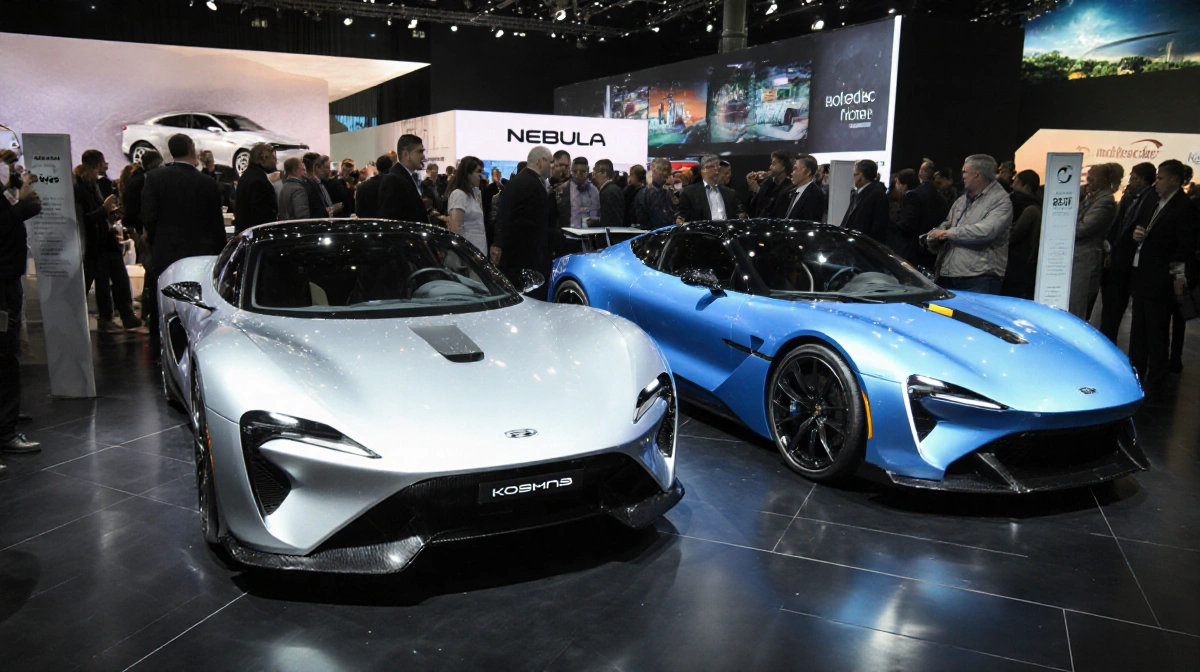
| Brand | Parent Link | Status | Market |
|---|---|---|---|
| Nebula Next | Dreame | Prototype | TBA |
| Kosmera | Dreame | Prototype | TBA |
Lei Xing, former editor of China Auto Review, says China’s supply-chain depth lets electronics firms pivot to cars, but only a handful will survive.
Robovans Outnumber Robotaxis
Neolix builds both hardware and software for autonomous parcel vans. Deployment in China hit roughly 10,000 units in 2025, growing tenfold yearly, says executive president Zhao You. The fleet is already four times larger than Waymo’s U.S. robotaxi count.
- 60 % domestic market share, no global rival claims Neolix
- Pilot projects active in Middle East, East Asia, Latin America
- U.S. expansion eyed with local partners for safety/data rules
Viral Video AI Battles OpenAI
Kling, the AI arm of short-video giant Kuaishou, showcased Sora-rivaling tools. Over 60 million registered users, mostly outside China, tap Kling to auto-generate clips. Director Jason Zada created a 105-minute fireplace video using 600 AI clips, costing $2,500 in tokens.
Key Takeaways
- Sub-$200 AI glasses target mass daily adoption despite privacy red flags
- Vacuum-maker spinoffs aim for high-end EV segments with prototypes only
- Neolix robovans already outnumber U.S. robotaxis, with global expansion plans
- Kling’s 60 M-user base signals robust demand for AI-generated video content
Chinese hardware firms are betting aggressive pricing and rapid iteration will open U.S. wallets faster than regulators can respond.