At a Glance
- U.S. Coast Guard still searching for survivors of boat attacks in the eastern Pacific
- Search covers over 1,000 miles amid 9-foot seas and 40-knot winds
- 35 strikes have killed at least 115 people under Trump’s anti-drug campaign
- Why it matters: The search highlights the human cost and operational challenges of U.S. anti-drug actions
On Friday, the U.S. Coast Guard confirmed it was still searching for people who jumped into the water after the military struck alleged drug-smuggling boats in the eastern Pacific. The search, which began on Tuesday, covers more than 1,000 miles and has faced 9-foot seas and 40-knot winds. The operation reflects the ongoing risk of the U.S. anti-drug campaign.
Search Operations
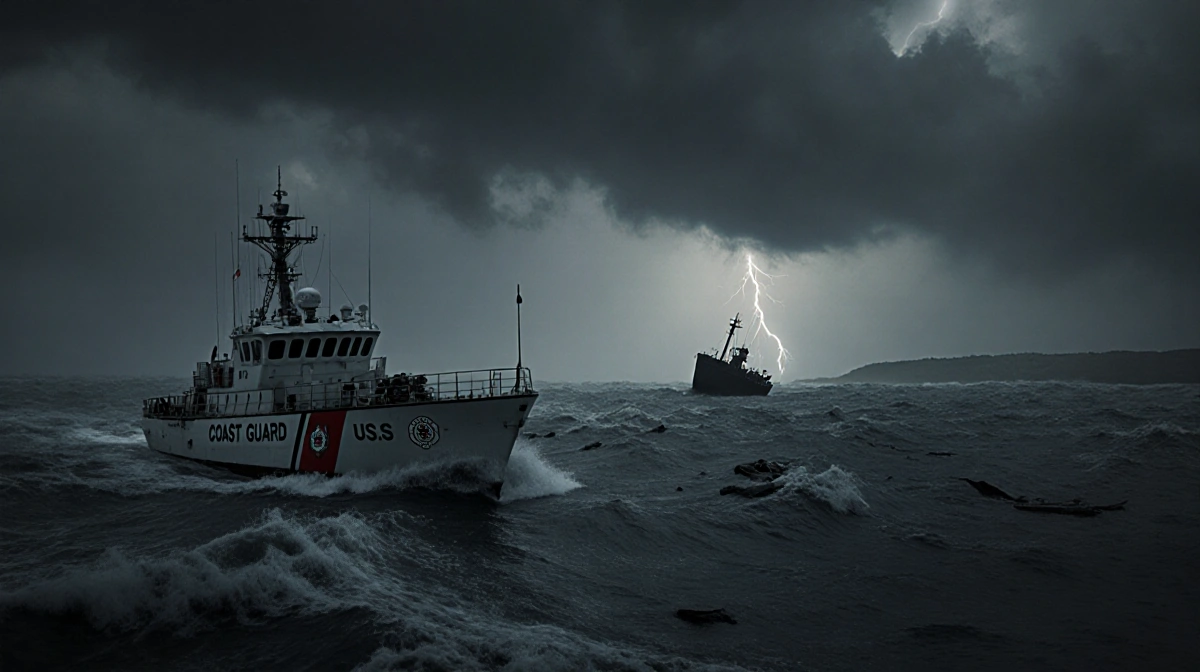
The U.S. Coast Guard launched a search from Sacramento after the military notified that survivors were in the water about 400 miles southwest of the Mexico-Guatemala border. The operation has lasted over 65 hours and involved coordination with other countries and civilian vessels. Weather conditions have included 9-foot seas and 40-knot winds, complicating rescue efforts.
The agency has dispatched a plane to cover an area of more than 1,000 miles. It also issued an urgent warning to nearby ships. The search continues under harsh conditions.
- Survivors reported 400 miles southwest of border
- Search area exceeds 1,000 miles
- 65 hours of coordinated effort
- 9-foot seas and 40-knot winds
Background of the Attacks
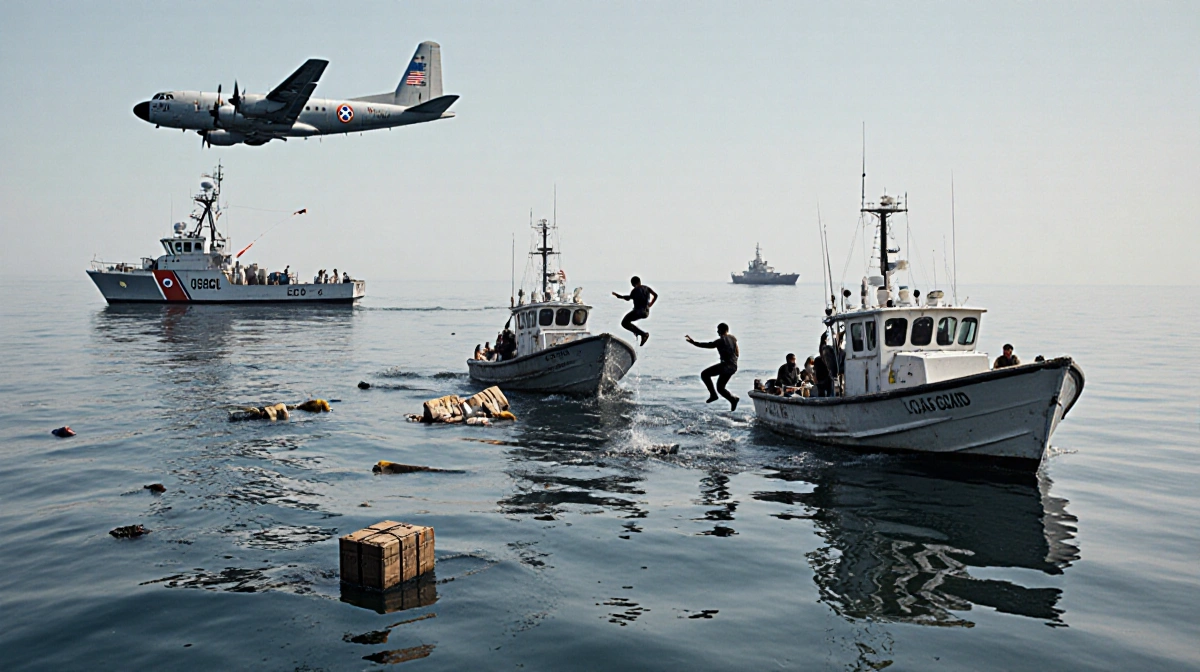
The U.S. military said it attacked three boats on known narco-trafficking routes that had transferred narcotics between them. Southern Command reported that three people were killed on the first boat, while others jumped overboard before the other two were struck. The strikes occurred in an area without U.S. Navy ships, prompting immediate notification of the Coast Guard for rescue operations.
The U.S. military did not provide evidence to back up its claim that the boats had transferred narcotics. Some Democratic lawmakers and legal experts said the military committed a crime, while the Trump administration and some Republican lawmakers say the follow-up strike was legal. The campaign has drawn heavy scrutiny after U.S. forces killed survivors of the first attack in early September with a follow-up strike.
| Metric | Value |
|---|---|
| Number of strikes | 35 |
| People killed | ≥115 |
Wider Context
Since early September, the Trump administration has carried out 35 boat strikes in the Caribbean and eastern Pacific, killing at least 115 people, according to the administration’s figures. The policy is defended as an escalation to curb drug flow and is framed as an ‘armed conflict’ with cartels.
The campaign also includes military buildup against Venezuelan President Nicolás Maduro, charged with narco-terrorism in the United States.
Key Takeaways
- Coast Guard still searching for survivors after boat attacks
- Search covers over 1,000 miles amid severe weather
- 35 strikes have killed at least 115 people under Trump’s anti-drug campaign
The ongoing search underscores the human cost of the U.S. anti-drug campaign and the challenges of rescuing survivors in hostile waters.