At a Glance
- The C64U brings the iconic 1982 Commodore 64 back to life using an FPGA.
- It keeps the original look and peripheral support while adding USB-A, Wi-Fi, Ethernet, and HDMI.
- The machine is a distraction-free, retro-computing experience that may appeal only to die-hard enthusiasts.
- Why it matters: It shows how classic hardware can be re-engineered for today’s users without losing its original charm.
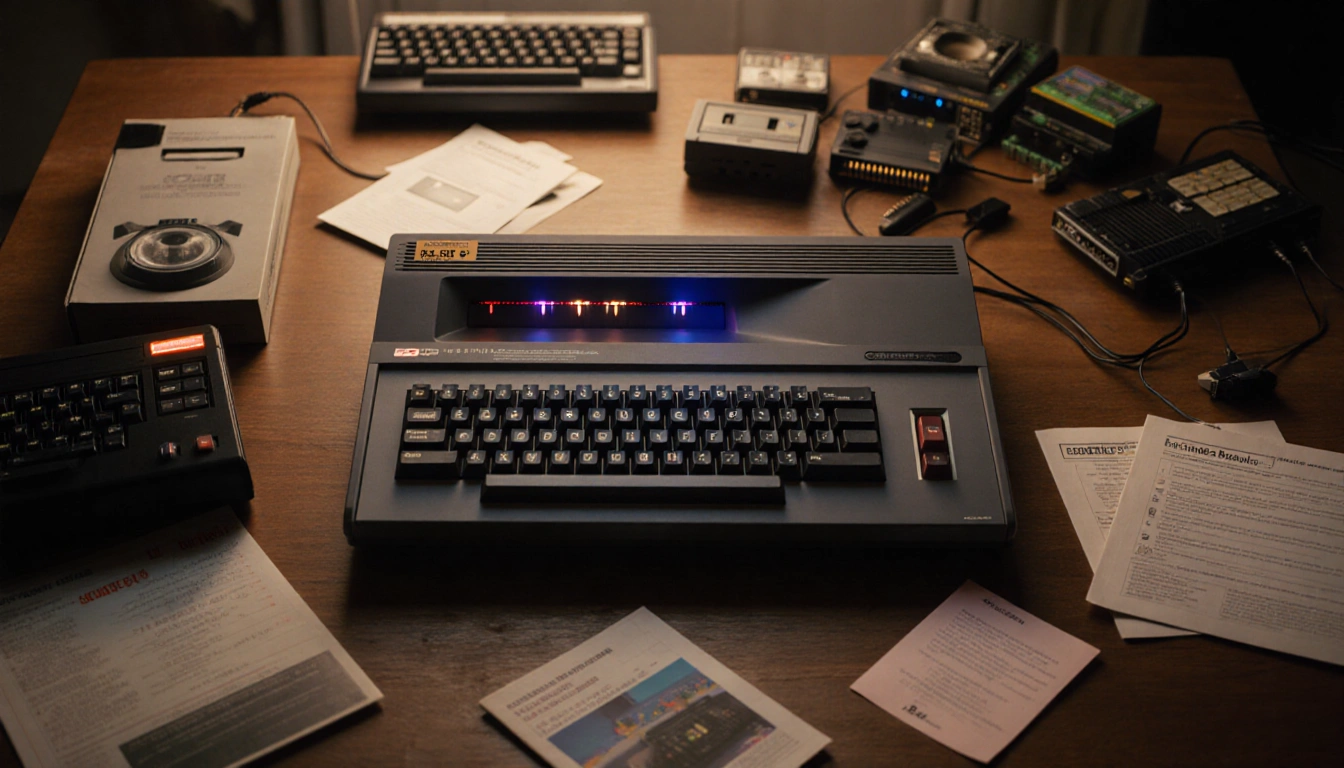
The Commodore 64, launched in 1982, became the best-selling personal computer ever. After Commodore International folded in 1994, the brand name drifted into limbo. In 2025, a retro gaming YouTuber named Christian “Peri Fractic” Simpson purchased the rights wholesale and recreated the machine’s core hardware.
The Resurrection of a Classic
Simpson’s project, dubbed the C64U, is a near-perfect replica of the 43-year-old titan. It preserves the wedge-shaped chassis, chunky keys, and the iconic beige color palette. A transparent “Starlight” model with RGB lighting and a golden “Founder’s Edition” are also available.
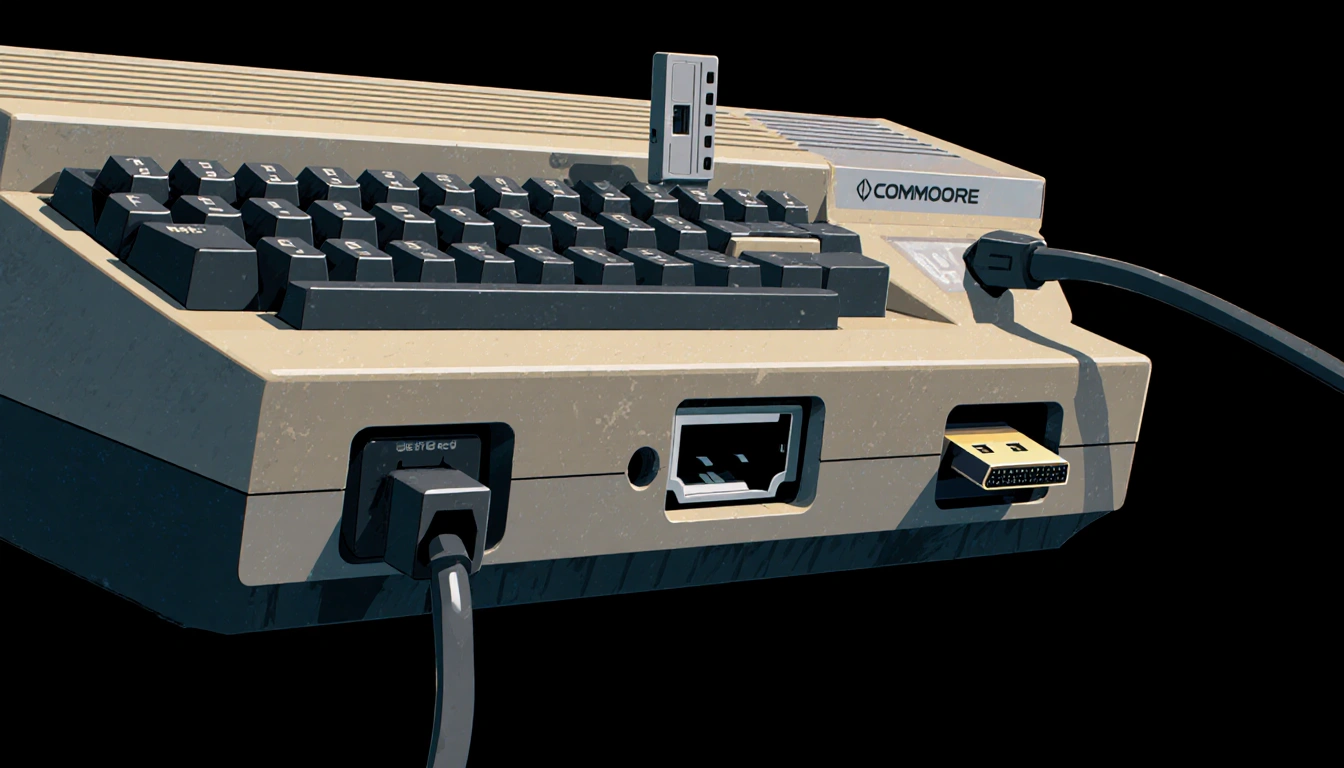
The shell’s plastic remains un-yellowed, making it look almost identical to leftover stock from 1982. Original labels such as “H-L”, “RF”, and “USER PORT” are still present, adding to the nostalgic feel.
Physical connectors allow the use of authentic 1980s peripherals. Joysticks, datasette drives, and other legacy devices work as they did in the original era. This compatibility is a major draw for collectors and long-time fans.
Modern Enhancements
The C64U features a pair of USB-A ports at the rear. A cassette-shaped USB stick comes pre-loaded with games, software demos, music, and the GEOS graphical user interface. Built-in Wi-Fi, an Ethernet port, and HDMI output give the machine modern connectivity.
An HDMI output is available, but the device also supports a CRT monitor, keeping the look of a vintage display. The internal speaker mimics the sounds of the original tape or disk drive as it loads, adding an extra layer of authenticity.
Despite the modern ports, the C64U cannot use a contemporary mouse. Users must rely on a period-piece peripheral or the WASD keys as a virtual joystick, which may feel restrictive to new users.
Hardware & Performance
At its core, the C64U uses an AMD Xilinx Artix-7 FPGA chip to emulate the original hardware. The system is powered by 128-MB DDR2 RAM, a massive upgrade from the original 64-KB memory.
Users can activate a virtualized RAM Expansion Unit or enable a “Turbo Boost” that pushes the clock speed to 64 MHz. This allows the machine to run faster while still replicating the original performance when desired.
| Feature | Original | C64U |
|---|---|---|
| CPU | MOS 6502 | FPGA emulation |
| RAM | 64 KB | 128 MB DDR2 |
| Clock | 1 MHz | 64 MHz Turbo |
| Connectivity | None | USB-A, Wi-Fi, Ethernet, HDMI |
Software & User Experience
Booting the C64U presents a recreation of the Commodore 64’s menu. Users can type BASIC commands just as they would in the early 1980s. The machine ships with a spiral-bound 273-page guide that explains the differences between the original and the updated system.
The default menu, accessed by the multifunction power button, offers options like “Video Setup.” Users can choose the original resolution, switch between PAL or NTSC, or opt for a 1080p output with scanlines removed. Settings are saved to the system’s flash memory.
The GEOS interface is launched from the “Disk File Browser.” It provides a desktop-like environment with folders and icons. However, navigation relies on the WASD keys and RETURN, and switching between programs can feel clunky.
Gaming & Authenticity
The USB drive contains classic and retro-style games, and users can add additional disk images. The C64U can run titles in either NTSC or PAL mode, and switching display modes is straightforward through the main menu.
Because the machine emulates the original hardware, game loading times can be slow-sometimes taking several minutes. This deliberate slowness is part of the device’s digital-detox philosophy, encouraging patience.
Compared to emulation or earlier hardware recreations that focus more on gaming, the C64U prioritizes an authentic experience. This may appeal more to nostalgia seekers than casual gamers.
Is It Worth It?
The C64U is a remarkable piece of engineering, a love letter to the original Commodore 64. Its accuracy and attention to detail are impressive, but the steep learning curve and slow performance may deter many.
The target audience is clear: those who grew up with the original machine or who have a deep curiosity about retro technology. For others, a simple emulator or a more gaming-centric hardware replica might be a better fit.
Ultimately, the C64U offers a unique, distraction-free computing experience that harks back to the 1980s. It may not reshape the market, but it stands as an exceptional tribute to a groundbreaking era.
Key Takeaways
- The C64U faithfully recreates the 1982 Commodore 64 using FPGA technology.
- Modern ports and connectivity are added, but the machine keeps original peripheral support.
- Its authentic performance and digital-detox focus appeal mainly to nostalgic enthusiasts.
The Commodore 64 Ultimate shows that retro computing can still captivate, even as it bridges the gap between past and present.