At a Glance
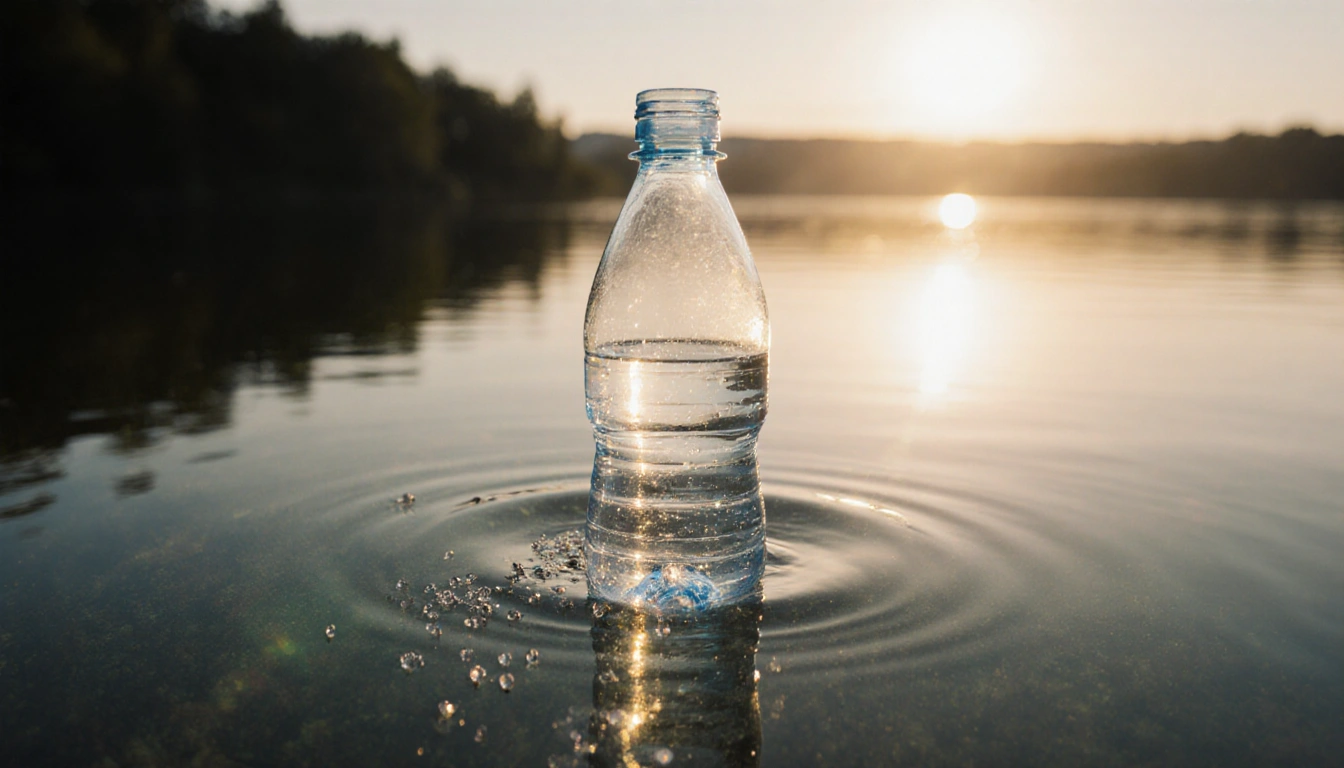
- Daily bottled water users ingest 90,000 more microplastics than non-users.
- A study reviews 140+ papers and links microplastics to chronic health risks.
- The research calls for stricter regulation of plastic bottles.
- Why it matters: The hidden particles in everyday drinks could quietly harm millions.
When Sarah Sajedi stepped onto the white sands of Phi Phi Island, she saw the Andaman Sea’s beauty marred by plastic bottles. The sight spurred her to investigate how much of that waste actually enters our bodies.
From Beach to Lab
Sajedi, a former environmental software co-founder, turned her field observation into a doctoral thesis at Concordia University. She analyzed over 140 scientific papers to quantify microplastic ingestion.
- General population: 39,000-52,000 microplastic particles per year from food and water.
- Daily bottled-water users: 90,000 more particles annually.
Sajedi explained:
> “Drinking water from plastic bottles is fine in an emergency, but it is not something that should be used in daily life. Even if there are no immediate effects on the human body, we need to understand the potential for chronic harm.”
Health Implications
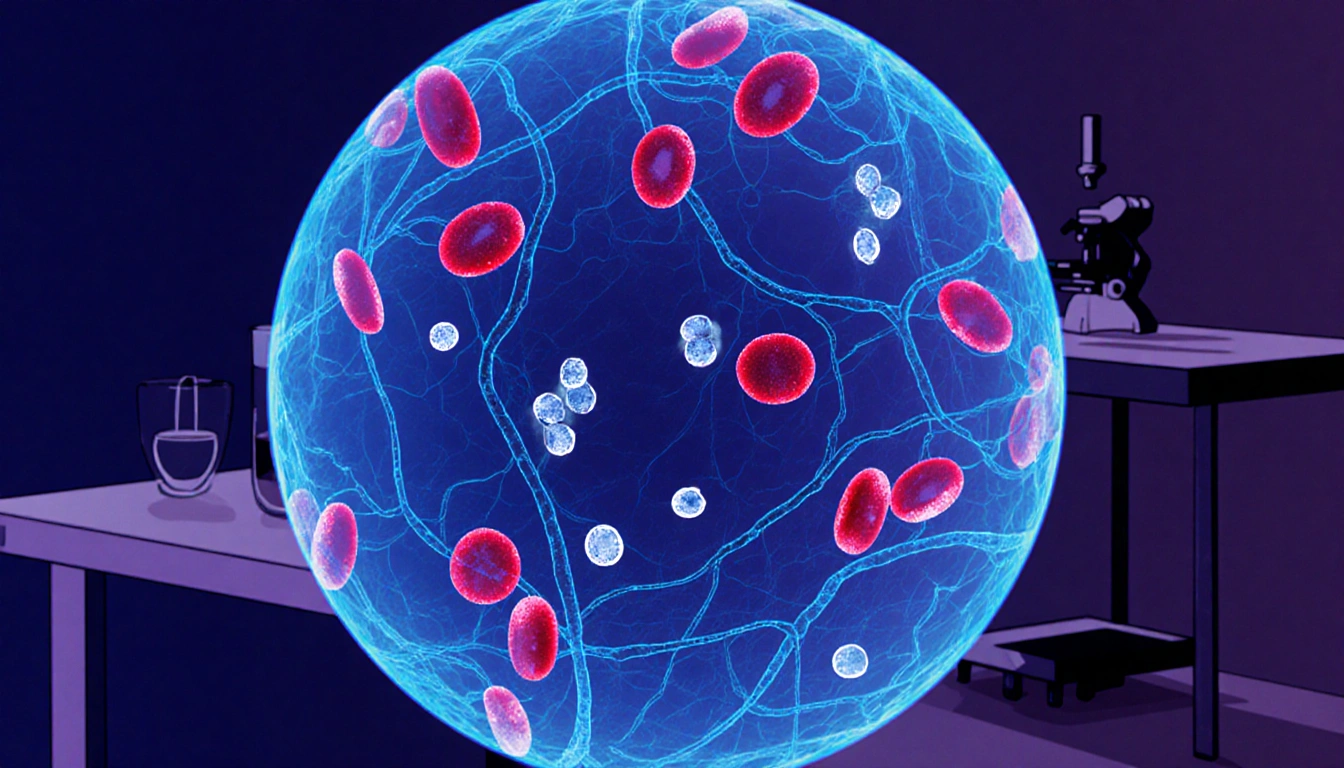
Microplastics range from 1 micrometer to 5 mm; nanoplastics are smaller than 1 µm. They are invisible yet can enter the bloodstream, triggering chronic inflammation and oxidative stress. This may disturb hormones, impair reproduction, damage the nervous system, and has links to various cancers.
| Category | Microplastics per year |
|---|---|
| General population (food & water) | 39,000-52,000 |
| Daily bottled-water users | 90,000 more |
Regulation lags: while plastic bags and straws are increasingly restricted, bottles remain largely unregulated. Sajedi’s findings highlight the urgent need for a global framework that protects both the environment and public health.
Key Takeaways
- Daily bottled water consumption adds 90,000 microplastics to the body.
- Microplastics can reach vital organs, causing chronic inflammation and potential long-term damage.
- Current testing methods are inconsistent, hindering worldwide research and regulation.
The story began on a beach, but its implications reach far beyond the shore-into our daily habits and our future health.