> At a Glance
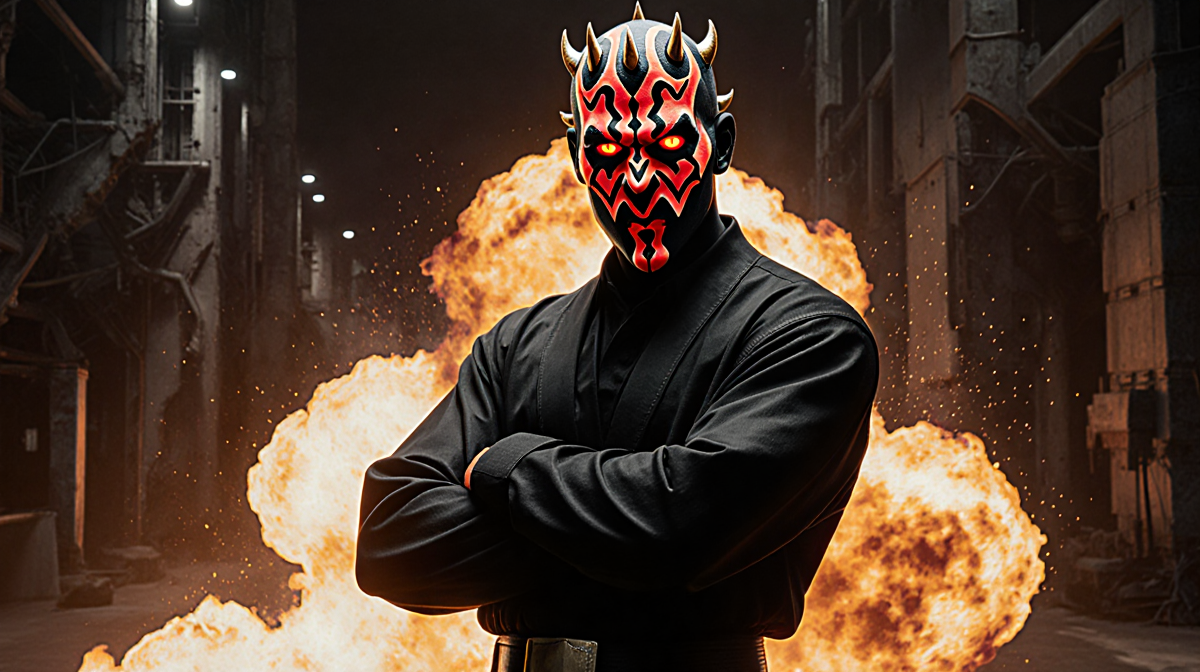
> – Lucasfilm unveils an animated series starring Darth Maul.
> – The show follows Maul building a criminal empire after Revenge of the Sith.
> – It highlights Maul’s repeated survival and final death in Star Wars Rebels.
> – Why it matters: It shows how the franchise turns death into a revolving door, reshaping character arcs.
The latest announcement from Lucasfilm brings Darth Maul back to the forefront of Star Wars storytelling. The new animated series, Maul-Shadow Lord, follows the former Sith Lord as he establishes a criminal empire in the wake of Revenge of the Sith. Fans are reminded that Maul’s survival, rebirth, and ultimate demise are part of a larger pattern of resurrecting characters in the franchise.
The Return of Darth Maul
Maul’s first appearance in Star Wars left him sliced in half and falling into a massive pit, yet he survived due to a lingering fascination by George Lucas. The character’s return is not a surprise to those who remember his survival after Phantom Menace, a moment that was orchestrated to keep Maul alive for future stories. The new series builds on this legacy, showing how Maul’s rage fuels his continued existence.
Key Appearances
| Series | Role | Key Moment |
|---|---|---|
| Clone Wars | Villain | Survival revealed to Obi-Wan Kenobi |
| Star Wars Rebels | Crime Lord | Final death in “Twin Suns” |
| Maul-Shadow Lord | Protagonist | Building a criminal empire |
Maul’s Motivations and Rage
Maul’s character is defined by a ceaseless, unyielding rage. He harbors anger against Obi-Wan, Palpatine, and a narrative that dismissed him as a mere image. This fury sustains his survival and drives the plots he creates, from attempting a Sith duology with his brother Savage to briefly seeking control of Mandalore.
- Rage as Survival – Maul’s anger keeps him alive across multiple series.
- Unfinished Revenge – He constantly seeks retribution against those who discarded him.
- Chaotic Schemes – His plans range from crime lord to faux-wise crone, each aimed at exacting vengeance.
The Final Arc in Star Wars Rebels
The episode “Twin Suns” stands out as Maul’s finest hour. In it, Maul reaches the pinnacle of his ambitions, only to be cut down once more. A single strike by Obi-Wan Kenobi on Tatooine ends Maul’s story. As he slips away, Maul realizes his place in the narrative must go to someone else.
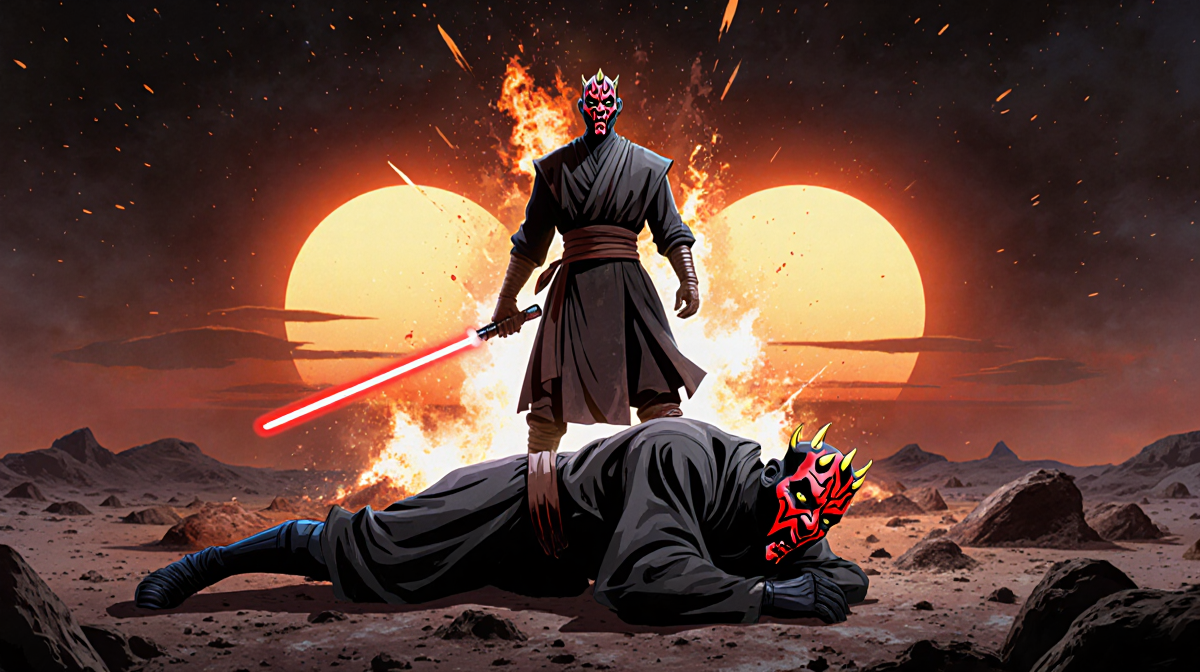
The episode illustrates a rare moment where a character’s final death is meaningful. Maul’s decades of fury culminate in a decision to let go, allowing him to find peace. This departure is resonant because it acknowledges the necessity of exiting a story, whether by death or otherwise.
What This Means for Star Wars Storytelling
The franchise’s tendency to resurrect characters has long been a point of discussion. Maul’s arc demonstrates how the series can turn a seemingly meaningless death into a profound narrative moment. By giving Maul a meaningful exit, the franchise shows a willingness to let characters move on.
- Repetition of Death – The pattern of bringing back characters is evident.
- Character Depth – Maul’s journey adds depth to a previously one-dimensional figure.
- Narrative Closure – The final death offers closure that feels earned rather than arbitrary.
Key Takeaways
- Maul’s return highlights the franchise’s habit of rotating death.
- Rage as a narrative tool keeps characters alive across multiple series.
- The “Twin Suns” episode provides a rare, meaningful conclusion.
- Future stories may follow similar patterns of resurrection and closure.
These developments underscore how the Star Wars universe continues to evolve, balancing nostalgia with new storytelling approaches.