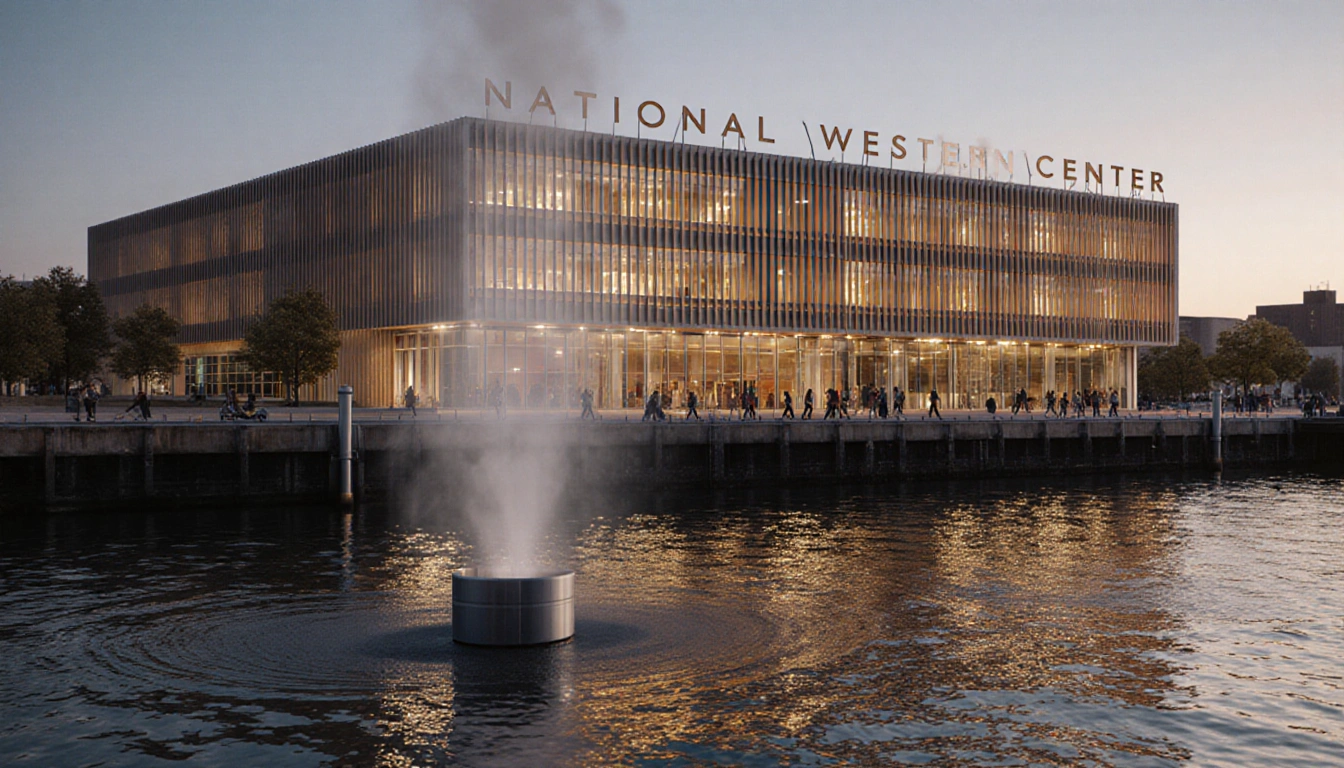
When Denver developers faced two 6-foot sewer pipes emptying into the river, the solution turned into a heat source. The utility had warned that wastewater needed to vent heat before reaching the river, but planners saw an opportunity to harness that energy.
National Western Center Turns Sewage into Sustainable Heating
The National Western Center complex now relies on the thermal energy of sewage to heat and cool classrooms, an equestrian center and a veterinary hospital. The system captures the stable temperature of wastewater-about 70 °F (21 °C)-and uses it to power the facility’s heating and cooling needs.
How the Heat-Recovery System Works
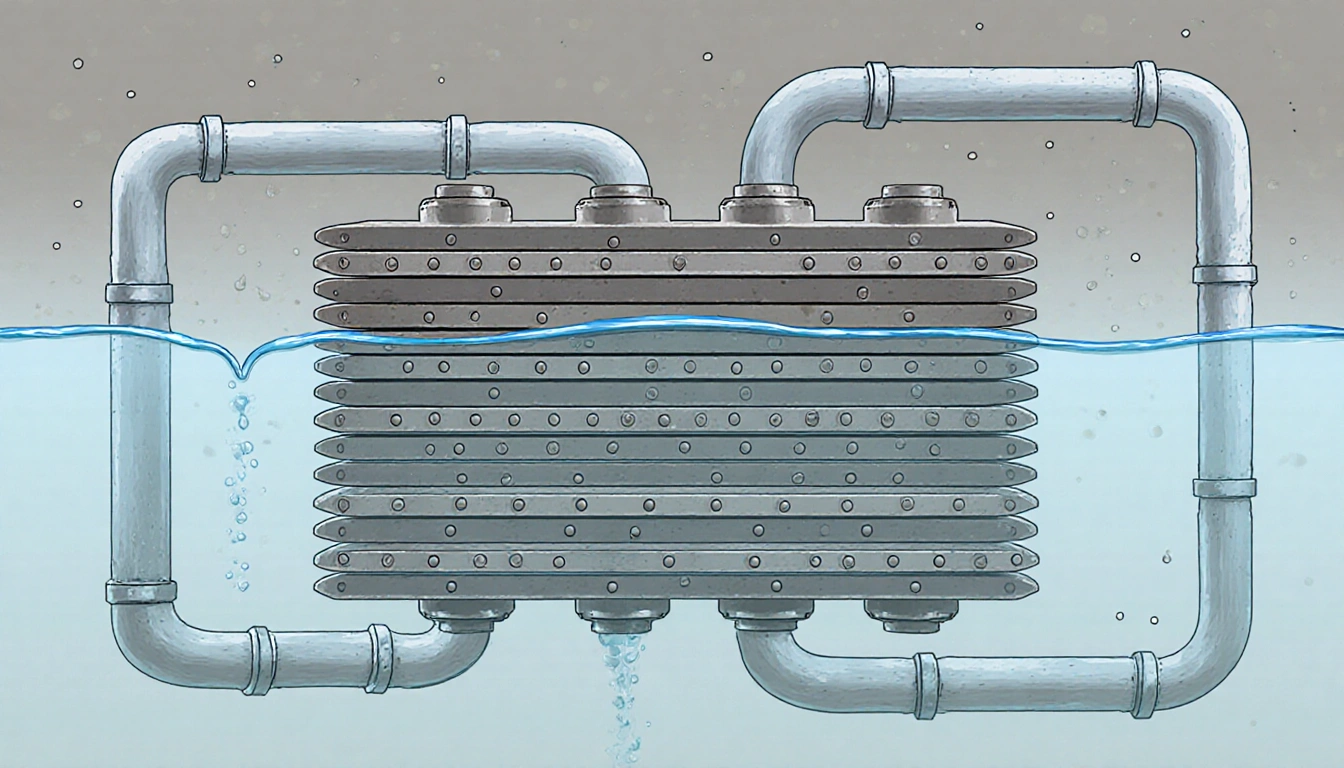
Water from toilets, showers and sinks travels down the existing sewer lines and enters a tank that is part of the heat-recovery system. Heavy solids are removed, and the remaining fluid passes through a sealed heat exchanger-a stack of metal plates that transfers heat without mixing the liquids. The heat is transferred to a clean-water loop, which is then fed to a heat pump. The pump can heat or cool rooms depending on the weather and can also heat potable water.
Energy Savings and Efficiency
The heat from the sewage replaces the need for energy from other sources to heat and cool buildings, such as electricity from the grid. Electricity is only required to run the heat exchanger and the pumps that move the water, making the system far more energy-efficient than traditional boilers and chillers. Because the system uses existing city pipes, construction costs are reduced compared to many renewable-energy projects.
Expert Perspective
“Wastewater is the last frontier of sustainable energy,” said Aaron Miller, eastern regional manager for SHARC Energy. He added, “Even in this current environment where environmental stuff doesn’t really sell, there’s a financial benefit that we can sell to business owners.”
Local Leadership
The complex’s CEO, Brad Buchanan, noted that the site’s proximity to major sewer lines in a low-lying industrial zone made it uniquely positioned for this technology. He said, “Every city on the planet has a place just like this. This is actually a value, a benefit that the bottoms have that the rest of the city doesn’t have.”
Other Examples of Sewage-Powered Heating
In Vancouver, Canada, a wastewater heat-recovery system supplies heat and hot water to 47 buildings served by the False Creek Neighbourhood Energy Utility. In 2025, 60 % of the utility’s energy came from sewage heat recovery, said Mark Schwark, director of water and utilities management at the City of Vancouver.
Epic Cleantec, a company that makes water-reuse systems for office and apartment buildings, is expanding into heat recovery. The firm recently installed a system in a high-rise building in San Francisco. Co-founder and CEO Aaron Tartakovsky said, “People have been conditioned to think that wastewater is dirty and should always be discarded, but my company recently launched two beers in collaboration with a brewer made from recycled shower and laundry water to illustrate novel ways to reuse it.”
Future Outlook
Aaron Brown, associate professor of systems engineering at Colorado State University, believes the use of wastewater heat-recovery systems will grow because it is efficient, low-carbon and relatively easy to install. He explained that, unlike solar or wind power, thermal energy from sewage can be available whenever it’s needed. “I think that to decarbonize, we have to think of some innovative solutions. And this is one that is not that complicated as far as the engineering technology, but it’s very effective,” Brown said.
Key Takeaways
- The National Western Center uses sewage heat to power classrooms, an equestrian center and a veterinary hospital, showing a practical application of wastewater-based energy.
- Existing sewer infrastructure can be repurposed for heat recovery, reducing construction costs and providing a stable energy source.
- Similar systems are already in use in places like Vancouver and are being adopted by companies such as Epic Cleantec, indicating growing interest in this technology.
The Denver project demonstrates how a local infrastructure challenge can be transformed into a sustainable heating solution, offering a model that other cities might emulate to reduce reliance on polluting energy sources.
Closing
As the world seeks more reliable and low-carbon heating options, wastewater heat recovery offers a proven, low-impact alternative that leverages infrastructure already in place. The Denver example illustrates that with the right design and investment, cities can turn a nuisance into a valuable resource.
Peterson reported from Denver and O’Malley from Philadelphia.
The Associated Press’ climate and environmental coverage receives financial support from multiple private foundations. AP is solely responsible for all content. Find AP’s standards for working with philanthropies, a list of supporters and funded coverage areas at AP.org.