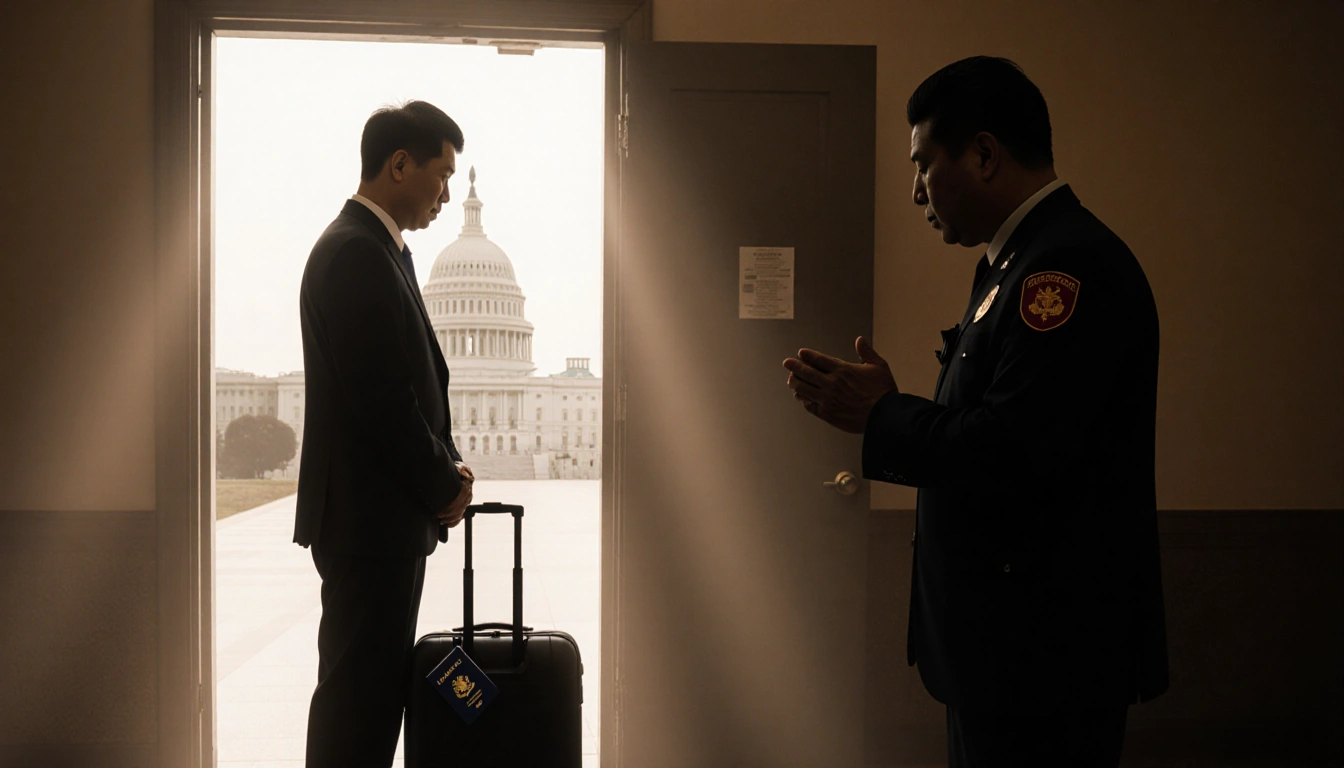
A U.S. government decision to halt the deportation of a Chinese activist has sparked renewed attention to a case that links human-rights footage from Xinjiang to congressional advocacy.
DHS Decision
The Department of Homeland Security announced Monday that it would no longer pursue the removal of Guan Heng, a 38-year-old Chinese national who entered the United States illegally.
Legal Team and Detention
Rayhan Asat, a human-rights lawyer who helped the case, said Guan’s lawyer received a letter from DHS stating its decision to withdraw its request to send Guan to Uganda.
Asat added that she now expects Guan’s asylum case to “proceed smoothly and favorably.”
“We’re really happy,” Zhou said.
The Department of Homeland Security did not immediately respond to a request for comment.
ICE’s database lists Guan, 38, as a detainee.
His legal team is working to secure his release from an ICE detention facility in New York on bond, both Zhou and Asat said.
Background of the Case
Guan in 2020 secretly filmed detention facilities in Xinjiang, which activists say have been used to lock up as many as 1 million members of ethnic minorities in the region, especially the Uyghurs.
Beijing has denied allegations of rights abuses and says it has run vocational training programs to help local residents learn employable skills while rooting out radical thoughts.
Knowing he could not release the video footage while in China, Guan left the mainland in 2021 for Hong Kong and then flew to Ecuador, which at the time did not require visas for Chinese nationals.
He then traveled to the Bahamas, where he bought a small inflatable boat and an outboard motor before setting off for Florida, according to the nongovernmental organization Human Rights in China.
After nearly 23 hours at sea, Guan reached the coastline of Florida, according to the group, and his video footage of the detention facilities was released on YouTube, providing further evidence of rights abuse in Xinjiang, the rights group said.
But Guan was soon doxxed, and his family back in China was summoned by state security authorities, the group said.
Guan sought asylum and moved to a small town outside Albany, New York, where he tried to live a quieter life, the group said, until he was detained by ICE agents in August.
Journey to the U.S.
Public support for Guan, including in Congress, has swelled in recent weeks after Zhou’s group publicized his case.
Before Guan appeared in court earlier this month, U.S. lawmakers called for providing him with a safe haven.
“Guan Heng put himself at risk to document concentration camps in Xinjiang, part of the CCP’s genocide against Uyghurs,” the Tom Lantos Human Rights Commission said. “Now in the United States, he faces deportation to China, where he would likely be persecuted. He should be given every opportunity to stay in a place of refuge.”
Rep. Raja Krishnamoorthi of Illinois, the top Democrat on the House Select Committee on the Chinese Communist Party, wrote to Homeland Security Secretary Kristi Noem, urging her to release Guan and approve his asylum request.
The U.S. “has a moral responsibility to stand up for victims of human rights abuses in Xinjiang, as well as the brave individuals who take immense personal risks to expose these abuses to the world,” Krishnamoorthi wrote.
Video Evidence and Public Response
Key Takeaway 1: DHS has withdrawn its deportation request after concerns about potential persecution in China.
Key Takeaway 2: Guan’s video evidence of Xinjiang detention facilities has galvanized international human-rights advocacy and congressional support.
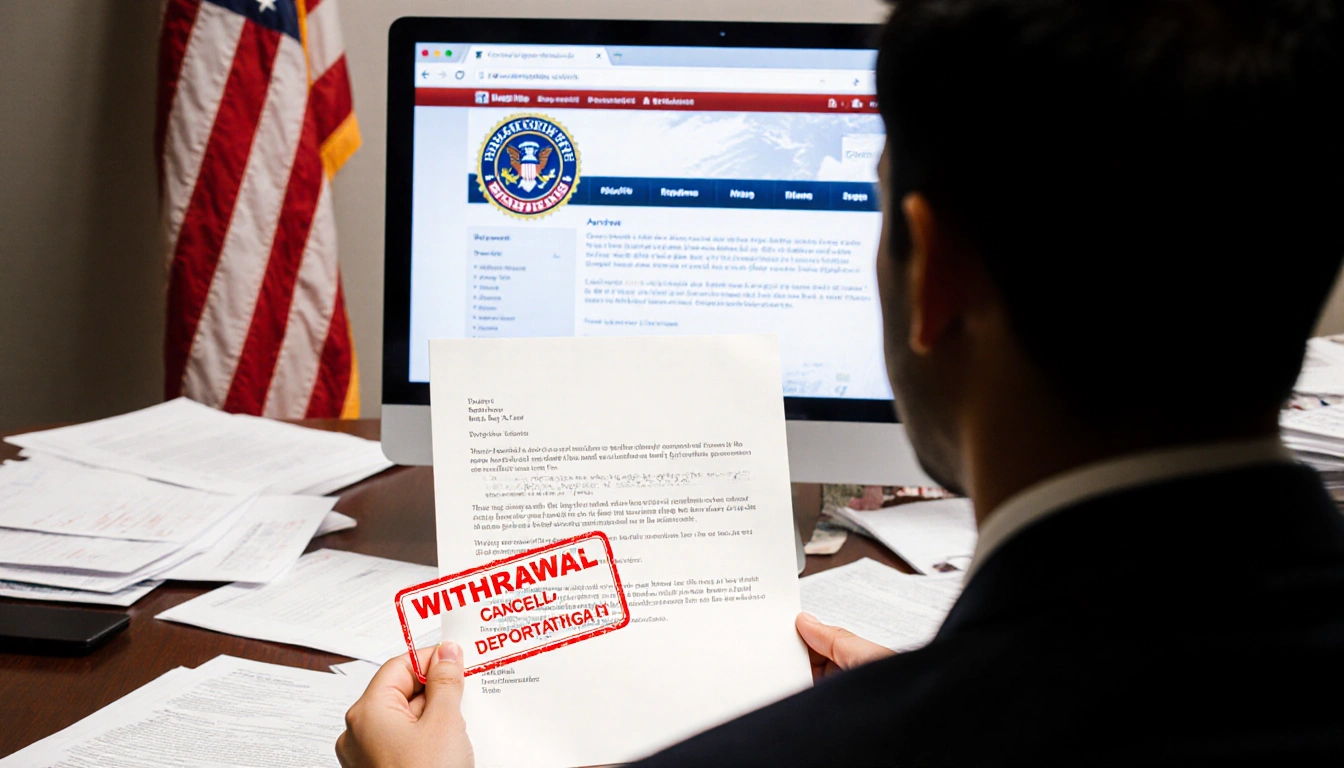
Key Takeaway 3: The case illustrates the complex intersection of immigration law, human-rights documentation, and U.S. foreign policy.
Conclusion
The decision to halt deportation marks a significant shift in the U.S. approach to a case that has drawn attention from activists, lawmakers, and the public alike.
Guan Heng’s journey-from clandestine filming in Xinjiang to a U.S. asylum fight-underscores the risks faced by those who expose human-rights violations and the ongoing debate over how the United States handles such individuals.