The U.S. Department of Homeland Security announced Tuesday a sweeping overhaul of the H-1B visa lottery, replacing random selection with a weighted system that favors higher-paid, higher-skilled workers.
New Selection Process
Under the new rules, the Department will use a weighted algorithm to increase the probability that visas go to foreign workers with advanced skills and higher salaries. The change follows a series of Trump-era reforms that critics argue have made the program a conduit for low-wage labor.
“The existing random selection process of H-1B registrations was exploited and abused by U.S. employers who were primarily seeking to import foreign workers at lower wages than they would pay American workers,” said U.S. Citizenship and Immigration Services spokesman Matthew Tragesser.
The press release describing the new rule notes that the change aligns with other key adjustments the administration has made, including the Presidential Proclamation that requires employers to pay an additional $100,000 per visa as a condition of eligibility.
Background of Trump Administration Actions
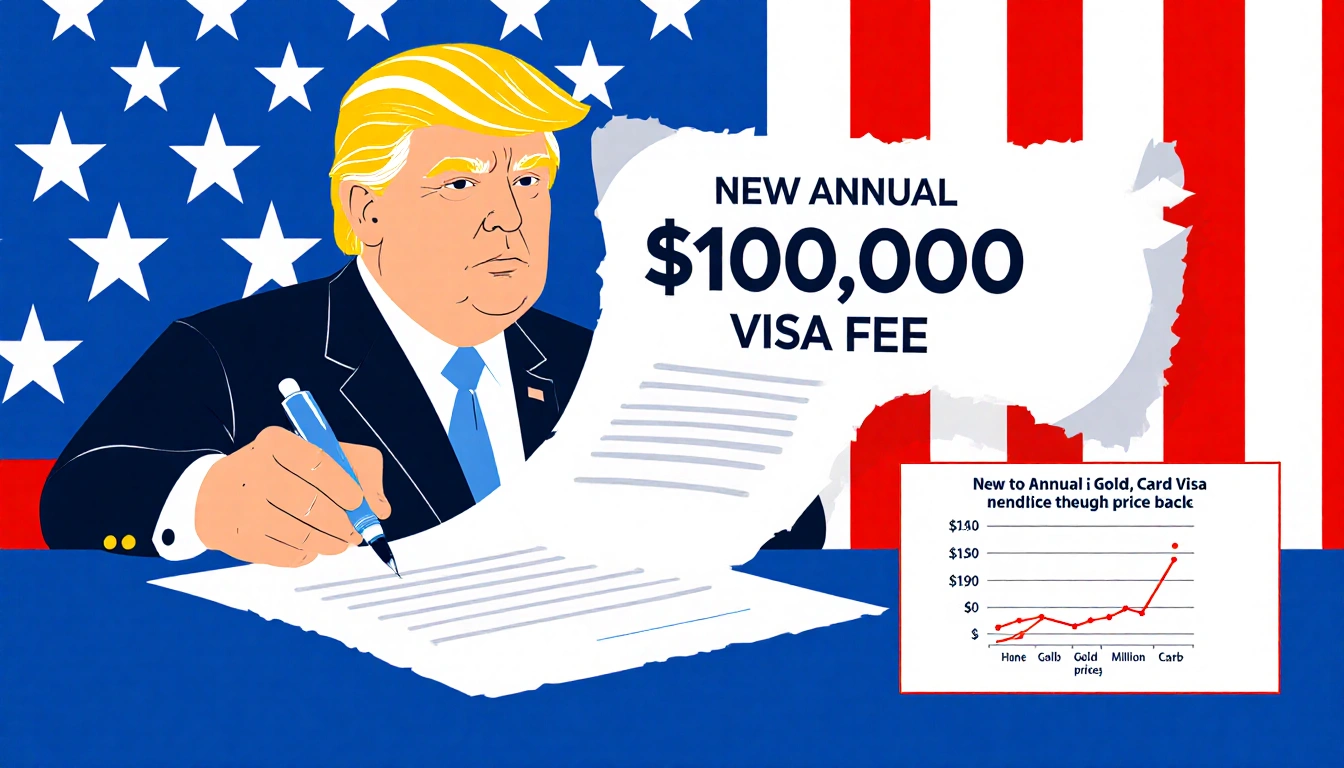
Earlier this year, President Donald Trump signed a proclamation imposing a $100,000 annual H-1B visa fee on highly skilled workers, a measure that is currently being challenged in court. The president also introduced a $1 million “gold card” visa, intended to provide a pathway to U.S. citizenship for wealthy individuals.
These moves were part of a broader effort to reshape the H-1B program, which critics say has become a pipeline for overseas workers willing to accept lower pay. Supporters argue the changes drive innovation and help U.S. companies fill specialized roles.
Industry Impact and Reactions
Historically, H-1B visas have been awarded through a lottery system. In the most recent cycle, Amazon received more than 10,000 visas, followed by Tata Consultancy Services, Microsoft, Apple, and Google. California remains the state with the highest concentration of H-1B workers.
Supporters of the H-1B program say it is an important pathway to hiring healthcare workers and educators, and that it fuels innovation and economic growth in the United States. Critics, however, contend that the visas often go to entry-level positions rather than senior roles requiring specialized skills. They argue companies can pay lower wages by classifying jobs at the lowest skill levels, even when the workers hired have more experience.
The number of new visas issued annually is capped at 65,000, plus an additional 20,000 for people with a master’s degree or higher.
Implementation Timeline
The new weighted selection system will take effect on February 27, 2026, and will apply to the upcoming H-1B cap registration season. The Department’s announcement was made in a press release that also highlighted the alignment with the $100,000 per-visa fee requirement.
Key Takeaways
- The H-1B lottery will be replaced by a weighted selection process favoring higher-paid, higher-skilled workers.
- The change follows Trump-era reforms, including a $100,000 annual visa fee and a $1 million gold card visa.
- Amazon led the most recent visa approvals with over 10,000 visas; California hosts the largest concentration of H-1B workers.
The Department’s move signals a significant shift in how the United States will manage its skilled-worker immigration program, aiming to prioritize talent and wages while responding to longstanding debates about the program’s impact on domestic labor markets.