
When the identity of the Brown University and MIT shooter was revealed, officials traced his arrival to the U.S. via the diversity visa lottery-a program that grants up to 50,000 green cards each year to citizens of under-represented countries.
How the Diversity Visa Lottery Works
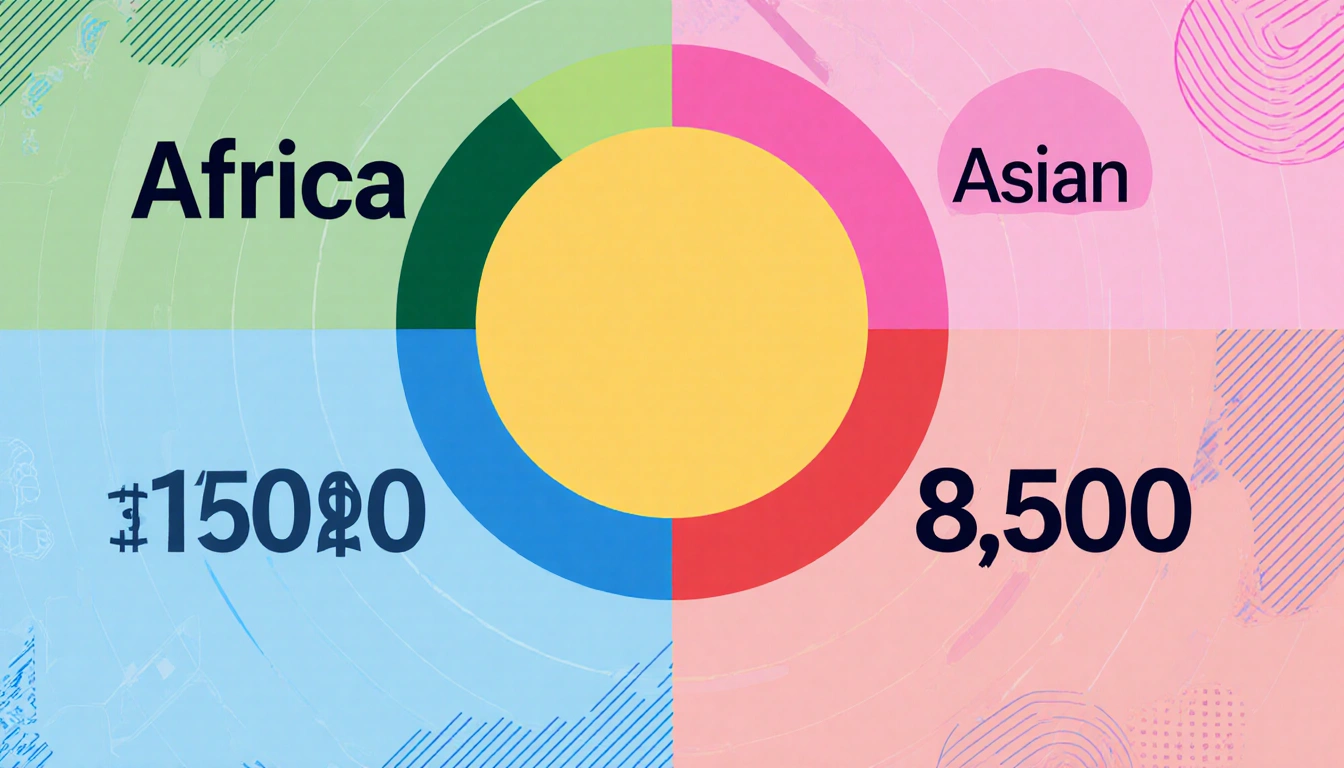
The diversity visa program, created by Congress in 1990, offers a chance for people from countries that were underrepresented in recent U.S. immigration data to obtain permanent residency. Each year, the federal government sets aside slots based on the last five years of arrivals: this year, 35,000 were allocated to Africans, 15,000 to Asians, and 8,500 to Europeans. Applicants still must undergo a rigorous vetting process, and winning the lottery does not guarantee entry.
The Recent Pause and Political Context
On Thursday night, after the suspect’s identity became clear, Homeland Security Secretary Kristi Noem announced on X that the diversity visa program was being paused. She said the alleged shooter “should have never been able to come to the U.S.” The pause is part of a broader trend by the Trump administration to restrict legal immigration following violent incidents.
Voices from Inside the Immigration System
Joseph Edlow, head of U.S. Citizenship and Immigration Services, had already expressed a desire to end the diversity lottery. In September, he said he wanted to see the program “gone.” In a later interview with the Associated Press, Edlow explained that he supports a merit-based immigration system that benefits the U.S. economy and that the diversity lottery does not fit that model. He added, “I’ve never really seen at this point the efficacy and the utility to continue the diversity visa. But Congress has to determine what makes sense for them moving forward.”
Criticism and Counterarguments
Secretary of State Marco Rubio clarified the intent behind the suspension. “The reason why you suspend this program is not because you argue everybody who came in under that visa is a bad person and is going to shoot a place up,” Rubio said. “It’s because you want to determine whether there’s something in the vetting of that program that’s insufficient.” He did not address the Brown shooting suspect specifically.
Collective Punishment Concerns
Critics argue that restricting legal immigration based on isolated violent acts constitutes collective punishment. Myal Greene, head of World Relief, said, “This is the latest instance of the administration leveraging an isolated evil action to advance its goal of dramatically reducing legal immigration.” The diversity visa program has long been on the administration’s radar, and the pause follows a pattern of restrictions after security events.
Historical Pattern of Restrictions
After the shooting of two National Guard troops in Washington, D.C. by an Afghan suspect, the Trump administration suspended all asylum decisions and immigration requests for Afghan nationals. The agency also tightened restrictions on people from 19 high-risk countries, making it harder to apply for green cards or extend stays. In June, a travel ban was announced that tied the restriction to an attack in Boulder, Colorado. The suspect in that attack was from Egypt, which was not on the ban’s list. Earlier this week, the ban expanded to 20 additional countries, and the refugee program that once admitted tens of thousands of people a year has been largely dismantled.
The Diversity Visa’s Role in Broadening Access
The diversity visa program is designed to broaden the countries that receive green cards. It operates as a lottery, and the State Department reported that last year nearly 21 million people applied during the 37-day application period. About 130,000 were chosen, a figure that includes the main applicant and their family members. Even winners must still apply and pass government vetting.
The Debate Over Vetting Effectiveness
The Trump administration repeatedly cites difficulties in vetting diversity visa recipients as a reason for restrictions. Critics counter that immigrants undergo rigorous screening before entry, and that limiting legal immigration in response to isolated incidents is a form of collective punishment.
Key Takeaways
- The diversity visa program, which offers up to 50,000 green cards yearly, was paused after the Brown University shooter’s identity emerged.
- Secretary Kristi Noem announced the pause on X, citing the suspect’s alleged failure to be allowed into the U.S.
- USCIS head Joseph Edlow has long advocated for ending the diversity lottery, favoring a merit-based system.
- Secretary Marco Rubio said the suspension aims to review vetting, not punish all diversity visa holders.
- Critics, including World Relief’s Myal Greene, view the pause as collective punishment linked to isolated violent acts.
- The pause follows a history of restrictions after security incidents, including asylum suspensions and travel bans.
Closing
The decision to suspend the diversity visa program reflects a broader strategy by the Trump administration to tighten legal immigration in the wake of violent events. While the pause addresses concerns about vetting, it also raises questions about the balance between security and the program’s original goal of diversifying the U.S. immigrant population.