At a Glance
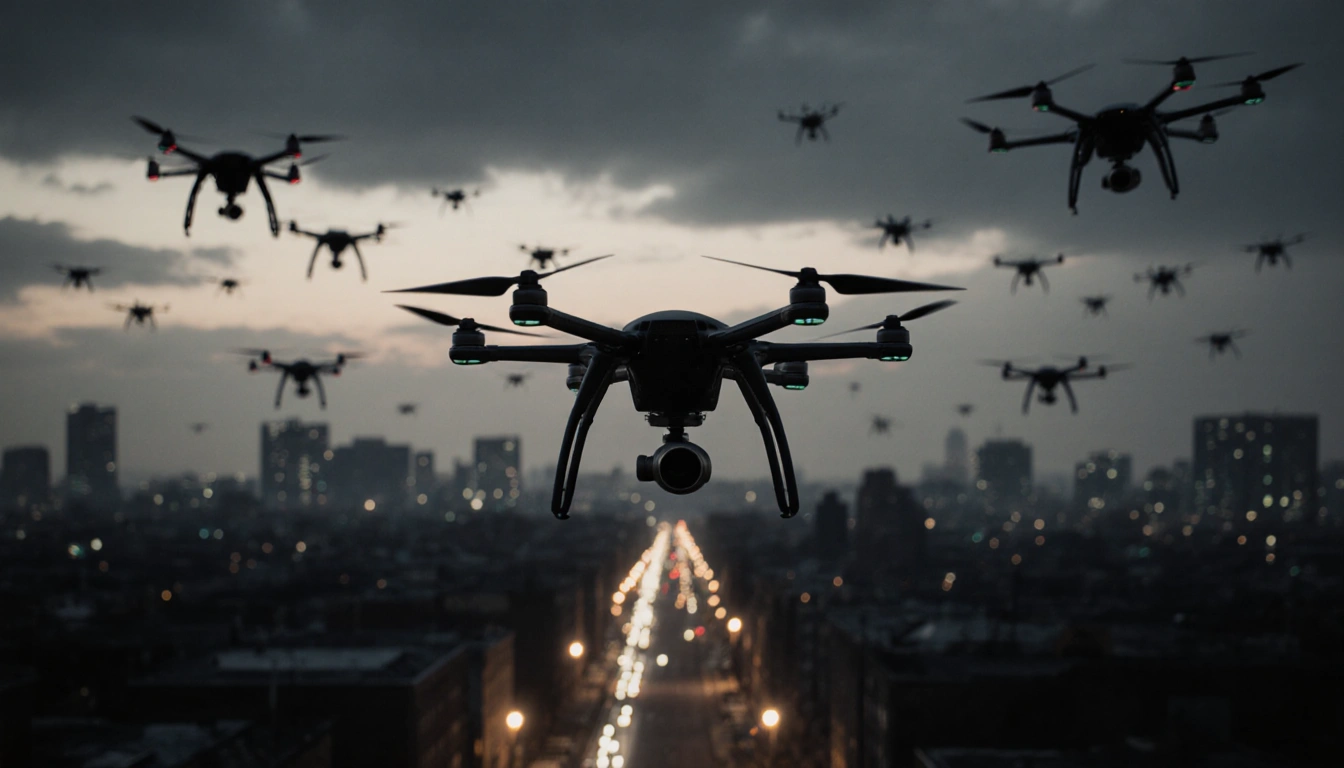
- Drone swarms will be the next terror threat in 2026
- U.S. military’s drone defense lags behind Ukraine and Israel
- DoD’s tactical UAS budget is only $350M, far below production rates
Why it matters: U.S. civilians and military could face a drone attack that current defenses cannot stop.
The rise of low-cost drones has turned them into a powerful weapon. In 2026, a swarm of drones spinning at 5,000 rpm could strike a target before anyone notices. This new threat follows past terror attacks like 9/11 and the Oklahoma City bombing, but uses technology that can be launched from thousands of miles away.
Drone Warfare: A New Era of Terror
Low-cost, commercial drones powered by open software and AI have become the most effective weapons in modern conflicts. In June 2025, Ukrainian forces used drones to destroy 10 percent of Russian bombers on the tarmac during Operation Spider Web.
The same month, Israel launched covert drone attacks from within Iran against military and nuclear sites. In April, Houthi rebels used drones and cruise missiles to attack the USS Harry Truman, a Nimitz-class aircraft carrier, in the Red Sea. The carrier swerved so hard that it dropped a $56 million F-18 off its deck.
- Ukraine: 200,000 FPV drones per month, expanding to 4,500,000 per year
- Israel: clandestine drone strikes from Iranian territory
- Houthi rebels: combined drone and missile attack on a U.S. carrier
The U.S. Defense Gap
The Pentagon‘s first commercial drone unit, Rogue Squadron, was created by the Defense Innovation Unit in 2017 with support from then-Secretary of Defense James Mattis. The unit tested drones in parking lots and launched the Blue UAS program, the first mass adoption effort for commercial drones in the U.S. military.
Today, no U.S. military installation can reliably repel a complex drone attack like Ukraine’s assault on Russian nuclear bombers, and civilian infrastructure is even less protected. The DoD budget for tactical UAS is only $350M, which would field about 4,000 systems, putting the average cost per system near $100,000. In contrast, Ukrainian factories produce thousands of FPV drones per day at a few hundred dollars each.
| Category | 2025 Budget / Production | Comment |
|---|---|---|
| DoD UAS | $350M → ~4,000 systems | Avg. cost $100,000 per system |
| Ukrainian FPV | 200,000/month → 4,500,000/year | Cost a few hundred dollars each |
Accelerating Defense Initiatives
The Replicator initiative, begun in 2023, is now fielding autonomous systems and integrating them into battle plans for Europe and the Pacific, and in July 2025, Secretary of Defense Pete Hegseth directed the department to speed tactical UAV production. Congress increased the Defense Innovation Unit’s budget to nearly $2 billion. The Army is also seeking to equip each combat division with 1,000 drones and is pouring resources into drone defense.
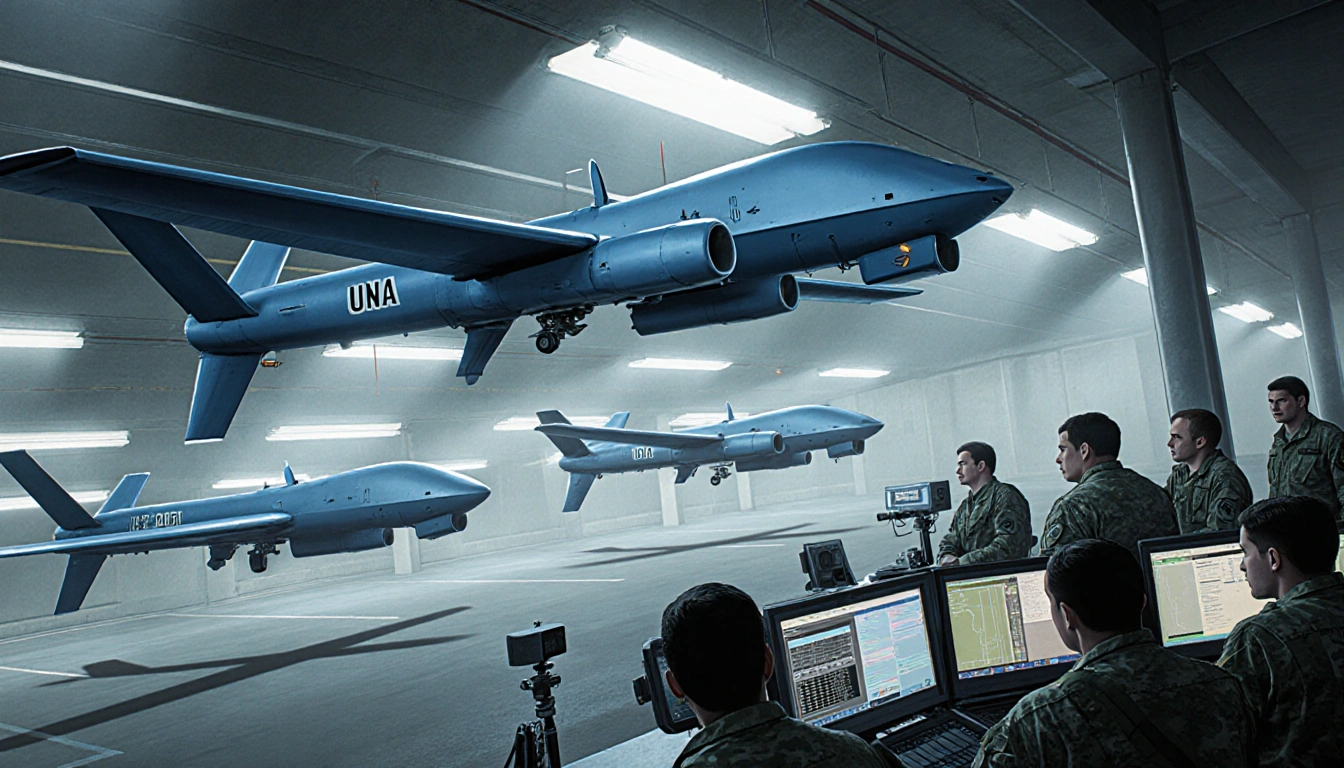
Most PopularCommanders badly want autonomous weapons now. Pacific Commander Admiral Paparo (told News Of Austin) stated:
> “I want to turn the Taiwan Strait into an unmanned hellscape,”
- Pentagon shifting focus from large, expensive systems to nimble, venture-backed startups
- Defense Innovation Unit’s budget now $2 billion
- Army targeting 1,000 drones per division
The Window of Vulnerability
The pivot toward drones has opened a gaping vulnerability that could remain unaddressed for a year or more while security agencies rush to deploy robust defenses. Heightened domestic political tensions and geopolitical conflicts abroad will give motivated actors the opportunity to act. We will be lucky if a foreign adversary or domestic terrorist does not exploit this window.
Key Takeaways
- Drone swarms will be the next terror threat in 2026
- U.S. defense budget for tactical UAS is only $350M, far below production rates elsewhere
- Initiatives like Replicator and increased funding are underway, but a vulnerability window remains
The growing threat of low-cost drones underscores the urgent need for the U.S. to close its defense gap before a future attack turns the nation’s skies into a battlefield.