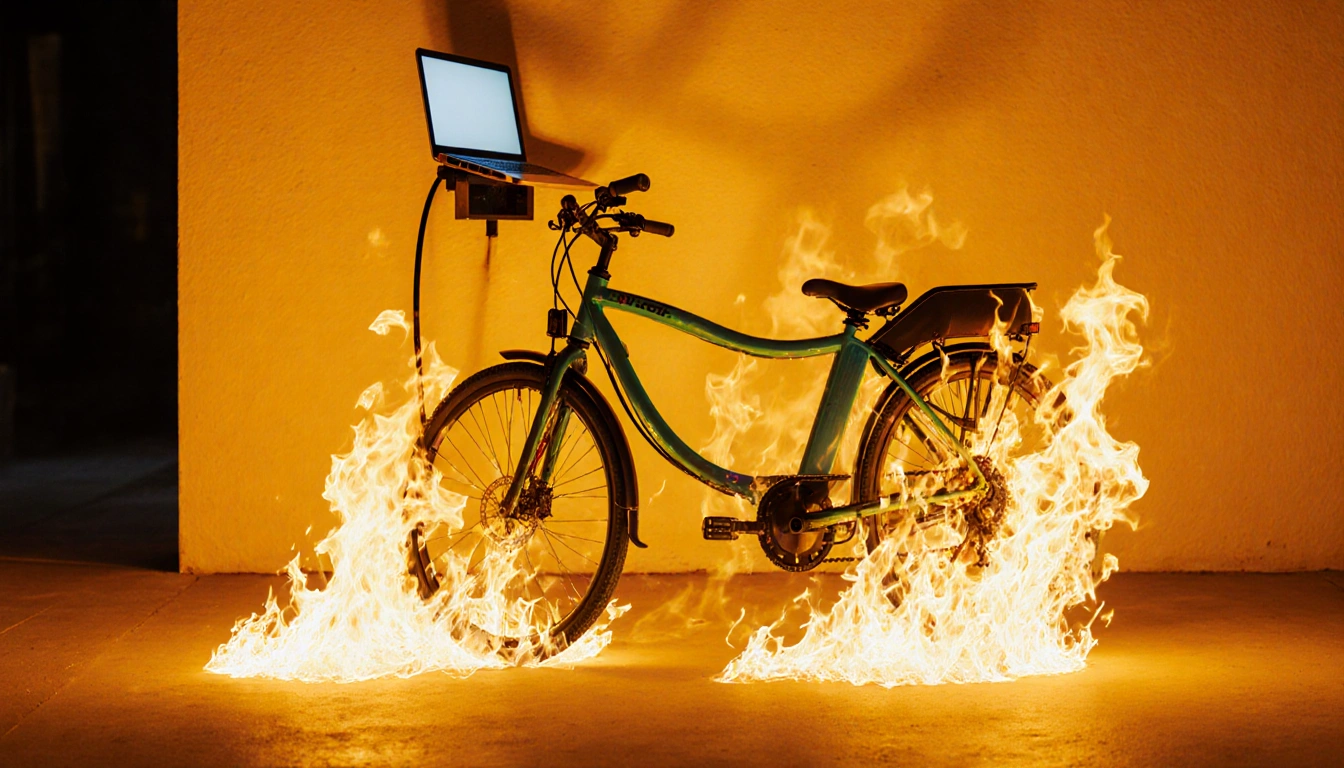
Last week, a fire erupted in an east Austin apartment when an electric bike was charging, according to the Austin Fire Department.
Fire Incident
The blaze began while the rider was charging the bike’s lithium-ion battery. The fire quickly spread, prompting emergency responders to evacuate the building. The incident serves as a stark reminder of the risks associated with lithium-ion power cells.
Safety Tips from AFD Captain Sean Cummings
AFD Captain Sean Cummings shared several safety recommendations.
Before Purchasing
“Before someone purchases a product that uses a lithium-ion battery, they should make sure the product has been tested and has a safety certification mark from UL, ETL, or CSA, which are third-party laboratories that test for minimum safety standards,” Cummings said. These marks can usually be found on the battery itself or on the product’s packaging.
After Ownership
Once a product containing a lithium-ion battery is in your possession, regular safety checks are essential. Cummings highlighted the need to look for cracks, bulges, misshapen areas, strange odors, and signs of overheating.
Charging Practices
Cummings cautioned against charging lithium-ion battery-powered devices overnight, noting that this is often when batteries can overheat and catch fire. He also advised that devices be plugged straight into an outlet rather than an extension cord. “Charge them away from windows, doors, and hallways, because if they do catch fire, there needs to be a way to escape the building,” he added.
Proper Disposal
When it’s time to dispose of lithium-ion batteries, the NFPA recommends not placing them in the trash or regular recycling bins. Instead, batteries should be recycled at a safe battery recycling location. The call2recycle.org website provides information on where to recycle.
Key Takeaways
- Fire started while an electric bike was charging in an east Austin apartment.
- Captain Sean Cummings urges checking for UL, ETL, or CSA safety marks before buying lithium-ion products.
- Regular inspections for damage, odors, and overheating are critical after ownership.
- Avoid overnight charging, use direct outlets, and keep devices away from escape routes.
- Dispose of batteries at certified recycling centers, not in trash or standard recycling.
The incident underscores the importance of proper handling and disposal of lithium-ion batteries to prevent future fires in residential settings.