In the heart of Texas, a local environmentalist is sounding the alarm about the ripple effects of a new border wall on the Rio Grande.
Border Buoy Study
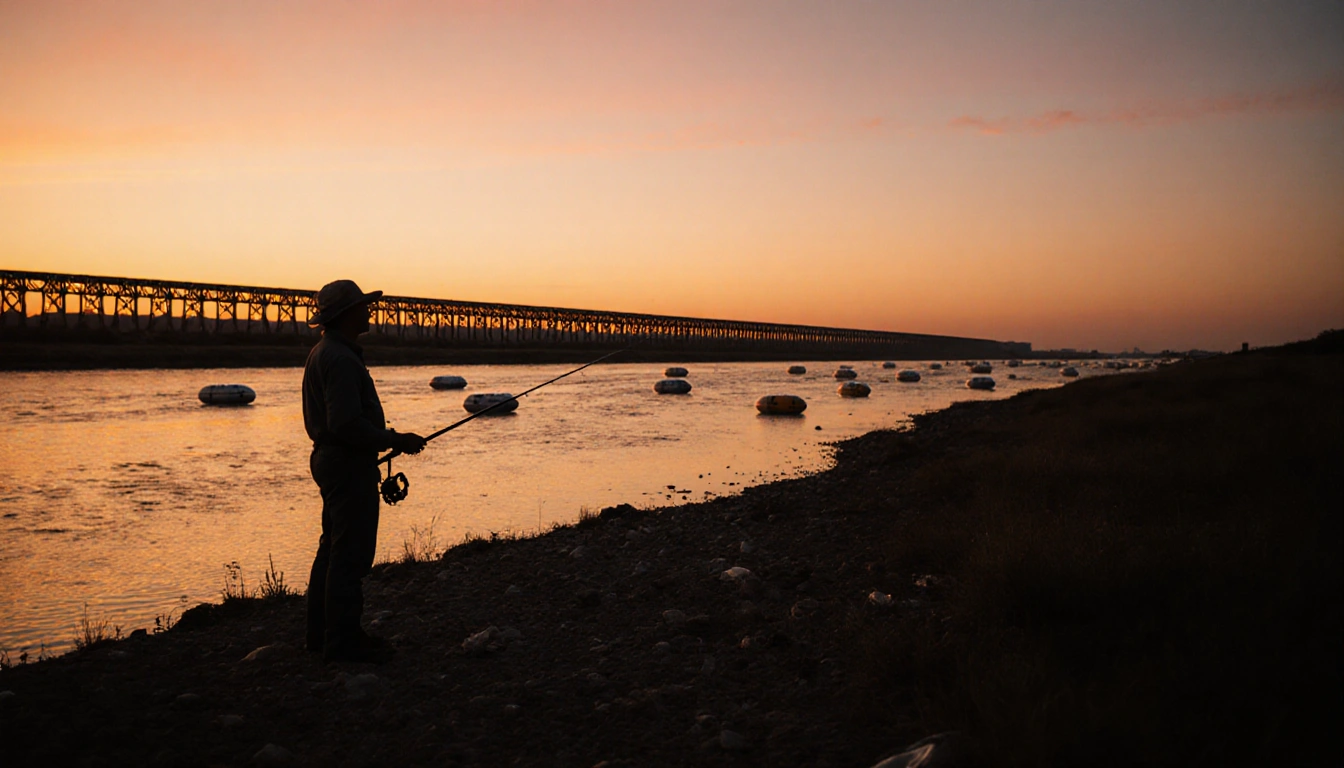
Elsa Hull, a member of the No Border Wall Coalition, owns land along the Rio Grande in San Ygnacio, Zapata County. Last week, Hull and her team collected sediment and water samples from a 1,000-foot string of border buoys installed by Texas’ Operation Lone Star in Eagle Pass. The buoys were put in place in 2023 as part of the state’s border security efforts.
Microplastics in the River
Because the buoys are made of plastic, the researchers are testing for microplastics in the river. They want to determine whether particles are breaking apart and traveling downstream. This data will help assess the environmental impact of the buoys on riverine ecosystems.
Federal Wall Plans
The federal government has announced plans for dozens of miles of new border wall and waterborne barrier along the South Texas border. The Department of Homeland Security calls the project the “Smart Wall” and says it is necessary for national security. New contracts announced Thursday include 56 miles of wall in Laredo and 66 miles of waterborne barrier in the Rio Grande.
Hull’s Land Rights
Hull has stated that she will not allow federal officials onto her property. Her land lies in the path where the new wall is slated to be built. She emphasizes her right to control access to her land and to protect its environmental integrity.
Environmental Concerns
The combination of physical barriers and plastic buoys raises concerns about wildlife habitats. The Rio Grande supports a diverse array of species that rely on unobstructed water flow. Any alteration to the river’s dynamics could disrupt these habitats.
Community Impact
Local residents in San Ygnacio and surrounding areas may experience changes in water quality and availability. The community depends on the river for agriculture, recreation, and cultural practices. Hull’s study highlights potential risks that could affect daily life.
Political Context
The debate over border security and environmental protection is increasingly polarized. The “Smart Wall” initiative represents a federal effort to enhance border surveillance. Meanwhile, environmental groups argue that such projects can have unintended ecological consequences.
Research Findings
Preliminary results from the sediment samples show elevated levels of microplastics in the vicinity of the buoys. The data suggest that plastic fragments are present in the river’s water column. Further analysis will determine the extent of contamination.
Legal and Regulatory Framework
The construction of border walls and barriers must comply with federal and state environmental regulations. Environmental impact assessments are required before large-scale projects proceed. Hull’s objections may prompt additional scrutiny of the wall’s environmental compliance.
Stakeholder Perspectives
Members of the No Border Wall Coalition support Hull’s stance against federal encroachment on private land. They argue that border security measures should not compromise environmental stewardship. The federal government maintains that the wall is essential for national security.
Potential Mitigation Measures
Researchers recommend monitoring microplastic levels over time to gauge the long-term effects of the buoys. They also suggest exploring alternative materials that are less likely to degrade. Additionally, establishing buffer zones could protect sensitive wildlife habitats.
Economic Considerations
The construction of the wall and barriers involves significant public investment. Local economies may benefit from jobs created during construction. However, environmental degradation could impose costs on fisheries, tourism, and agriculture.

Public Awareness
The Border Report Live episode featuring Hull brought the issue to a wider audience. Viewers were shown the buoys and the ongoing study. The discussion sparked conversations about the balance between security and conservation.
Future Monitoring
Hull plans to continue sampling sediment and water to track changes in microplastic concentrations. She hopes the data will inform policy decisions regarding border infrastructure. Long-term monitoring will be essential to assess cumulative impacts.
Community Engagement
Local stakeholders are encouraged to participate in discussions about the wall’s placement. Public hearings and community forums can provide a platform for diverse voices. Engaging residents may lead to more sustainable solutions.
International Implications
The Rio Grande is a transboundary waterway shared by the United States and Mexico. Changes to its flow and quality can affect cross-border relations. Environmental stewardship is a key component of the ongoing water dispute between the two nations.
Key Takeaways
- Elsa Hull leads a study on sediment and microplastics near Texas border buoys.
- The federal “Smart Wall” plan includes 56 miles of wall and 66 miles of waterborne barrier.
- Hull will not permit federal officials onto her land, citing property rights and environmental concerns.
The intersection of border security and environmental protection continues to provoke debate. Hull’s research underscores the need for careful consideration of ecological impacts before advancing large-scale infrastructure projects.