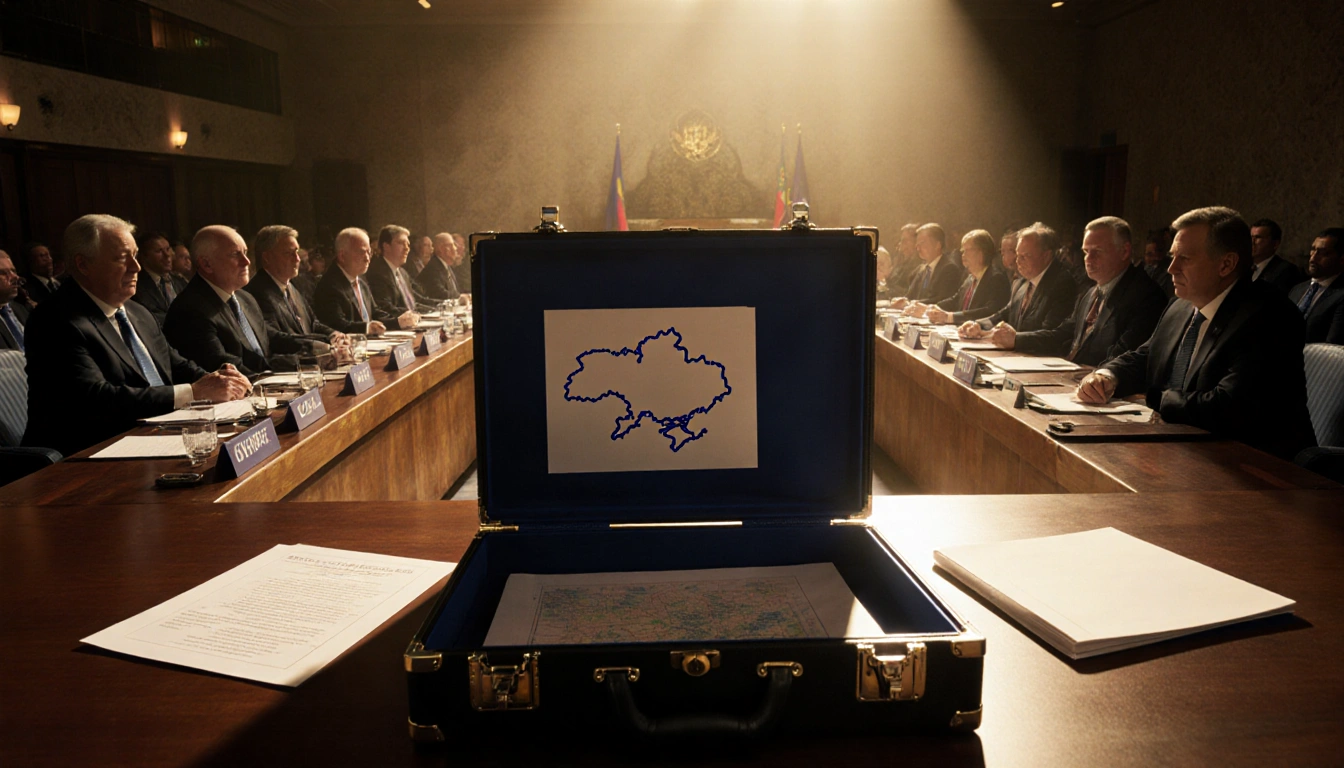
In a dramatic late-night summit, 27 European leaders agreed to give Ukraine a massive interest-free loan, but the plan to tap frozen Russian assets was abandoned in favor of borrowing $106 billion on capital markets.
The Loan Deal
European Commission President Ursula von der Leyen presented two options at the Thursday summit: use some of the 210 billion euros ($246 billion) of Russian assets frozen in Europe, or borrow from capital markets. The capital-market route, which required unanimity, was chosen after Belgium’s Prime Minister Bart de Wever refused to accept the reparations loan.
Under the agreed scheme, the EU will shoulder the debt for a zero-interest loan to Ukraine. The loan will be repaid only after Russia compensates Ukraine for the damage caused by its war, a condition stated by the EU leaders. The loan amount, $106 billion, is expected to cover Ukraine’s projected need of 137 billion euros ($161 billion) in 2026 and 2027, according to the International Monetary Fund.
Frozen Russian Assets: A Legal Roadblock
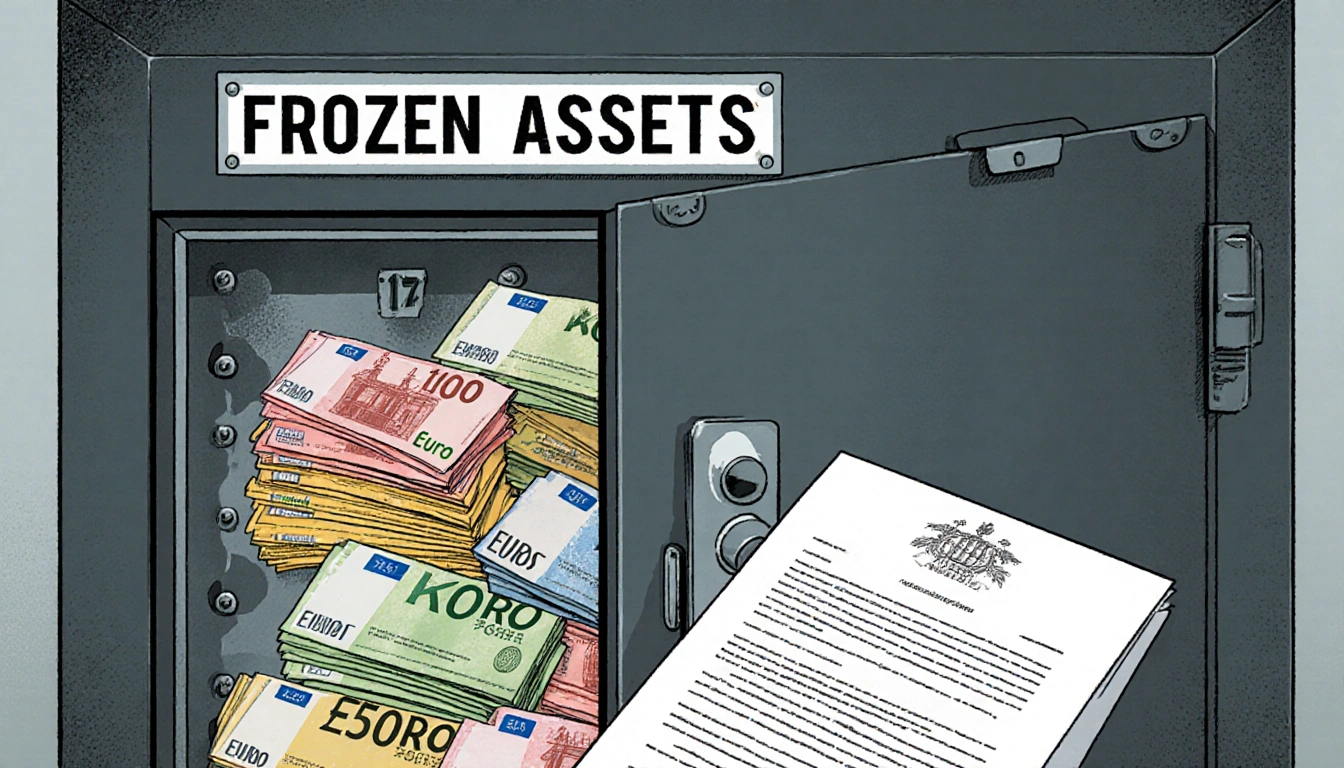
The frozen assets, mainly held at Euroclear in Brussels, total 193 billion euros ($226 billion). Belgium warned that using them could harm Euroclear’s business and risk legal challenges, citing a lawsuit filed by Russia’s Central Bank to prevent any loan from being secured with those assets. Despite this, the EU keeps the assets on the table, stating they will remain immobilized until Russia pays reparations.
“If Russia does not pay reparations we will – in full accordance with international law – make use of Russian immobilised assets for paying back the loan,” said German Chancellor Friedrich Merz.
Council President Charles Michel added, “the EU reserves its right to make use of the immobilised assets to repay this loan.”
Outliers and Protection Agreements
Not all member states accepted the loan package. Hungary, Slovakia and the Czech Republic declined to take on debt for Ukraine. In exchange, they were promised protection from any financial fallout. Hungarian Prime Minister Viktor Orbán posted on X, “We did not allow Europe to issue a declaration of war on Russia by using Russian assets and we succeeded in protecting Hungarian families from additional debt.” He estimated the cost to Hungarians would have been 1 000 billion HUF ($3 billion).
Czech Prime Minister Andrej Babiš distanced himself from Slovakia and Hungary’s stance, saying Prague could not afford additional debt.
EU’s Debt-Bearing History
The EU’s choice to shoulder debt mirrors its 2020 COVID-19 recovery fund, where it borrowed 750 billion euros to support member states. The current loan, financed through capital markets, follows the same model of large borrowing under a zero-interest umbrella.
Ukraine’s Use of the Funds
At a press conference in Warsaw, Ukrainian President Volodymyr Zelenskyy said the loan provides “financial certainty for the coming years” and will be spent on either reconstruction or arms, depending on the war’s trajectory. “If Russia drags out this war – and that is exactly the signal the entire world hears from Moscow, as they continue to threaten us – we will use these funds for defense, if the war continues,” he said. “If the world compels Russia to make peace, we will use these funds exclusively for the reconstruction of our country.”
Key Takeaways
- The EU will fund a $106 billion interest-free loan for Ukraine, borrowing on capital markets instead of using frozen Russian assets.
- Belgium’s refusal to accept the reparations loan forced the EU to seek unanimity for the capital-market option.
- Hungary, Slovakia and the Czech Republic will not take on debt but were granted protection from financial fallout.
- The loan will be repaid only after Russia pays reparations; otherwise, EU reserves the right to use the immobilised assets.
- Ukraine will deploy the funds for defense if the war continues, or for reconstruction if peace is achieved.
The agreement marks a significant financial commitment from the EU, reflecting both political solidarity with Ukraine and a cautious approach to the legal complexities surrounding frozen Russian assets.